Cómo usar "鱼凉了吃腥气" (yú liáng le chī xīng qì) en el diálogo chino
鱼凉了吃腥气
si el pescado está frío no tiene buen sabor.
Idioms & Colloquial Expressions
INTERACTIVE SCRIPT TIMELINE
LINE 0137:00
dà zhí ér dà diē
大侄儿 大爹
“Sobrino. Tío mayor,”
LINE 0237:03
PLAYING SCENEyú鱼
liáng凉
le了
chī吃
xīng腥
qì气
“si el pescado está frío no tiene buen sabor.”
LINE 0337:05
wǒ我
qù去
gěi给
nín您
rè热
yī一
xià下
“Voy a calentárselo.”
Show Information
More Clips From Episode
Total 151 clips (Page 8 of 8)
HSK 1
0:03s

HSK 7
0:03s
wǒ gāng gāng zài lóu xià shì piàn tā men liǎng kǒu zi deHace un momento, abajo, les mentí a esos dos.

HSK 1
0:03s
wǒ zhǎo zháo tài yé de shí hòu tā hú zǐ lā chā deCuando encontré al señor, tenía la barba descuidada,

HSK 6
0:03s
yī kàn jiù shì chī le dà kǔ zāo le dà zuì leSe nota que pasó mucho trabajo y sufrió mucho.

HSK 7
0:03s
suǒ yǐ tā yī huì er hú tú yī huì er qīng xǐngpor eso a veces está confundido y a veces lúcido.

HSK 6
0:03s

HSK 4
0:03s
bù néng ràng nà liǎ sūn zi zài xià qū leno podíamos dejar que esos desgraciados sigan arruinándolo todo.
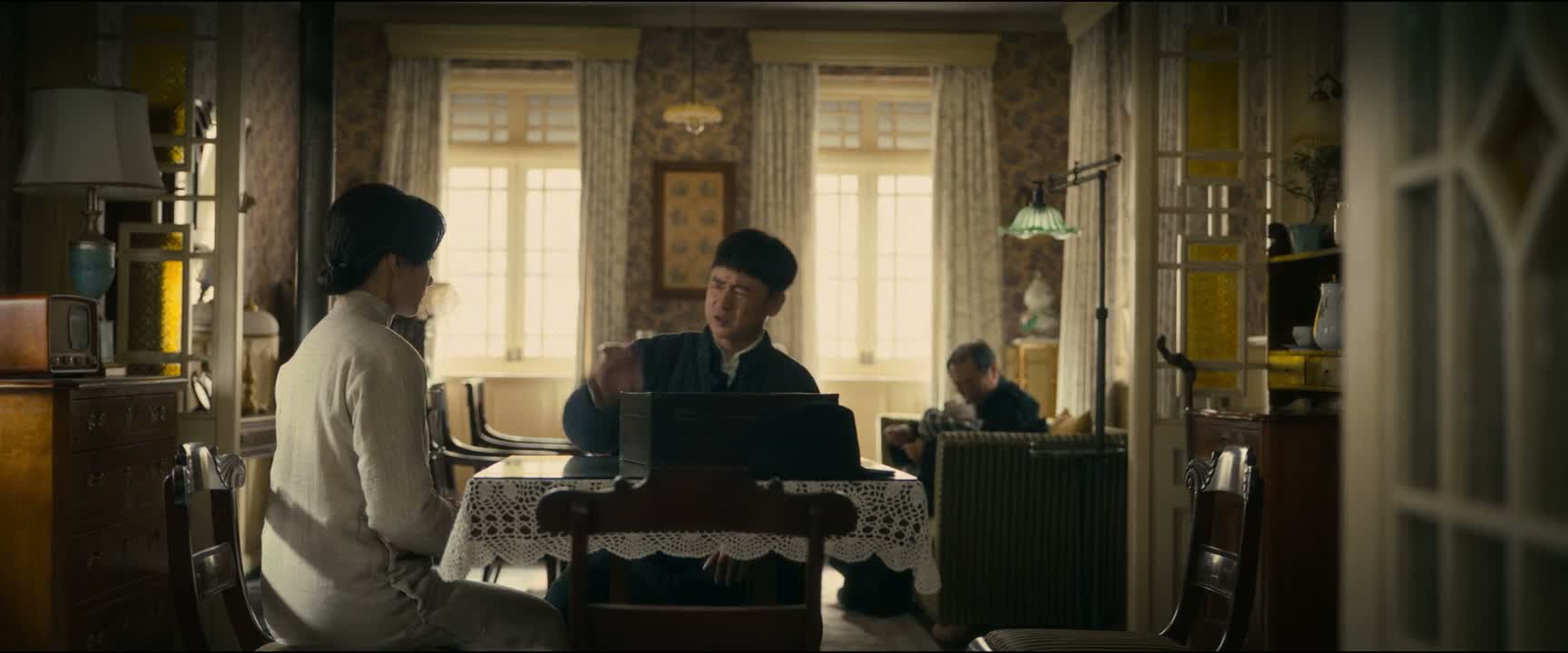
HSK 3
0:03s

HSK 6
0:03s
gǎn jǐn gěi nà liǎ sūn zi lì guī jǔhay que ponerles las reglas claras a esos dos desgraciados de una vez,

HSK 4
0:03s
bǎ fáng zū yào huí lái nà wǒ de qián bù jiù chū lái le may recupera el alquiler. Así también podrás devolverme ese dinero, ¿no?

HSK 2
0:03s
jiù nà shì zhè me huí shì shì zěn me huí shì aa qué se debe que él siempre diga 'Eso fue lo que pasó'?