Cómo usar "那是早晚的事 挺好的" (nà shì zǎo wǎn de shì tǐng hǎo de) en el diálogo chino
那是早晚的事 挺好的
nà shì zǎo wǎn de shì tǐng hǎo de
Tarde o temprano. Muy bien.
Show Information
Source Media
TV Series
Season & Episode
S1 E24
Clip Timestamp
11:48
TMDB ID
210757
Conversation Context
| Line | Chinese | Pinyin | Translation |
|---|---|---|---|
| 1 | 局长信任你 大伙拥护你 叫一声安队 | jú zhǎng xìn rèn nǐ dà huǒ yōng hù nǐ jiào yī shēng ān duì | El jefe confía en ti. Todos te apoyan. Llama al capitán An |
| 2▶ | 局长信任你 大伙拥护你 叫一声安队 | jú zhǎng xìn rèn nǐ dà huǒ yōng hù nǐ jiào yī shēng ān duì | El jefe confía en ti. Todos te apoyan. Llama al capitán An |
| 3 | 你是不是觉得 我跟你一样 一天到晚想着升官 | nǐ shì bú shì jué de wǒ gēn nǐ yī yàng yī tiān dào wǎn xiǎng zhe shēng guān | ¿Crees que soy como tú? pensando en ascender todo el día. |
More Clips From Episode
Total 127 clips (Page 5 of 7)
HSK 7
0:03s
xīn suàn nǐ shǒu wèi shén me yào huà nà ge dōng xī hěn cì ěr deCalculo en el corazón, ¿por qué raspas tu mano? Esa cosa es muy aguda.

HSK 3
0:03s
wǒ bù pà yǐng xiǎng nǐ ma nǐ xiàn zài yǐ jīng yǐng xiǎng wǒ le wǒ hěn lèi de¿No tengo miedo de afectarte? Ya me estás molestando. Estoy muy cansada.

HSK 3
0:03s
wǒ zǎo jiù kàn chū nǐ hěn lèi le wǒ zhè yàng nǐ xiān huí qù shuì jiàoSabía que estabas cansado. Yo... Vuelve a dormir.

HSK 5
0:03s
wǒ men dōu lún bān shuì le huì er jué jiù nǐ yī xiǔ dōu shǒu zàinos turnamos para dormir. Solo tú te quedaste toda la noche

HSK 7
0:03s
wǒ jiù kàn jiàn nǐ zài nà ér róu gē bó nǐ kěn dìng shì jiù shāng fù fāte vi frotando los brazos. Seguro que tienes una recaída.

HSK 4
0:03s
nǐ néng bù néng ān jìng yī huì er wǒ hǎo fán de¿Puedes callarte un rato? Estoy muy molesto.

HSK 5
0:03s
wǒ zài yě bù fán nǐ le nǐ néng hǎo hǎo jiǎng huà maNo te molestaré más. ¿Puedes hablar bien?


HSK 7
0:03s
tā yǒu xiān tiān de tīng lì zhàng ài tā tīng bù qīng chǔTiene un trastorno auditivo congénito. No escuchó bien.

HSK 3
0:03s
màn màn yě jiù shuō bù qīng chǔ le màn màn yě jiù bù ài shuō lePoco a poco no puede explicarlo claramente. Poco a poco no me gusta hablar.


HSK 6
0:03s
shuō dào zuò dào bù xián wǒ fán le dāng ránHaz lo que dices. ¿No te molesta? Por supuesto.

HSK 3
0:03s
nà zán hái shì jiǎng huí gāng cái de zhè ge chē ba hǎoEntonces hablemos el coche de antes. Bien.

HSK 6
0:03s
wǒ gāng cái jué de xīn zàng yǒu diǎn bù shū fú nǐ xiān qù bǎ chē kāi guò láiCreo que me duele el corazón. Ve a conducir.

HSK 7
0:03s
wǒ shì shuō zhè liàng chē yǒu diǎn kě yíQuiero decir que este coche es un poco sospechoso.


HSK 5
0:03s
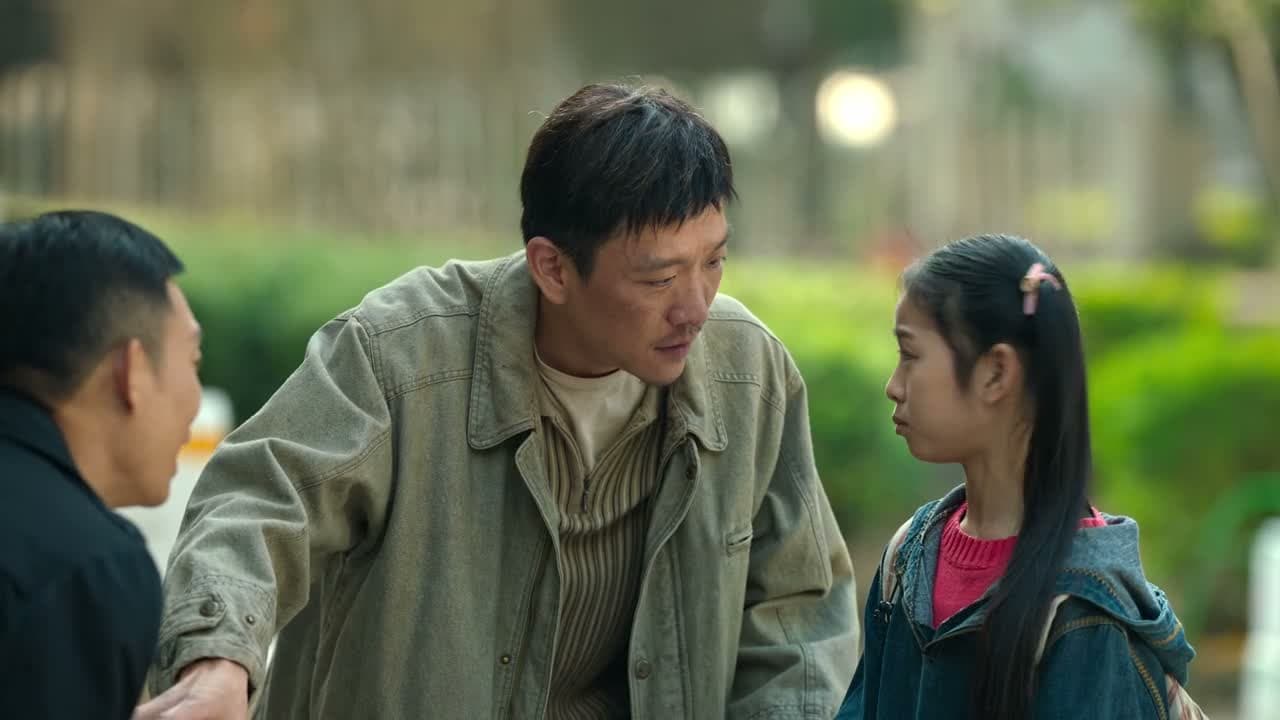
xiǎo péng yǒu zhè shuí jiā chē ya wǒ bà bà deNiña, ¿de quién es este coche? Es de mi padre.


HSK 5
0:03s
èr shǒu de bù zhí jǐ gè qián èr shǒu yě bù jiǎn dān nǎEs de segunda mano, no vale mucho. La segunda mano no es fácil.