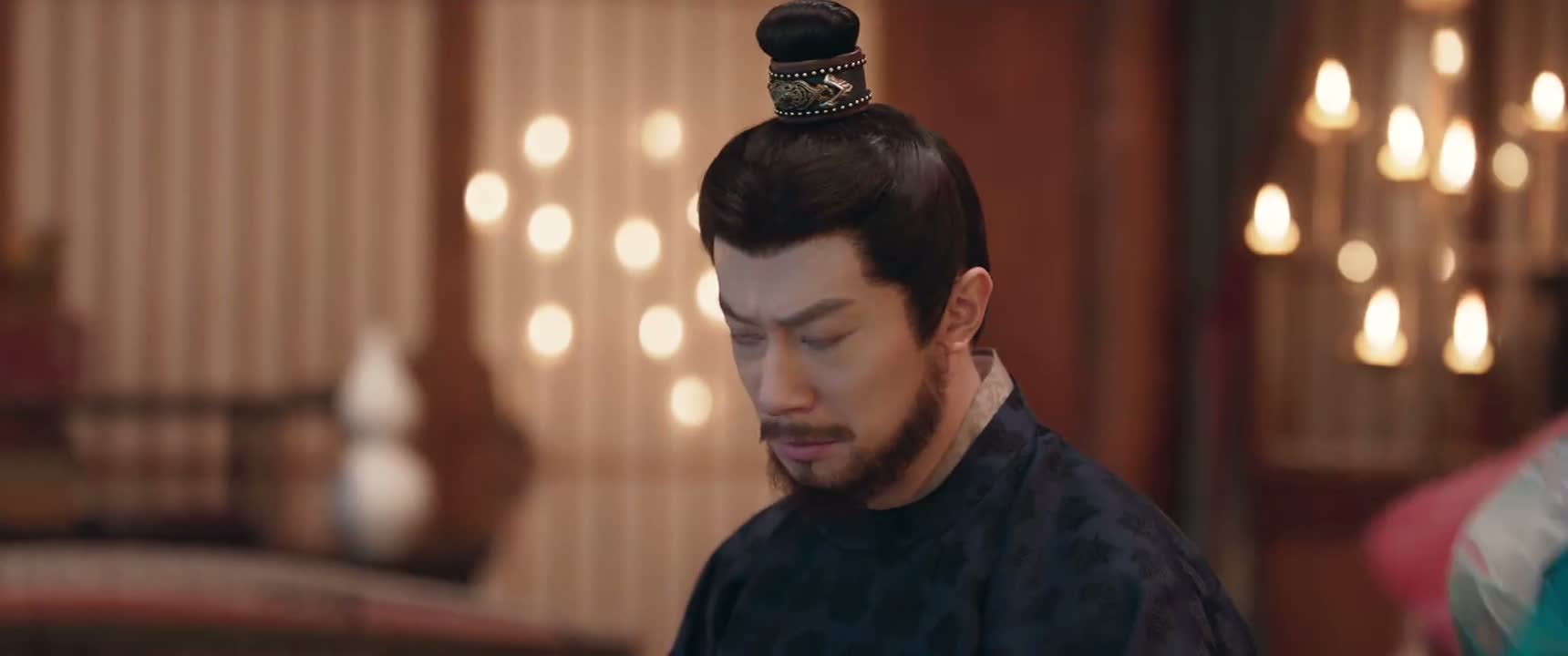
你那天发那么大的火
“the reason you got so mad that day”
THE DIALOGUE REEL
林沉说
“Lin Chen said”
你那天 发那么大的火
“the reason you got so mad that day”
其实根源
“all goes back to”
“The real reason you lost your temper so badly that day wasn't just about what happened on the surface.”
In interpersonal communication, Chinese people often attribute outward outbursts of anger ('fa huo') to unvoiced, deeper concerns or emotional knots ('xin jie'). They typically use heartfelt, open conversations to provide emotional relief and untie these lingering knots.
LEARNING CHUNKS & PARTICLES
to lose one's temper, to get angry
A common colloquial verb phrase, often used with degree modifiers, such as 'fa da huo' (to get furious) or 'bie fa huo' (don't get mad).
to lose one's temper so badly, to get so furious
A common colloquial pattern 'fa zhe me / na me da de huo' (to get this/that angry), used to emphasize an extremely intense emotional reaction.