给钱 给钱 给钱 有没有搞错啊
“Pay up, pay up! You've got to be kidding me!”
THE DIALOGUE REEL
和啦
“I won!”
给钱 给钱 给钱 有没有搞错啊
“Pay up, pay up! You've got to be kidding me!”
春节是深圳最空的时候
“(Spring Festival is when Shenzhen is least crowded,)”
“Pay up, pay up! I can't believe my luck, cough up the cash!”
The preceding exclamation 'hu le' (winning a round) combined with demanding others to 'give money' illustrates an iconic mahjong scene during Chinese New Year or gatherings with friends and family, where the winner playfully and boastfully demands their payout.
LEARNING CHUNKS & PARTICLES
are you kidding me; how could this be
A highly frequent colloquial expression originating from Cantonese, used to convey disbelief, annoyance, or playful complaining.
pay up; hand over the money
Frequently repeated in informal contexts such as winning a card game or bet to express smugness and urge immediate payment.
Placed at the end of a sentence to enhance the rhetorical tone and intensify the feeling of complaint.
VOCABULARY & EXPRESSIONS
Parallel Spoken Cinema Scenes (语义近邻切片)

“How about that? Pay up.”

“Pay her! Stop egging on!”
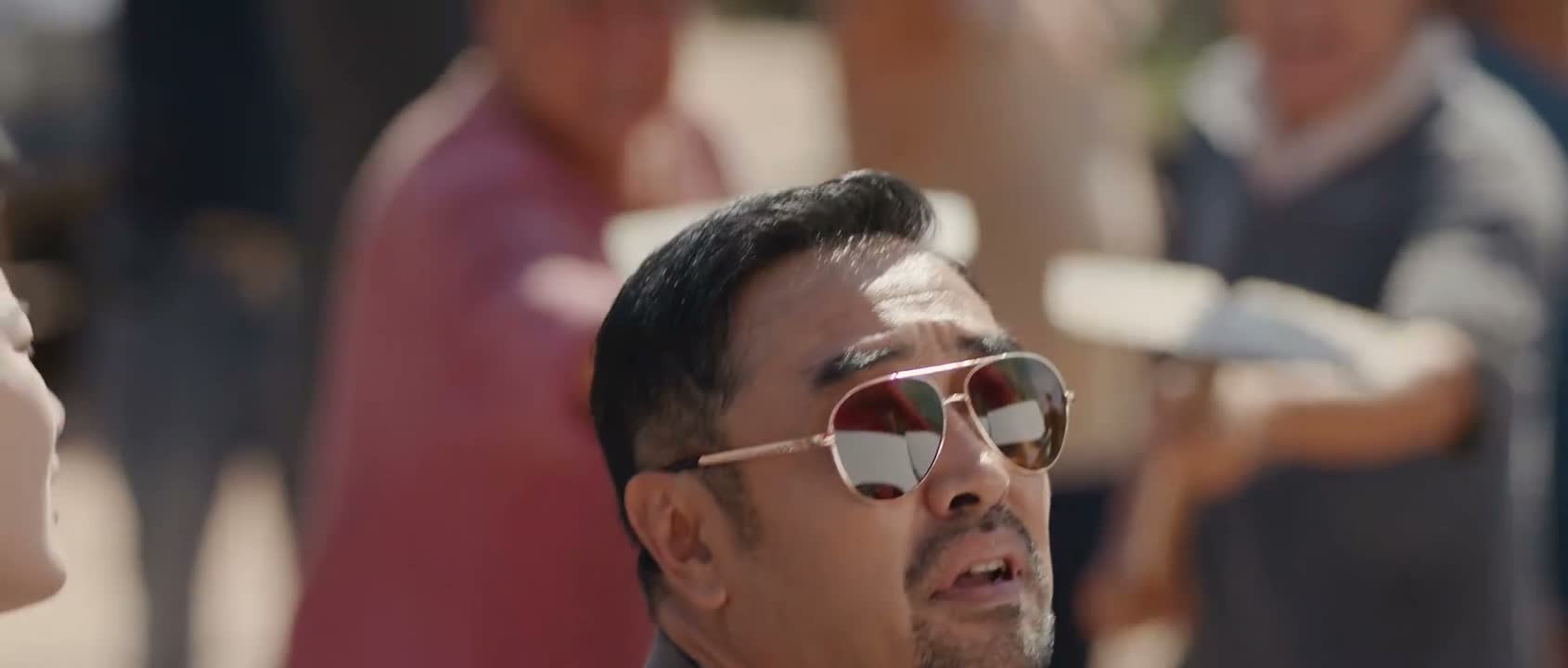
“Pay us! Now!”
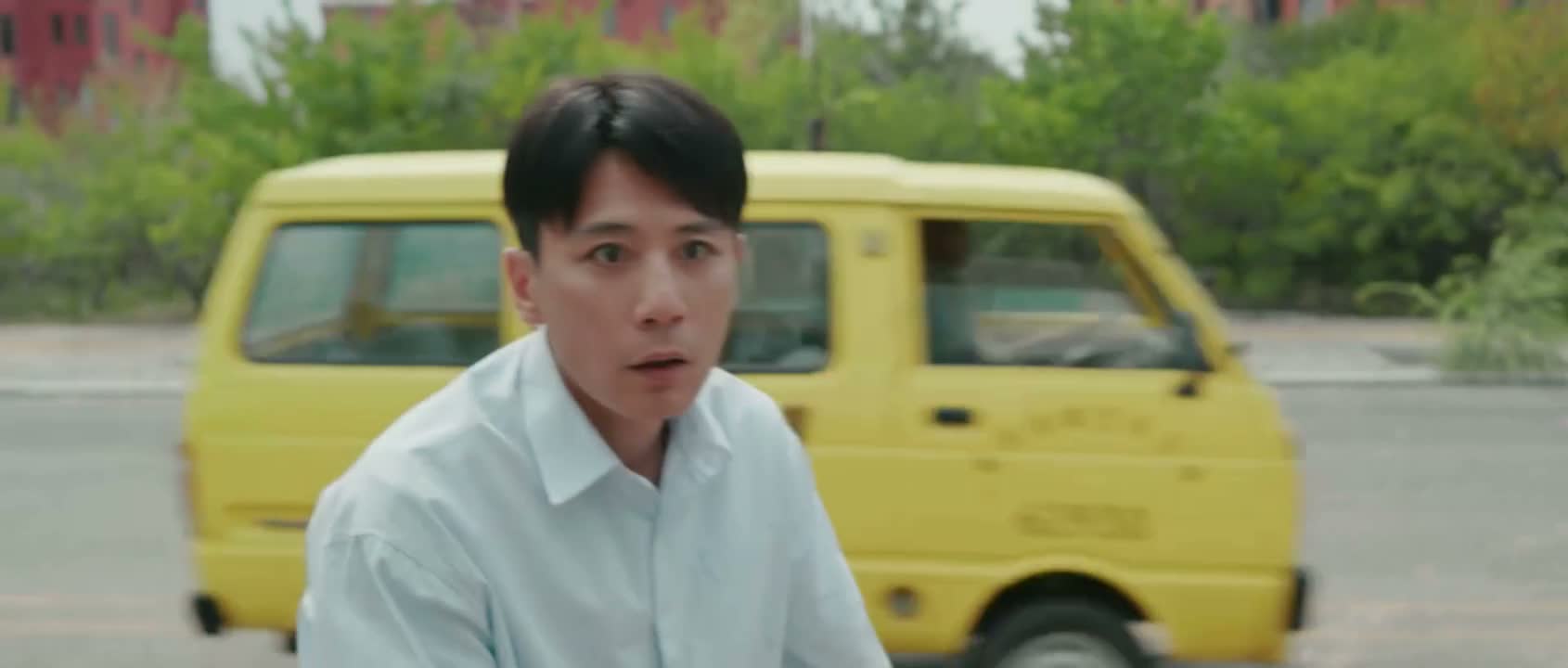
“- Give me the money! - Pay up!”