MC
MandarinClips Cinema Corpus
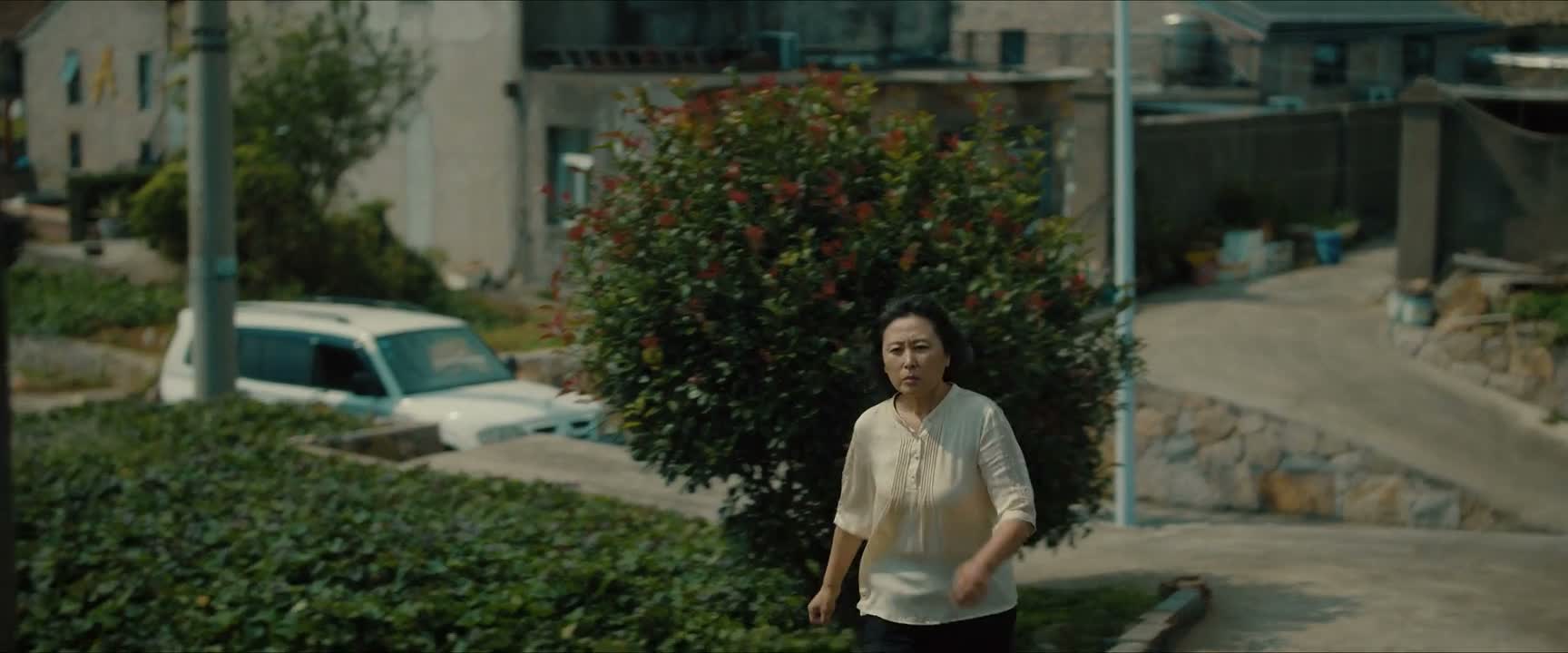
《Vanished Name》 S1·E12 (14:41) HSK 2
nǐ cūn lǐ shuí jiā de a wǒ zǎ méi jiàn guò nǐ

你村里谁家的啊 我咋没见过你

“Which family are you from? Why haven't I seen you before?”

《Vanished Name》 S1·E12
TIMECODE: 14:41 · 1080P MASTER AUDIO

THE DIALOGUE REEL

1+1+1 SPOKEN CONTINUITY
[-1] PREVIOUS TURN wǒ qù tǔ pù cūn

我去土堡村

“I'm going to Tubao Village.”

nǐ cūn lǐ shuí jiā de a wǒ zǎ méi jiàn guò nǐ CURRENT FOCUS

你村里 谁家的 啊 我 咋没见 过你

“Which family are you from? Why haven't I seen you before?”

[+1] FOLLOW-UP TURN nín shì

您是

“Are you from Tubao Village?”

Subtitles synced to millisecond timecode Browse Show Clips →
Scene: Daily Life
Function: INQUIRING IDENTITY
Tone: INQUISITIVE
Emotion: CURIOSITY
WHAT THEY REALLY MEAN (PRAGMATIC SUBTEXT)
“You look like a stranger; prove to me who your family is.”
💡 Cultural Insight: Rural Kinship Networks (熟人社会)

Traditional Chinese villages operate as 'societies of acquaintances' where identity is communal; identifying an individual's family household (谁家的) is the standard way to categorize and accept a person.

INTENT TAGS: #vetting #curiosity #lineage_inquiry #identifying
🧩

LEARNING CHUNKS & PARTICLES

2 CHUNKS · 1 PARTICLES
谁家的 SPOKEN CHUNK

from whose family / household

A colloquial question pattern typical in rural or neighborhood environments to identify someone through their family lineage.

咋没见过 SPOKEN CHUNK

how come I've never seen (you)

咋 is a very common northern colloquial equivalent of 怎么 (why / how come).

Modal Particle「啊」 (a) CHANGE OF STATE

Softens the inquiry, making an otherwise blunt question sound more conversational and neighborly.
🏮

VOCABULARY & EXPRESSIONS

2 EXPR · 0 GRAMMAR
CROSS-CINEMA CORPUS BOARD · PARALLEL SCENES

Parallel Spoken Cinema Scenes (语义近邻切片)

EXPLORE BY SEMANTIC SIMILARITY
《Vanished Name》 S1·E12 (14:41) · Authentic Cinema Dialogue Corpus