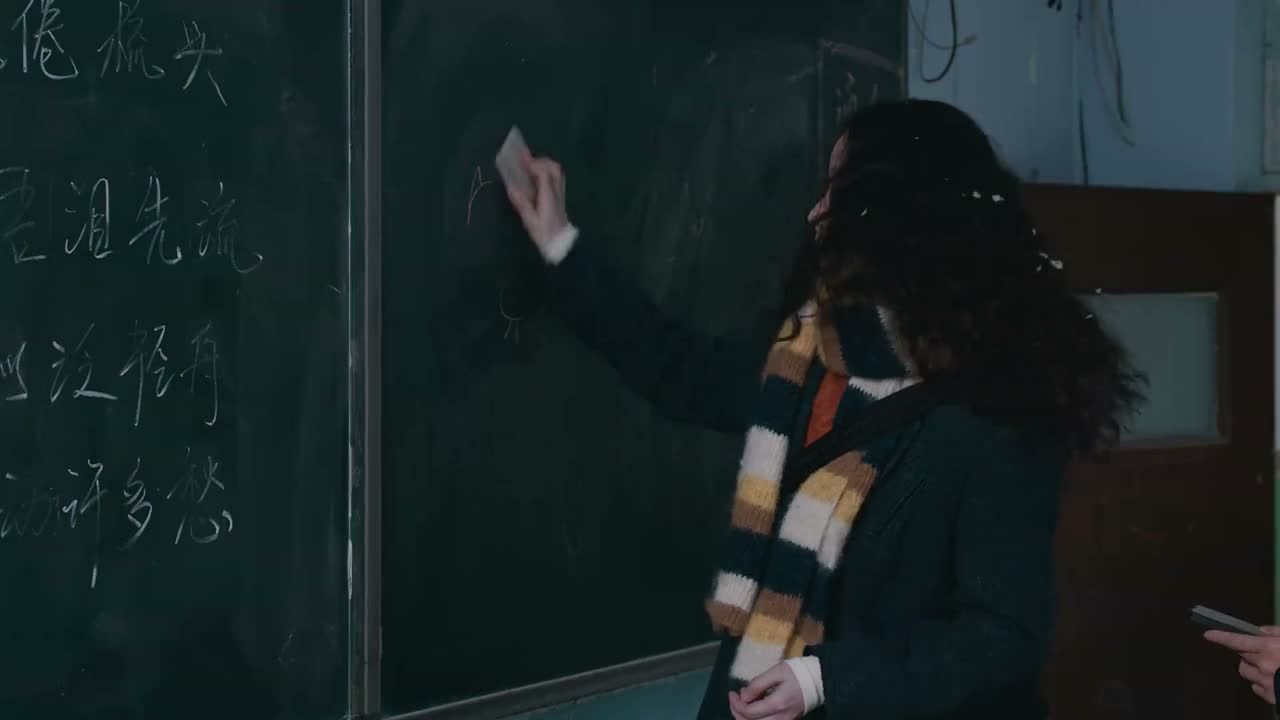
《The Glamorous Night》 S1·E19 (04:52)
HSK 4
nà wǒ jiē zhe qù máng qù le
那我接着去忙去了
“I'll get back to work then.”
《The Glamorous Night》
S1·E19
TIMECODE: 04:52
·
1080P MASTER AUDIO
THE DIALOGUE REEL
[-1] PREVIOUS TURN
xíng
行
“Okay.”
nà wǒ jiē zhe qù máng qù le
CURRENT FOCUS
那我接着去忙去了
“I'll get back to work then.”
[+1] FOLLOW-UP TURN
bú shì ba ā fāng jiě nǐ dōu zhè yàng le nǐ hái néng qù gàn huó a
“Seriously, Fang? You're in this state and still going to work?”
Subtitles synced to millisecond timecode
Browse Show Clips →
Scene:
Workplace
Function:
POLITE DEPARTURE
Tone:
CASUAL
Emotion:
DEDICATION
WHAT THEY REALLY MEAN (PRAGMATIC SUBTEXT)
Direct spoken expression in this communicative setting.
💡 Cultural Insight: Gongzuo Kuang (Work Ethic Culture)
In Chinese workplace culture, excusing oneself by mentioning that one must get back to work is universally understood as a polite, responsible way to exit a conversation.
INTENT TAGS:
#excusing_oneself
#departing
#resuming_work
#polite_exit
🧩
1 CHUNKS · 1 PARTICLES
LEARNING CHUNKS & PARTICLES
接着去忙
SPOKEN CHUNK
to carry on with one's busy work
A very common conversational formula used to smoothly excuse oneself and return to tasks.
Modal Particle「了」 (le)
CHANGE OF STATE
Indicates a transition or an imminent change of action, softening the exit.
CROSS-CINEMA CORPUS BOARD · PARALLEL SCENES
EXPLORE BY SEMANTIC SIMILARITY
Parallel Spoken Cinema Scenes (语义近邻切片)
《The Glamorous Night》 S1·E19 (04:52) · Authentic Cinema Dialogue Corpus