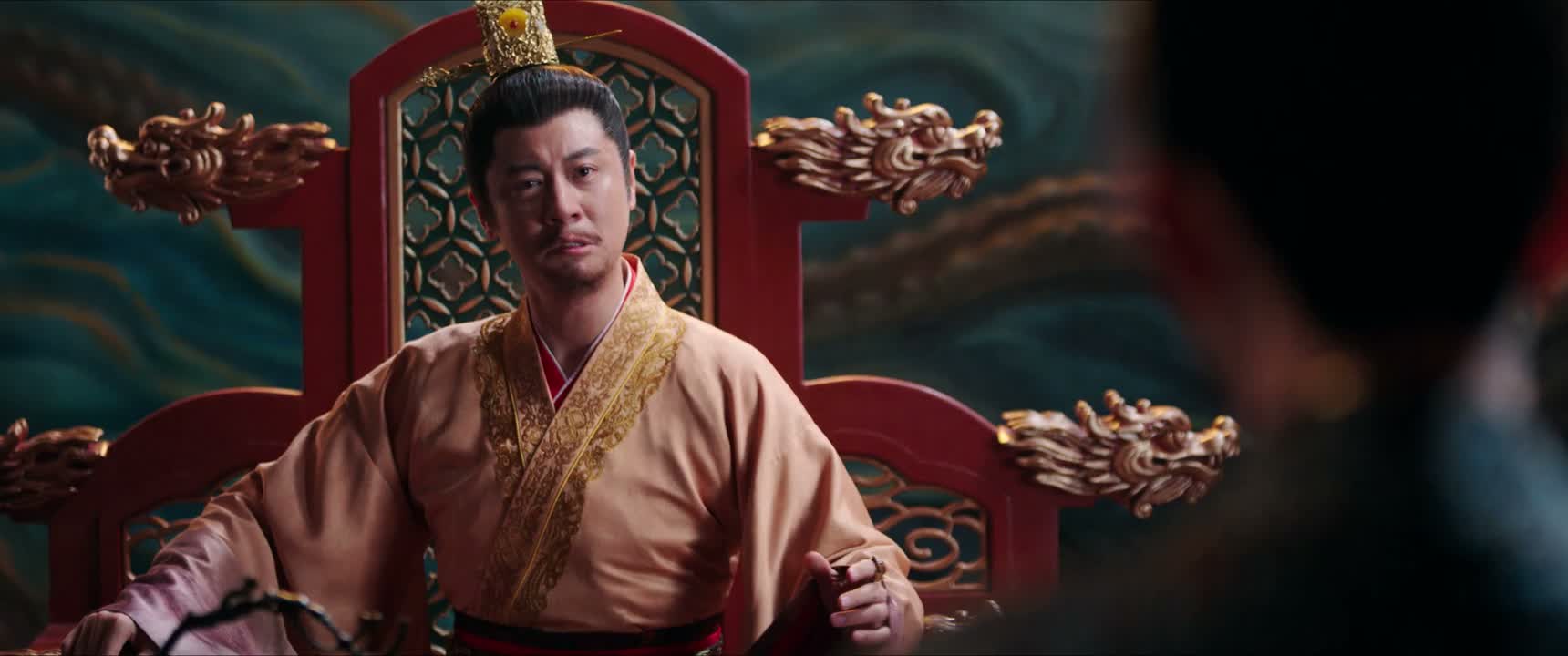
《How Dare You!?》 S1·E6 (23:27)
HSK 6
tā hán hèn zì shā le
她含恨自杀了
“she killed herself in anger and resentment.”
《How Dare You!?》
S1·E6
TIMECODE: 23:27
·
1080P MASTER AUDIO
THE DIALOGUE REEL
[-1] PREVIOUS TURN
zuì hòu
最后
“In the end,”
tā hán hèn zì shā le
CURRENT FOCUS
她 含恨自杀 了
“she killed herself in anger and resentment.”
[+1] FOLLOW-UP TURN
zì shā
自杀
“Killed herself?”
Subtitles synced to millisecond timecode
Browse Show Clips →
Scene:
Daily Life
Function:
NARRATING CLIMAX
Tone:
MATTER_OF_FACT
Emotion:
SOLEMNITY
WHAT THEY REALLY MEAN (PRAGMATIC SUBTEXT)
Direct spoken expression in this communicative setting.
💡 Cultural Insight: Narrative Melodrama
Phrases like '含恨自杀' are classic narrative tropes in Chinese melodrama and storytelling, highlighting unresolved emotional conflict.
INTENT TAGS:
#narration
#storytelling
#reporting
#climax
🧩
2 CHUNKS · 1 PARTICLES
LEARNING CHUNKS & PARTICLES
含恨
SPOKEN CHUNK
with deep resentment or unfulfilled grievance
A literary yet common four-character expression component used to describe dying or departing with bitter regret.
自杀
SPOKEN CHUNK
to commit suicide
Standard neutral term for ending one's own life.
Modal Particle「了」 (le)
CHANGE OF STATE
Indicates completion of the action and the emergence of a final state.
🏮
1 EXPR · 0 GRAMMAR
VOCABULARY & EXPRESSIONS
COLLOQUIAL EXPRESSIONS:
CROSS-CINEMA CORPUS BOARD · PARALLEL SCENES
EXPLORE BY SEMANTIC SIMILARITY
Parallel Spoken Cinema Scenes (语义近邻切片)
《How Dare You!?》 S1·E6 (23:27) · Authentic Cinema Dialogue Corpus