《Archives: The Nanyang Mystery》 S1·E12 (12:36)
HSK 1
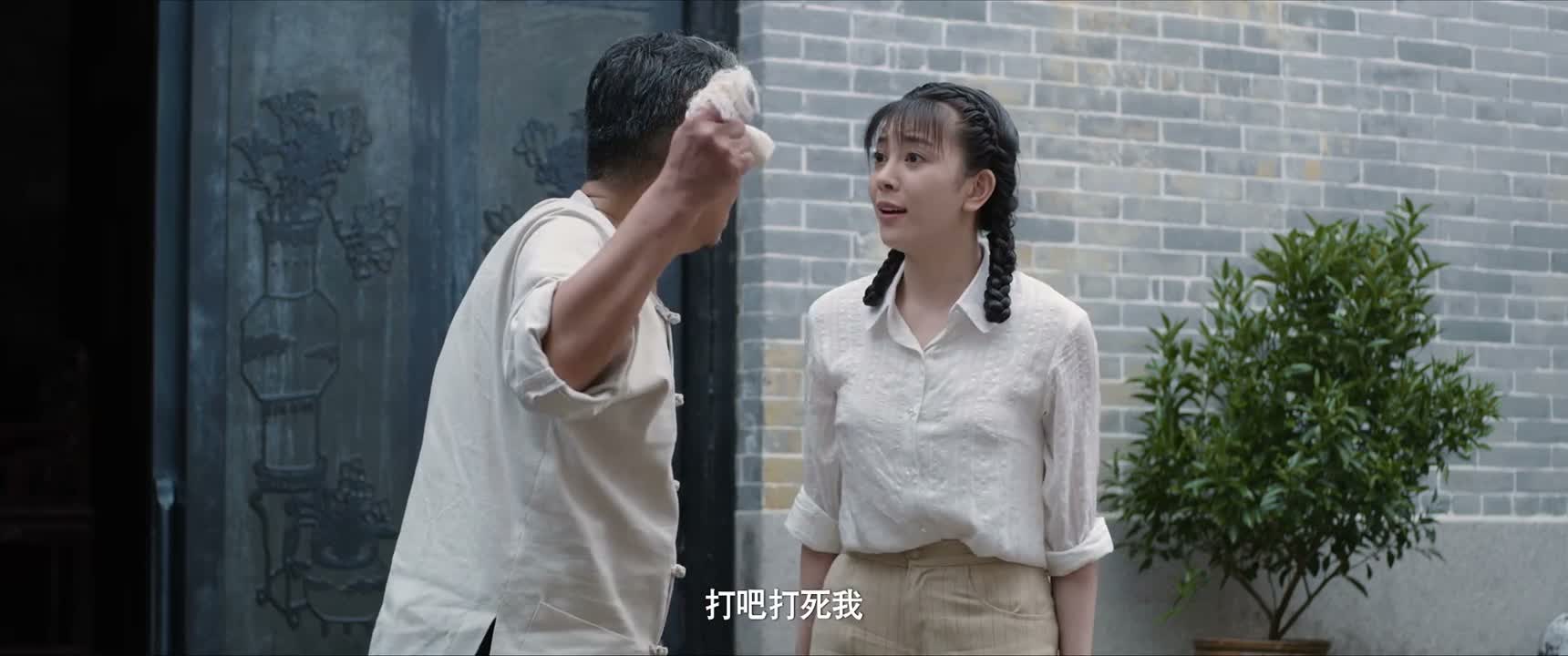
nǐ dǎ sǐ wǒ ba dǎ sǐ wǒ
你打死我吧 打死我
“Kill me! Kill me!”
《Archives: The Nanyang Mystery》
S1·E12
TIMECODE: 12:36
·
1080P MASTER AUDIO
THE DIALOGUE REEL
[-1] PREVIOUS TURN
nǐ dǎ sǐ wǒ ba
你打死我吧
“Just kill me.”
nǐ dǎ sǐ wǒ ba dǎ sǐ wǒ
CURRENT FOCUS
你 打死我吧 打死我
“Kill me! Kill me!”
[+1] FOLLOW-UP TURN
dǎ sǐ nǐ
打死你
“Kill you?”
Subtitles synced to millisecond timecode
Browse Show Clips →
Scene:
Crisis & Conflict
Function:
DEFIANT PROVOCATION
Tone:
DEFIANT
Emotion:
DESPAIR
WHAT THEY REALLY MEAN (PRAGMATIC SUBTEXT)
“Go ahead and kill me if that satisfies your anger; I have nothing left to lose.”
💡 Cultural Insight: Resigned Defiance (破罐子破摔)
When driven into a corner during intense emotional clashes, individuals often resort to extreme self-deprecating dares to shame the aggressor or show absolute resignation.
INTENT TAGS:
#provocation
#defiance
#concession
#calling_bluff
🧩
1 CHUNKS · 1 PARTICLES
LEARNING CHUNKS & PARTICLES
打死我
SPOKEN CHUNK
beat me to death
Commonly used in heated dramatic arguments to express desperation, stubborn refusal, or calling someone's bluff.
Modal Particle「吧」 (ba)
CHANGE OF STATE
Softens an imperative into a resigned concession or a challenging invitation.
🏮
1 EXPR · 0 GRAMMAR
VOCABULARY & EXPRESSIONS
COLLOQUIAL EXPRESSIONS:
CROSS-CINEMA CORPUS BOARD · PARALLEL SCENES
EXPLORE BY SEMANTIC SIMILARITY
Parallel Spoken Cinema Scenes (语义近邻切片)
《Archives: The Nanyang Mystery》 S1·E12 (12:36) · Authentic Cinema Dialogue Corpus