看俩人都不太对
“Both of them looked off.”
THE DIALOGUE REEL
我就推门进去
“Opening the door, I went in.”
看俩人都 不太对
“Both of them looked off.”
进去一试
“I went closer to check,”
Direct spoken expression in this communicative setting.
Chinese speakers frequently use understatement like 'not quite right' to describe severe anomalies or impending danger, letting listeners deduce the gravity from the context.
LEARNING CHUNKS & PARTICLES
not quite right; something is wrong
A highly frequent colloquial way to express that someone's behavior, physical state, or a situation feels anomalous or suspicious.
the two of them
Colloquial Northern contraction of 两个人, widely used in spoken Mandarin to denote a pair of people.
VOCABULARY & EXPRESSIONS
Parallel Spoken Cinema Scenes (语义近邻切片)
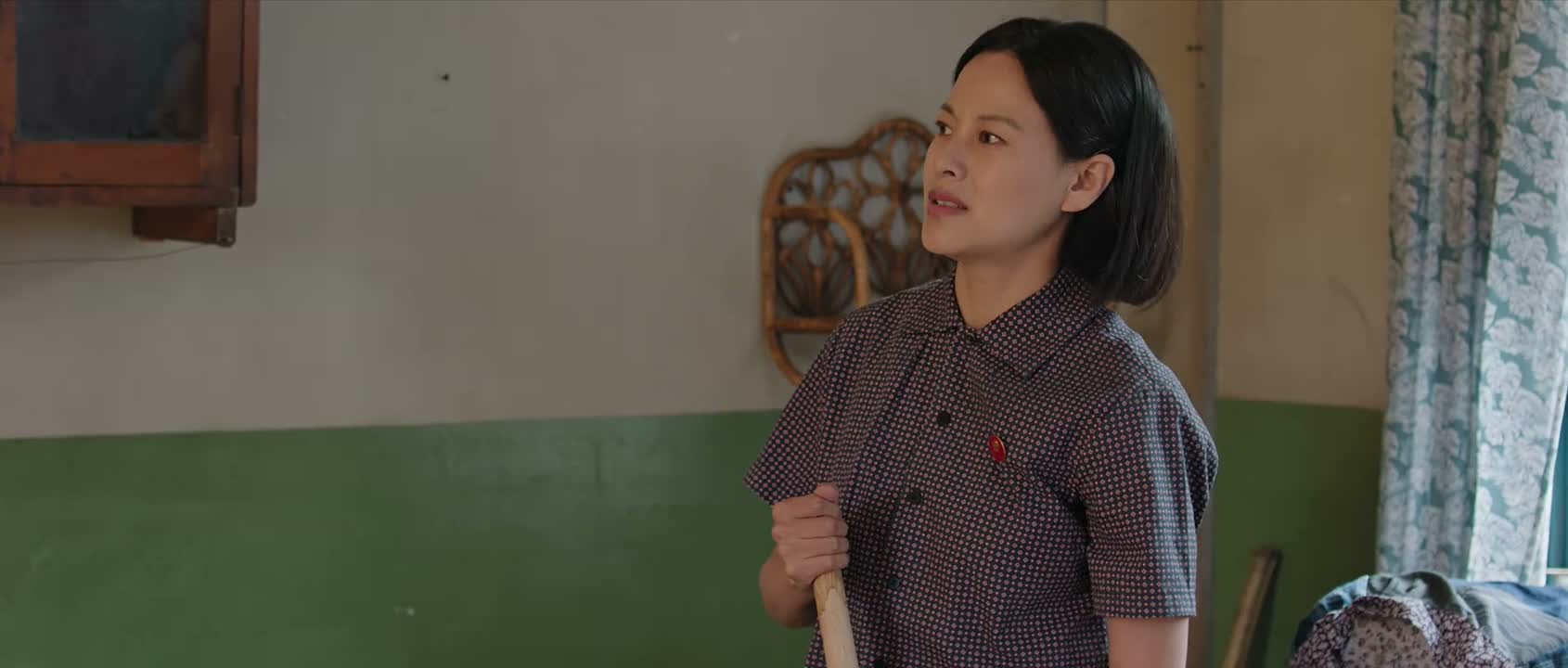
“It looks strange to me. It's not like a couple's room.”
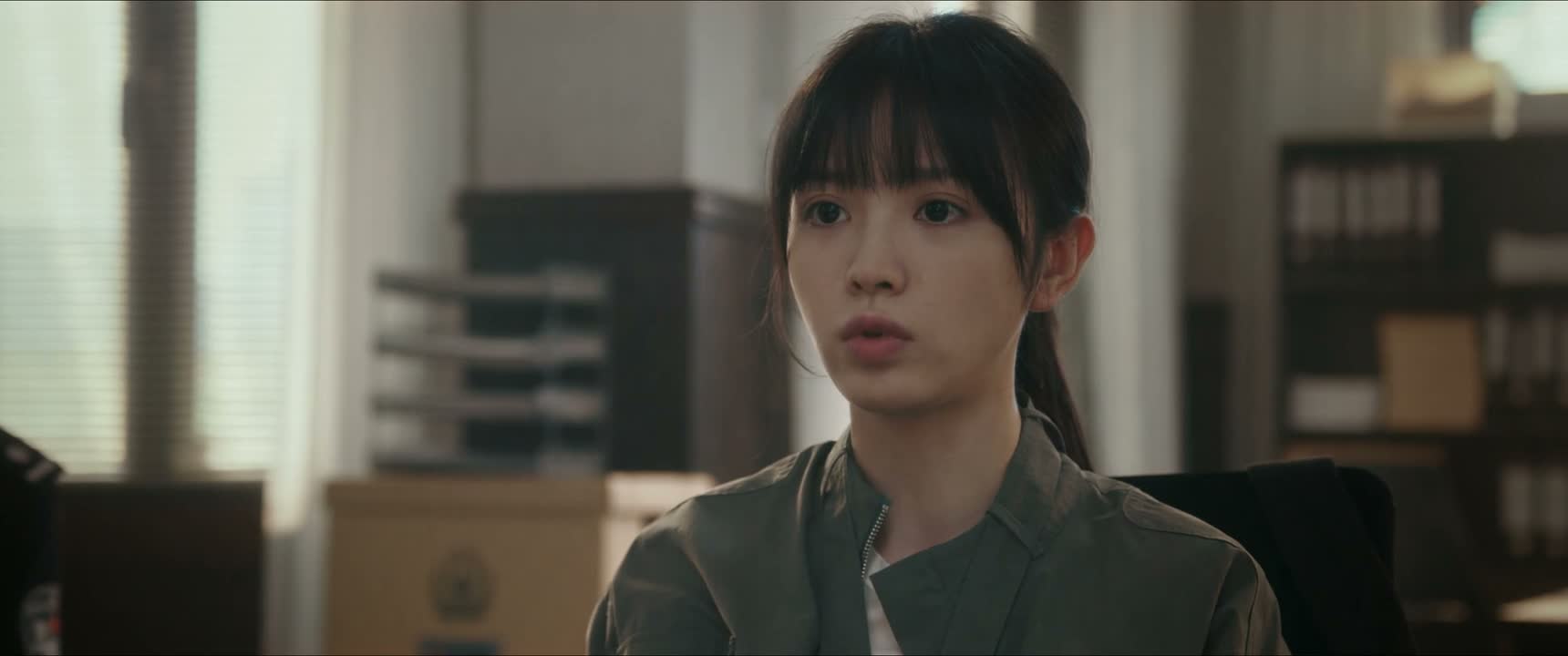
“It doesn't seem to me that Zhou Rong”

“Just listening to couples talk like this is annoying.”