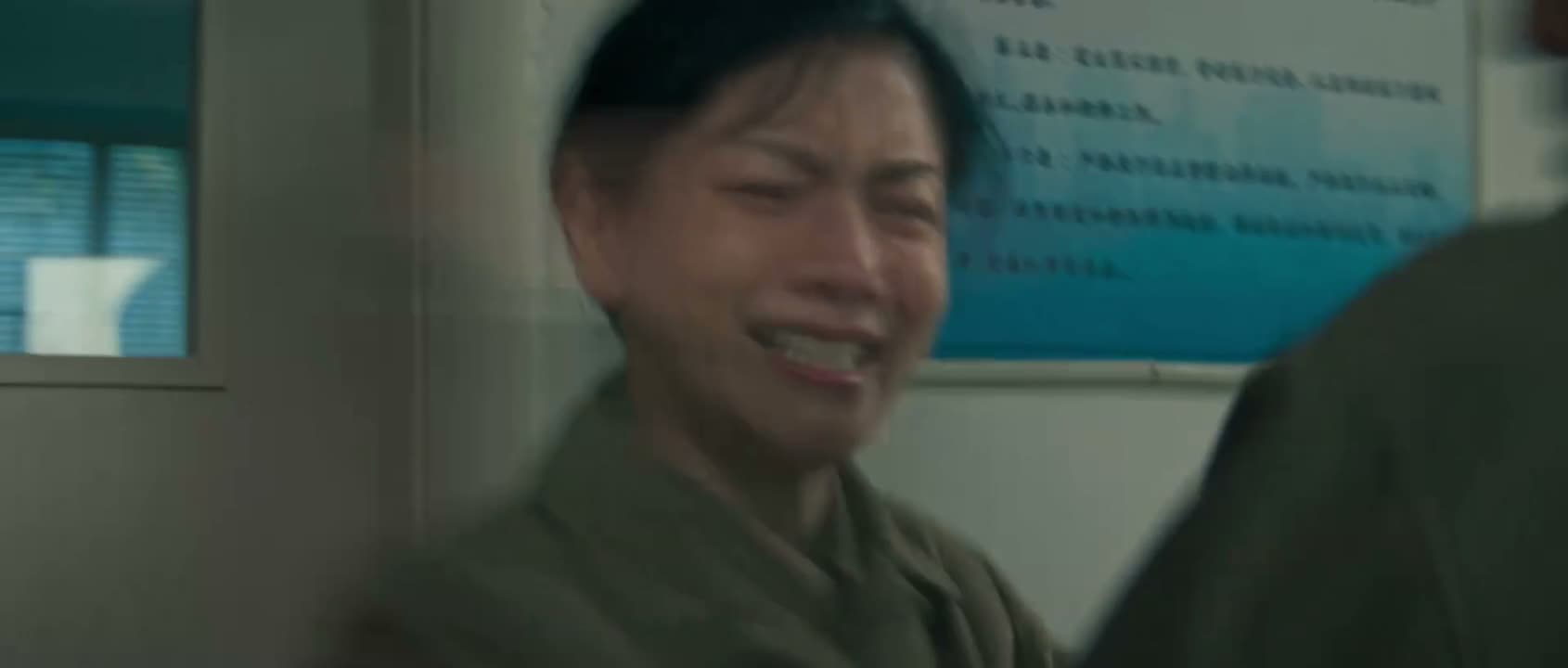
《The Guilty》 S1·E5 (06:23)
HSK 5
gàn shén me qù le zěn me cái lái ya
干什么去了 怎么才来呀
“Where have you been? Why are you only here now?”
《The Guilty》
S1·E5
TIMECODE: 06:23
·
1080P MASTER AUDIO
THE DIALOGUE REEL
[-1] PREVIOUS TURN
néng xiū hǎo
能修好
“Yes, it can.”
gàn shén me qù le zěn me cái lái ya
CURRENT FOCUS
干什么去了 怎么才来 呀
“Where have you been? Why are you only here now?”
[+1] FOLLOW-UP TURN
shuì guò tóu le
睡过头了
“I overslept.”
Subtitles synced to millisecond timecode
Browse Show Clips →
Scene:
Daily Life
Function:
DEMANDING EXPLANATION
Tone:
INQUISITIVE
Emotion:
ANNOYANCE
WHAT THEY REALLY MEAN (PRAGMATIC SUBTEXT)
“You kept us waiting; where on earth have you been?”
💡 Cultural Insight: Informal Accountability
In close peer circles in China, directly questioning someone's delay without formal pleasantries signifies familiarity and shared expectations of promptness.
INTENT TAGS:
#demanding_explanation
#mild_reproach
#impatience
🧩
2 CHUNKS · 1 PARTICLES
LEARNING CHUNKS & PARTICLES
干什么去了
SPOKEN CHUNK
where have you been / what were you doing
A very common colloquial question asked when someone has gone missing or returns late.
怎么才来
SPOKEN CHUNK
why did you arrive so late
Used to point out someone's delayed arrival with a critical or impatient undertone.
Modal Particle「呀」 (ya)
CHANGE OF STATE
Softens the interrogative slightly while still conveying personal curiosity and impatience.
🏮
2 EXPR · 0 GRAMMAR
VOCABULARY & EXPRESSIONS
COLLOQUIAL EXPRESSIONS:
CROSS-CINEMA CORPUS BOARD · PARALLEL SCENES
EXPLORE BY SEMANTIC SIMILARITY
Parallel Spoken Cinema Scenes (语义近邻切片)

《The Guilty》 S1·E5 (06:23) · Authentic Cinema Dialogue Corpus