MC
MandarinClips Cinema Corpus
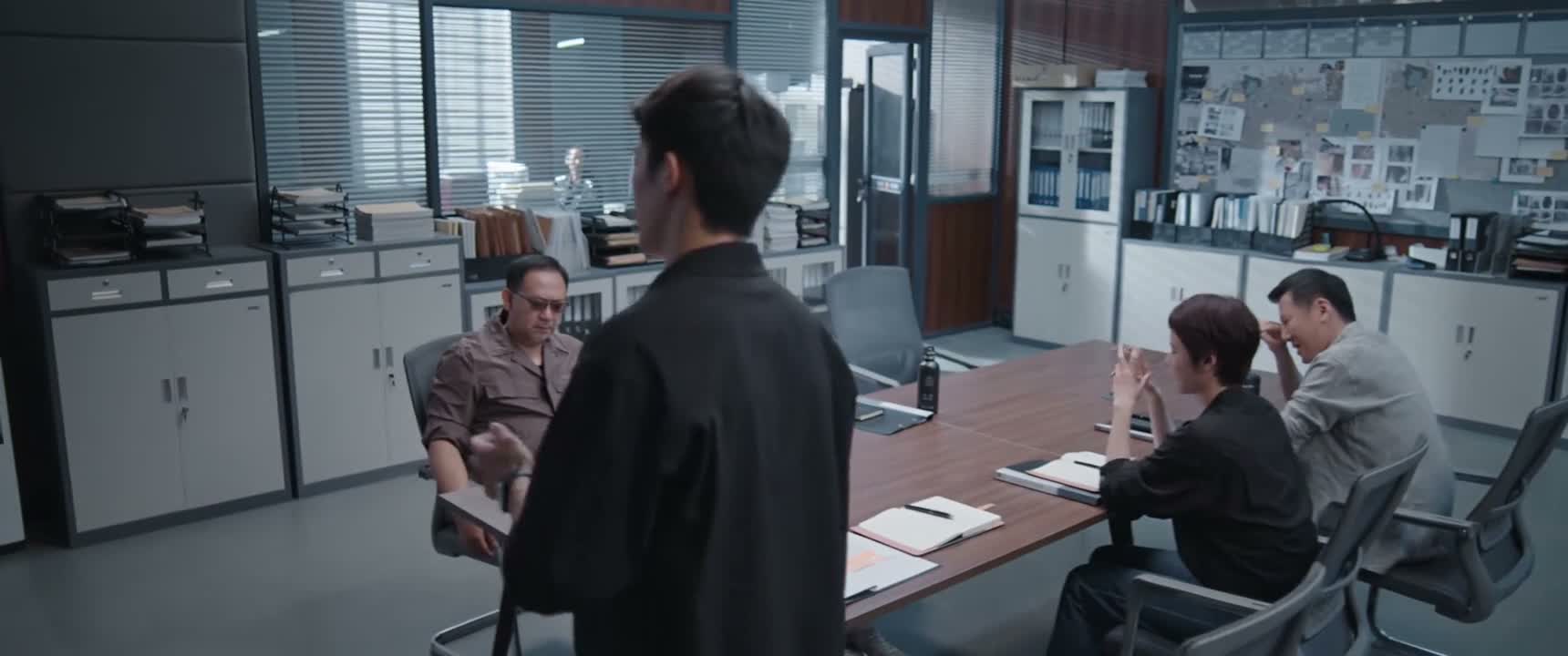
《The Lead》 S1·E33 (22:12) HSK 6
nǐ bié zhuǎn le ma zhuǎn dé wǒ tóu yūn le

你别转了嘛 转得我头晕了

“Stop pacing around. You're making me dizzy.”

《The Lead》 S1·E33
TIMECODE: 22:12 · 1080P MASTER AUDIO

THE DIALOGUE REEL

1+1+1 SPOKEN CONTINUITY
[-1] PREVIOUS TURN lǐ huì niáng shì shòu le shá zǔ zhòu

李慧娘是受了啥诅咒

“Is Li Hui Niang cursed or something?”

nǐ bié zhuǎn le ma zhuǎn dé wǒ tóu yūn le CURRENT FOCUS

你别转了嘛 转得我头晕了

“Stop pacing around. You're making me dizzy.”

[+1] FOLLOW-UP TURN nǐ shuō zhè qín é yào shì qǐng bù huí lái de huà

你说 这秦娥要是请不回来的话

“Tell me. If we can't get Qin'e back,”

Subtitles synced to millisecond timecode Browse Show Clips →
Scene: Daily Life
Function: URGING TO STOP
Tone: IMPATIENT
Emotion: ANNOYANCE
WHAT THEY REALLY MEAN (PRAGMATIC SUBTEXT)
“Calm down and sit still; your nervous pacing is making me anxious too.”
💡 Cultural Insight: Emotional Contagion in Close Quarters

In Chinese interpersonal communication, physical manifestations of agitation like pacing are often directly called out because communal calm is valued over solitary anxiety.

INTENT TAGS: #dissuasion #urging #expressing_annoyance #calming_down
🧩

LEARNING CHUNKS & PARTICLES

2 CHUNKS · 2 PARTICLES
别……了嘛 SPOKEN CHUNK

please don't ... anymore

A common colloquial pattern used to plead with or urge someone to stop an annoying behavior with a softening tone.

头晕 SPOKEN CHUNK

dizzy / lightheaded

Can describe literal physical dizziness or mental overwhelm caused by someone's chaotic behavior.

Modal Particle「嘛」 (ma) CHANGE OF STATE

Softens the imperative command, making it sound more like an exasperated plea rather than a harsh order.

Modal Particle「了」 (le) CHANGE OF STATE

Indicates a newly emerged physical state of dizziness resulting from the other person's pacing.
CROSS-CINEMA CORPUS BOARD · PARALLEL SCENES

Parallel Spoken Cinema Scenes (语义近邻切片)

EXPLORE BY SEMANTIC SIMILARITY
《The Lead》 S1·E33 (22:12) · Authentic Cinema Dialogue Corpus