《Vanished Name》 S1·E31 (13:47)
HSK 3
tā zěn me néng fàng dé xià
她怎么能放得下
“How could she ever move on?”
《Vanished Name》
S1·E31
TIMECODE: 13:47
·
1080P MASTER AUDIO
THE DIALOGUE REEL
tā zěn me néng fàng dé xià
CURRENT FOCUS
她 怎么能放得下
“How could she ever move on?”
[+1] FOLLOW-UP TURN
nǐ yě cháng cháng shī qù zhì ài de zī wèi ba
“Now you'll know what it feels like to lose someone dear.”
Subtitles synced to millisecond timecode
Browse Show Clips →
Scene:
Crisis & Conflict
Function:
RHETORICAL JUSTIFICATION
Tone:
BITTER
Emotion:
ANGER
WHAT THEY REALLY MEAN (PRAGMATIC SUBTEXT)
“It is totally impossible for her to let go, which is why you must suffer the exact same pain.”
💡 Cultural Insight: Emotional Attachment and Retribution
In dramatic Chinese narratives, deep emotional obsession (执念) often justifies extreme actions or retributive justice, as letting go of profound love or betrayal is viewed as almost humanly impossible.
INTENT TAGS:
#justification
#rhetorical_question
#retribution
#empathy_appeal
#confrontation
🧩
2 CHUNKS · 0 PARTICLES
LEARNING CHUNKS & PARTICLES
怎么能
SPOKEN CHUNK
how can/could one possibly
Commonly used to formulate rhetorical questions emphasizing impossibility or moral outrage.
放得下
SPOKEN CHUNK
able to let go; capable of moving on emotionally
A potential complement structure used when discussing letting go of attachments, grudges, or grief.
🏮
1 EXPR · 0 GRAMMAR
VOCABULARY & EXPRESSIONS
COLLOQUIAL EXPRESSIONS:
CROSS-CINEMA CORPUS BOARD · PARALLEL SCENES
EXPLORE BY SEMANTIC SIMILARITY
Parallel Spoken Cinema Scenes (语义近邻切片)
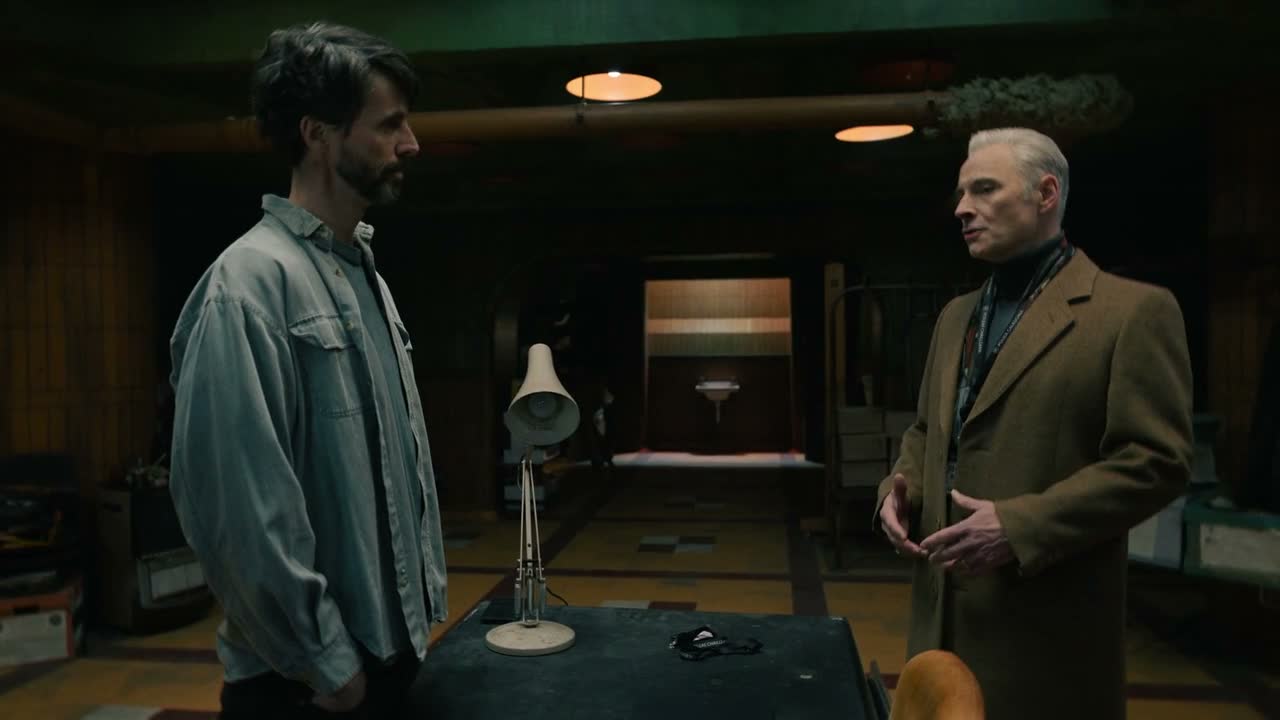

《Vanished Name》 S1·E31 (13:47) · Authentic Cinema Dialogue Corpus