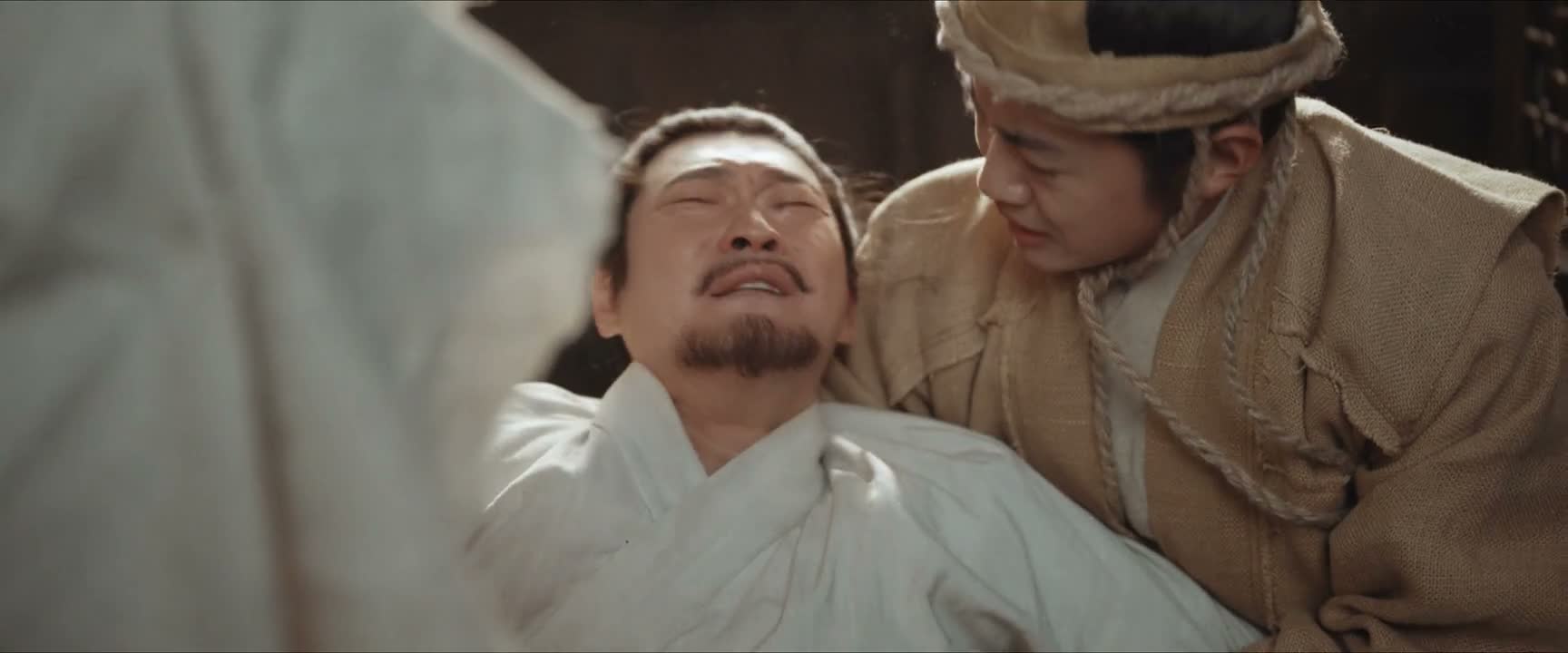
为什么要救我
“Why did you save me?”
THE DIALOGUE REEL
为什么要救我
“Why did you save me?”
为什么要救我 爹 景东你干什么景东 走
“Why did you save me? Father! Jingdong, what are you doing? Go away!”
“You shouldn't have saved me; I would rather be dead than face this pain.”
In high-stress family conflicts in Chinese drama, characters often express severe self-reproach, viewing their survival as an added burden to their loved ones.
LEARNING CHUNKS & PARTICLES
why must / why do you have to
A direct way to demand the reason or rationale behind someone's actions, often colored with bewilderment or frustration.
save me
Commonly used in emergencies or dramatic contexts when asking for help or referring to being rescued.
VOCABULARY & EXPRESSIONS
Parallel Spoken Cinema Scenes (语义近邻切片)

“Why did you save me?”

“Why did you save me?”

“Why did you save me?”
“Why did you save...”

“Why are you trying to save him? His crimes”