《Vanished Name》 S1·E20 (42:11)
HSK 2
è sǐ guǐ a xǐ shǒu qù
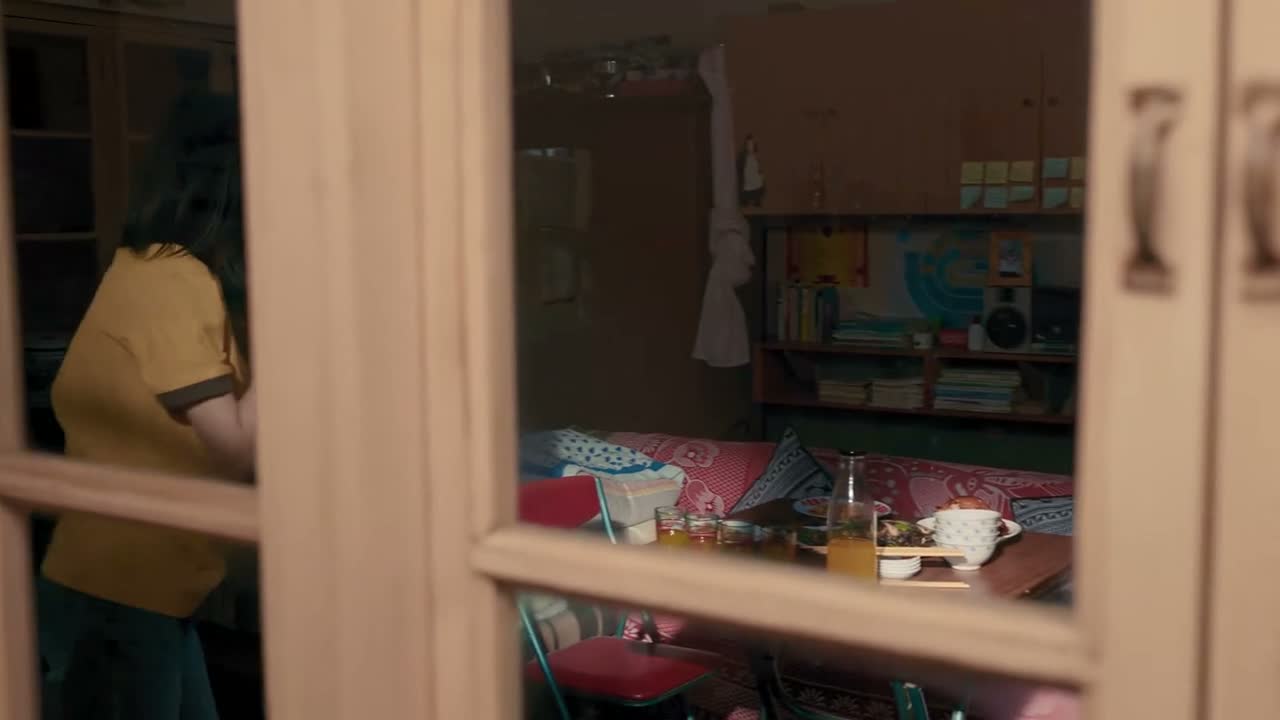
饿死鬼啊 洗手去
“Were you starving? Go wash your hands.”
《Vanished Name》
S1·E20
TIMECODE: 42:11
·
1080P MASTER AUDIO
THE DIALOGUE REEL
[-1] PREVIOUS TURN
dōu hǎo le guō bāo ròu
都好了 锅包肉
“- Food is ready. - Guo Bao Rou.”
è sǐ guǐ a xǐ shǒu qù
CURRENT FOCUS
饿死鬼 啊 洗手去
“Were you starving? Go wash your hands.”
[+1] FOLLOW-UP TURN
chī méi chī xiàng
吃没吃相
“No table manners at all.”
Subtitles synced to millisecond timecode
Browse Show Clips →
Scene:
Dining & Food
Function:
ADMONITION
Tone:
NAGGING
Emotion:
ANNOYANCE
WHAT THEY REALLY MEAN (PRAGMATIC SUBTEXT)
“Don't just grab the food with dirty hands like an animal; wash your hands first!”
💡 Cultural Insight: Starving Ghost Metaphor (饿死鬼)
Rooted in traditional Buddhist and folk cosmology, calling someone a 'hungry ghost' is a common colloquial trope in Chinese homes to tease someone who grabs food impulsively.
INTENT TAGS:
#scolding
#hygiene_reminder
#teasing
#affectionate_reprimand
🧩
2 CHUNKS · 1 PARTICLES
LEARNING CHUNKS & PARTICLES
饿死鬼
SPOKEN CHUNK
starving ghost / ravenous glutton
A blunt, colloquial hyperbole used affectionately or exasperatedly to call out someone acting excessively hungry.
洗手去
SPOKEN CHUNK
go wash your hands
A direct colloquial imperative typical of domestic or close-relationship directives.
Modal Particle「啊」 (a)
CHANGE OF STATE
Adds rhetorical, exclamation-like sharpness to the teasing critique.
🏮
1 EXPR · 0 GRAMMAR
VOCABULARY & EXPRESSIONS
COLLOQUIAL EXPRESSIONS:
CROSS-CINEMA CORPUS BOARD · PARALLEL SCENES
EXPLORE BY SEMANTIC SIMILARITY
Parallel Spoken Cinema Scenes (语义近邻切片)
《Vanished Name》 S1·E20 (42:11) · Authentic Cinema Dialogue Corpus