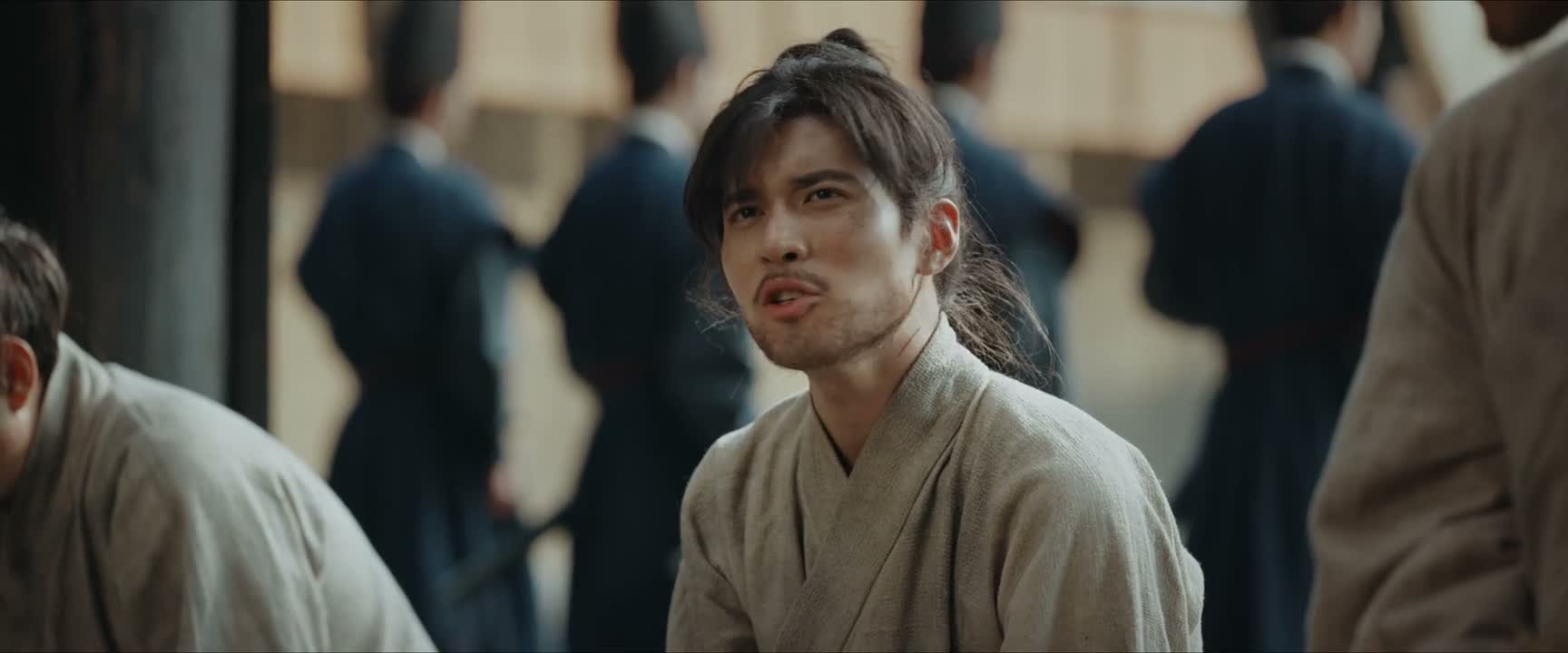
《Vanished Name》 S1·E20 (27:10)
HSK 4
nǐ men yǒng yuǎn dōu wàng bù diào sǐ qù de hái zi
你们永远都忘不掉死去的孩子
“You'll never forget your dead children.”
《Vanished Name》
S1·E20
TIMECODE: 27:10
·
1080P MASTER AUDIO
THE DIALOGUE REEL
[-1] PREVIOUS TURN
nǐ mā mā shī qù nǚ ér de tòng kǔ
你妈妈失去女儿的痛苦
“your mother felt losing her daughter.”
nǐ men yǒng yuǎn dōu wàng bù diào sǐ qù de hái zi
CURRENT FOCUS
你们永远都 忘不掉 死去的孩子
“You'll never forget your dead children.”
[+1] FOLLOW-UP TURN
nà wǒ ne
那我呢
“What about me?”
Subtitles synced to millisecond timecode
Browse Show Clips →
Scene:
Crisis & Conflict
Function:
VENTING RESENTMENT
Tone:
BITTER
Emotion:
GRIEF
WHAT THEY REALLY MEAN (PRAGMATIC SUBTEXT)
“You care more about the ghost of your past than the child standing right in front of you.”
💡 Cultural Insight: Parental Trauma and Sibling Shadow
In Chinese family dynamics, especially under the historic One-Child Policy context or deep family losses, surviving children often struggle with feelings of being invisible compared to an idealized deceased sibling.
INTENT TAGS:
#accusing
#venting
#pleading_for_attention
#confrontation
🧩
2 CHUNKS · 0 PARTICLES
LEARNING CHUNKS & PARTICLES
忘不掉
SPOKEN CHUNK
unable to forget
A potential complement construction used to describe memories or impressions that cannot be erased from one's mind.
死去的
SPOKEN CHUNK
deceased / dead
Used as an attributive adjective modifying a person or entity that has passed away.
🏮
1 EXPR · 0 GRAMMAR
VOCABULARY & EXPRESSIONS
COLLOQUIAL EXPRESSIONS:
CROSS-CINEMA CORPUS BOARD · PARALLEL SCENES
EXPLORE BY SEMANTIC SIMILARITY
Parallel Spoken Cinema Scenes (语义近邻切片)
《Vanished Name》 S1·E20 (27:10) · Authentic Cinema Dialogue Corpus