《Vanished Name》 S1·E26 (30:00)
HSK 7
nà wǒ kě zhēn gāo míng
那我可真高明
“I'm not that clever.”
《Vanished Name》
S1·E26
TIMECODE: 30:00
·
1080P MASTER AUDIO
THE DIALOGUE REEL
[-1] PREVIOUS TURN
nǐ yě tài kàn de qǐ nǐ zì jǐ le ba ná nǐ dāng qí zi
你也太看得起你自己了吧 拿你当棋子
“You think too highly of yourself. Use you as a pawn?”
nà wǒ kě zhēn gāo míng
CURRENT FOCUS
那我 可真高明
“I'm not that clever.”
[+1] FOLLOW-UP TURN
wǒ néng gòu suàn dào nǐ néng chāo wǒ de rì jì
我能够算到你能抄我的日记
“I couldn't predict you would copy my diary.”
Subtitles synced to millisecond timecode
Browse Show Clips →
Scene:
Crisis & Conflict
Function:
MOCKING
Tone:
SARCASTIC
Emotion:
CONTEMPT
WHAT THEY REALLY MEAN (PRAGMATIC SUBTEXT)
“Your accusation is ridiculous; how could I possibly have planned for you to steal my diary?”
💡 Cultural Insight: Self-Aggrandizing Irony in Arguments
In Chinese verbal disputes, speakers frequently adopt exaggerated self-praise ('I must be so brilliant') as a rhetorical weapon to mock the illogical nature of an opponent's accusation.
INTENT TAGS:
#sarcasm
#refutation
#mockery
#self_defense
🧩
2 CHUNKS · 0 PARTICLES
LEARNING CHUNKS & PARTICLES
可真
SPOKEN CHUNK
really / truly (emphatic)
Combines 'ke' and 'zhen' to add strong emotional emphasis to an adjective, frequently used in both genuine praise and heavy sarcasm.
高明
SPOKEN CHUNK
brilliant / clever / masterly
Refers to superior skill or strategy; when applied to oneself in an argument, it is almost always sarcastic.
🏮
1 EXPR · 0 GRAMMAR
VOCABULARY & EXPRESSIONS
COLLOQUIAL EXPRESSIONS:
CROSS-CINEMA CORPUS BOARD · PARALLEL SCENES
EXPLORE BY SEMANTIC SIMILARITY
Parallel Spoken Cinema Scenes (语义近邻切片)
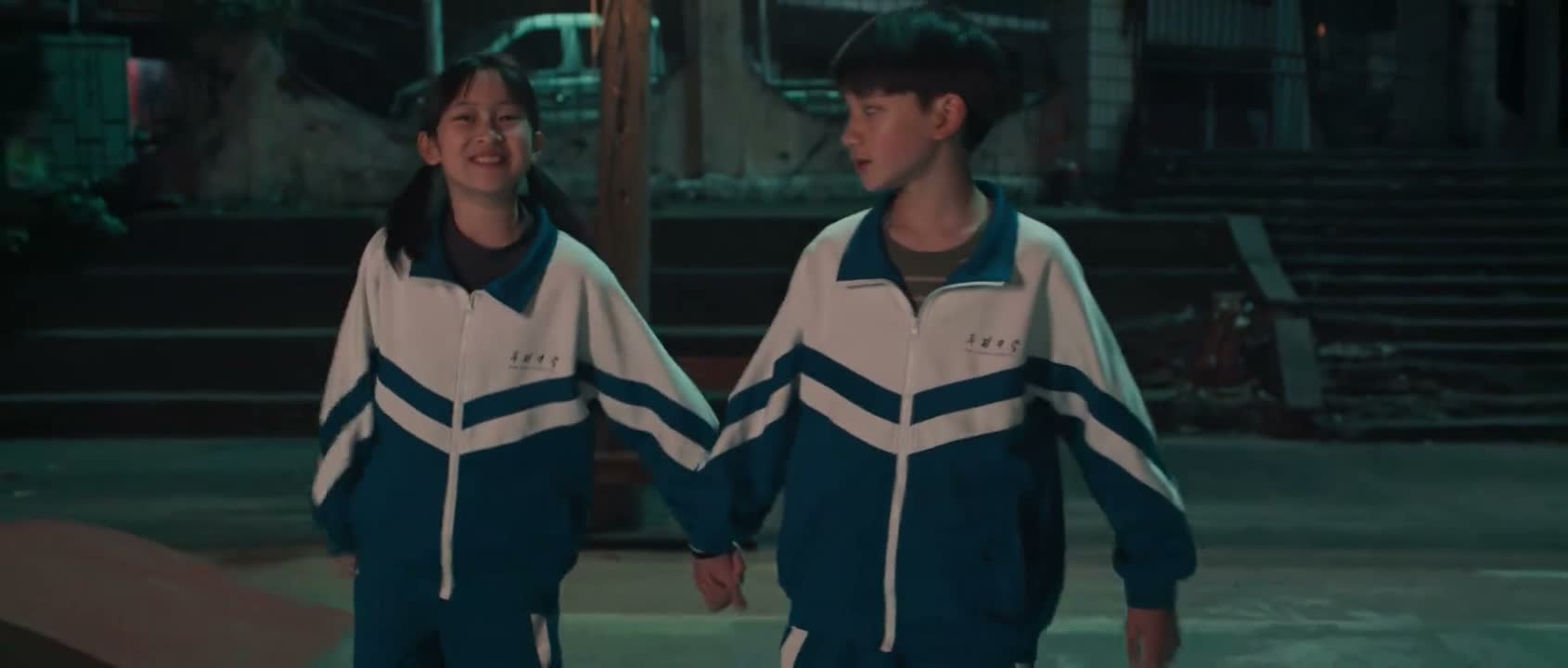
《Vanished Name》 S1·E26 (30:00) · Authentic Cinema Dialogue Corpus