《Archives: The Nanyang Mystery》 S1·E26 (19:27)
HSK 5
wǒ shàng bèi zi shì qiàn tā men de ma
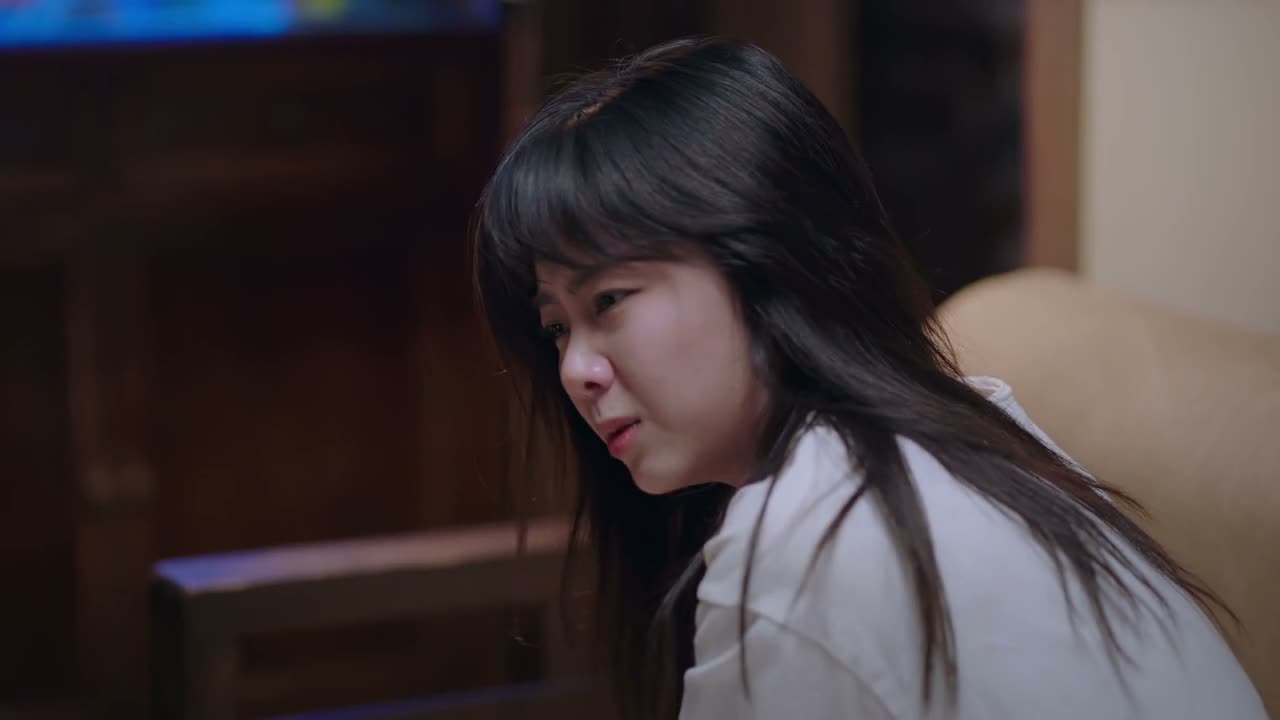
我上辈子是欠他们的吗
“Did I owe them in my past life?”
《Archives: The Nanyang Mystery》
S1·E26
TIMECODE: 19:27
·
1080P MASTER AUDIO
THE DIALOGUE REEL
[-1] PREVIOUS TURN
zǒu
走
“Let's go.”
wǒ shàng bèi zi shì qiàn tā men de ma
CURRENT FOCUS
我上辈子是欠他们的吗
“Did I owe them in my past life?”
[+1] FOLLOW-UP TURN
lǎo bǎn
老板
“Sir,”
Subtitles synced to millisecond timecode
Browse Show Clips →
Scene:
Daily Life
Function:
COMPLAINING
Tone:
IMPATIENT
Emotion:
FRUSTRATION
WHAT THEY REALLY MEAN (PRAGMATIC SUBTEXT)
“Why do I always have to deal with their endless trouble? I am sick of it.”
💡 Cultural Insight: Karmic Debt in Colloquial Complaints
Invoking karmic debt from a past life (前世冤债) is a common cultural trope in Chinese to humorously or bitterly explain disproportionate, unrewarded burdens.
INTENT TAGS:
#complaint
#frustration
#rhetorical_question
#karmic_debt
🧩
2 CHUNKS · 1 PARTICLES
LEARNING CHUNKS & PARTICLES
上辈子
SPOKEN CHUNK
previous life / past reincarnation
Commonly invoked in complaints or romantic contexts to explain persistent destiny or troublesome obligations.
欠他们的
SPOKEN CHUNK
owe them (a debt)
A rhetorical idiom expressing indignation at being expected to constantly serve or accommodate others.
Modal Particle「吗」 (ma)
CHANGE OF STATE
Marks the rhetorical question, emphasizing grievance rather than seeking an answer.
CROSS-CINEMA CORPUS BOARD · PARALLEL SCENES
EXPLORE BY SEMANTIC SIMILARITY
Parallel Spoken Cinema Scenes (语义近邻切片)
《Archives: The Nanyang Mystery》 S1·E26 (19:27) · Authentic Cinema Dialogue Corpus