MC
MandarinClips Cinema Corpus
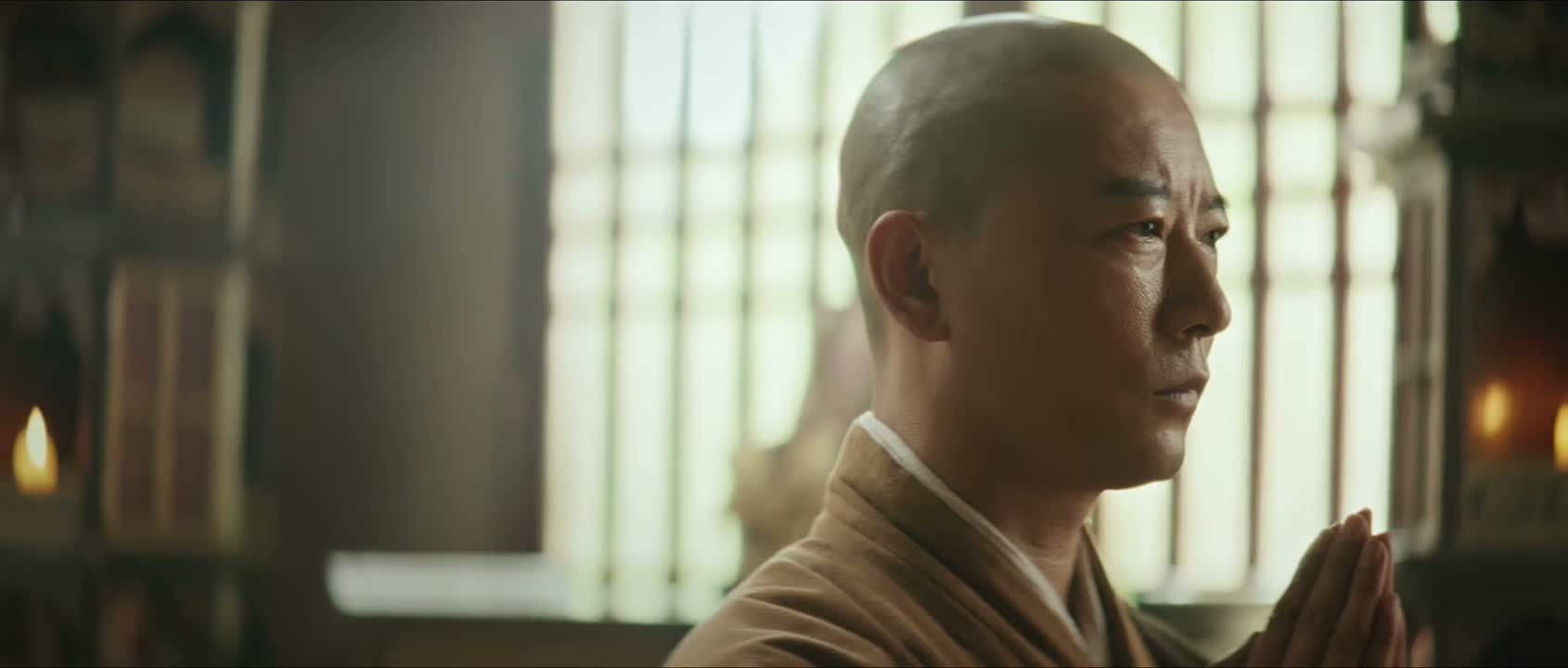
《Light to the Night》 S1·E28 (11:54) HSK 7
wèi yī jǐ sī yù gōng rán fàn xià duō qǐ è xíng

为一己私欲 公然犯下多起恶行

“For your own selfish desires, you've openly committed numerous atrocities.”

《Light to the Night》 S1·E28
TIMECODE: 11:54 · 1080P MASTER AUDIO

THE DIALOGUE REEL

1+1+1 SPOKEN CONTINUITY
[-1] PREVIOUS TURN xú méng nǐ yǐ jīng sàng xīn bìng kuáng háo wú rén xìng

“Xu Meng, you have lost your mind and all humanity.”

wèi yī jǐ sī yù gōng rán fàn xià duō qǐ è xíng CURRENT FOCUS

为一己私欲 公然犯下 多起恶行

“For your own selfish desires, you've openly committed numerous atrocities.”

[+1] FOLLOW-UP TURN shǒu duàn cán rěn xìng zhì è liè cán hài le nà me duō rén nà me duō jiā tíng

手段残忍 性质恶劣 残害了那么多人 那么多家庭

“Your methods were cruel, and your crimes heinous. You've harmed so many people and so many families.”

Subtitles synced to millisecond timecode Browse Show Clips →
Scene: Legal & Police
Function: CONDEMNING
Tone: SOLEMN
Emotion: ANGER
WHAT THEY REALLY MEAN (PRAGMATIC SUBTEXT)

Direct spoken expression in this communicative setting.

💡 Cultural Insight: Judicial Condemnation Rhetoric

Chinese legal and moral discourse frequently employs balanced, four-character idioms to construct an authoritative, solemn rebuke against criminal misconduct.

INTENT TAGS: #condemnation #accusation #denouncing #formal_rebuke
🧩

LEARNING CHUNKS & PARTICLES

2 CHUNKS · 0 PARTICLES
一己私欲 SPOKEN CHUNK

one's own selfish desires

A literary four-character idiom (chengyu) often used in moral reprimands, media reports, and legal proceedings to highlight selfishness.

公然 SPOKEN CHUNK

openly; blatantly; in broad daylight

An adverb used to describe brazen wrongdoing conducted without shame or fear of consequences.
🏮

VOCABULARY & EXPRESSIONS

2 EXPR · 0 GRAMMAR
CROSS-CINEMA CORPUS BOARD · PARALLEL SCENES

Parallel Spoken Cinema Scenes (语义近邻切片)

EXPLORE BY SEMANTIC SIMILARITY
《Light to the Night》 S1·E28 (11:54) · Authentic Cinema Dialogue Corpus