你见着你们旅长尸首了吗
“Did you see your brigade commander's body?”
THE DIALOGUE REEL
行了
“Enough.”
你 见着你们 旅长尸首了吗
“Did you see your brigade commander's body?”
你亲眼见到了吗 他让我走的时候 我回头看了一眼
“Did you see it with your own eyes? When he told me to go, I looked back.”
“Don't tell me he died unless you physically saw his dead body with your own eyes.”
In Chinese military culture, confirming a leader's death requires seeing the corpse (尸首) to eliminate the possibility of treason, surrender, or desertion.
LEARNING CHUNKS & PARTICLES
corpse / body of a deceased person
A traditional, vernacular term for a human corpse, common in historical or wartime contexts.
to catch sight of / to see
Northern colloquial variant of 看见 or 见到, indicating successful visual perception.
Forms a straightforward inquiry seeking confirmation.
Indicates completed action or the realization of the event inquired about.
VOCABULARY & EXPRESSIONS
Parallel Spoken Cinema Scenes (语义近邻切片)
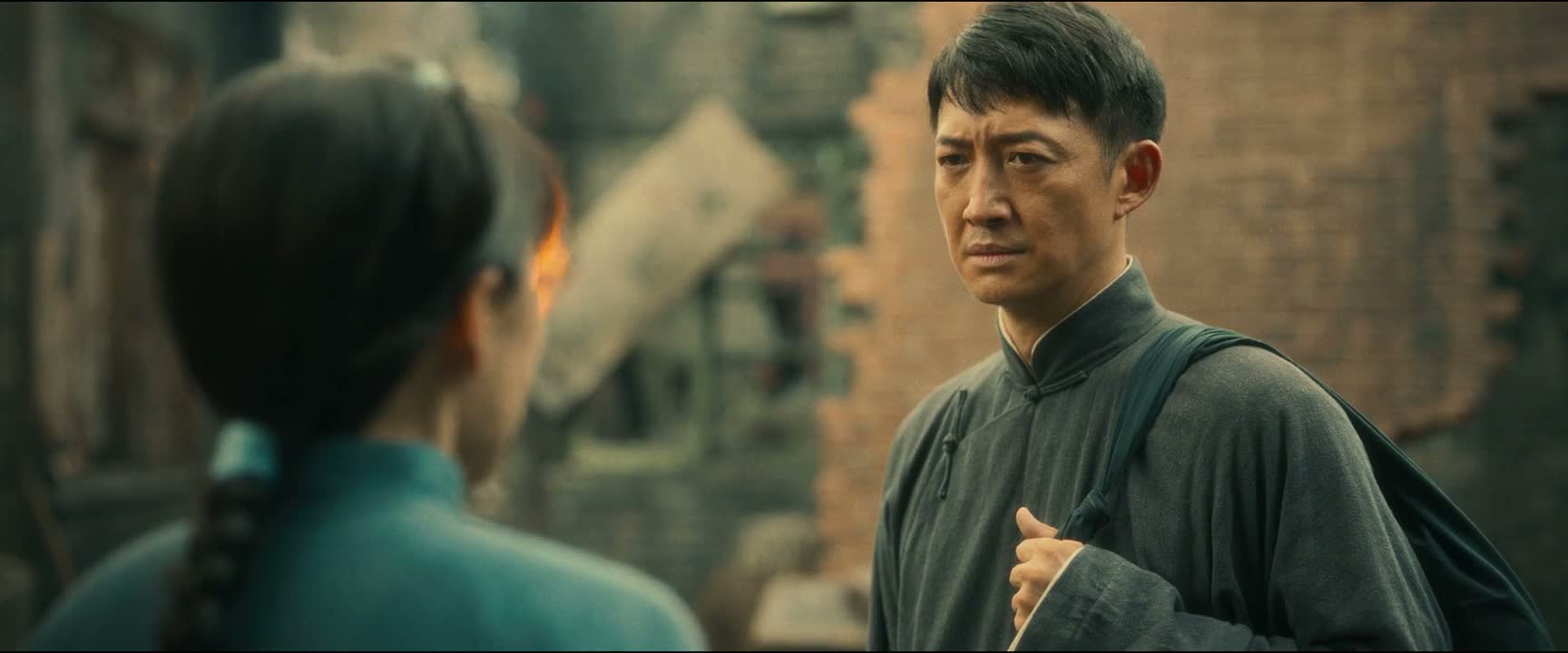
“As the Brigade Commander, you came back alive.”

“Do you think your Brigade Commander died to save a worm like you?”
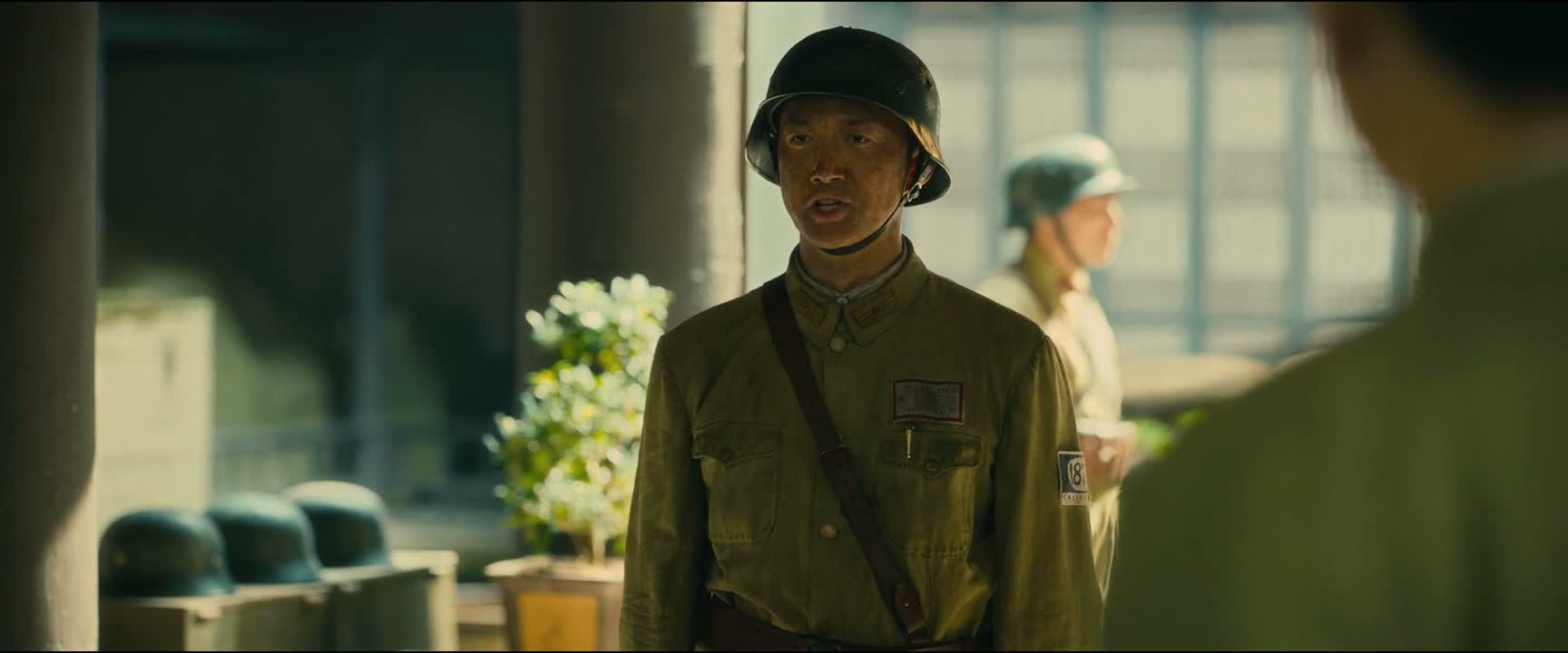
“Now I'm your brigade commander.”

“Tell me your brigade commander's orders.”
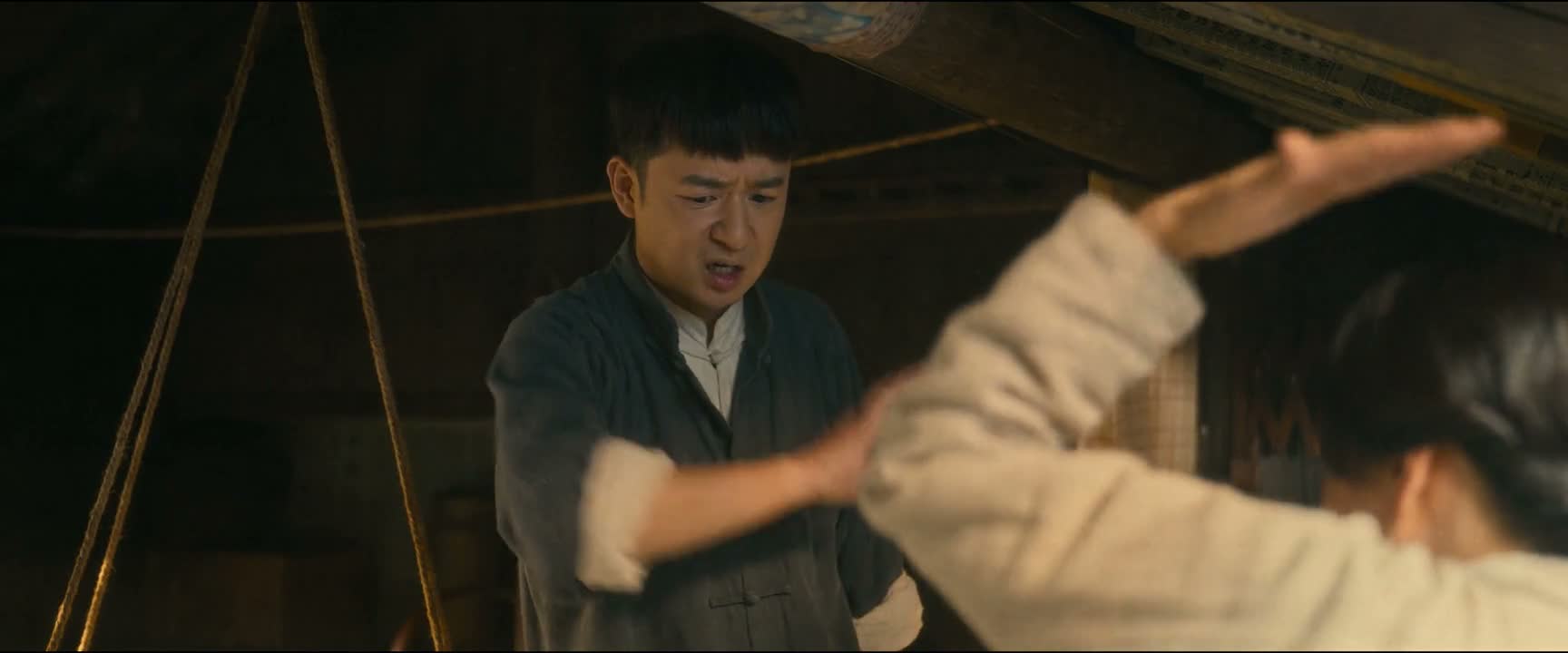
“He's not the same kind of person as you, the brigade commander, and Great-grandfather. Not at all.”
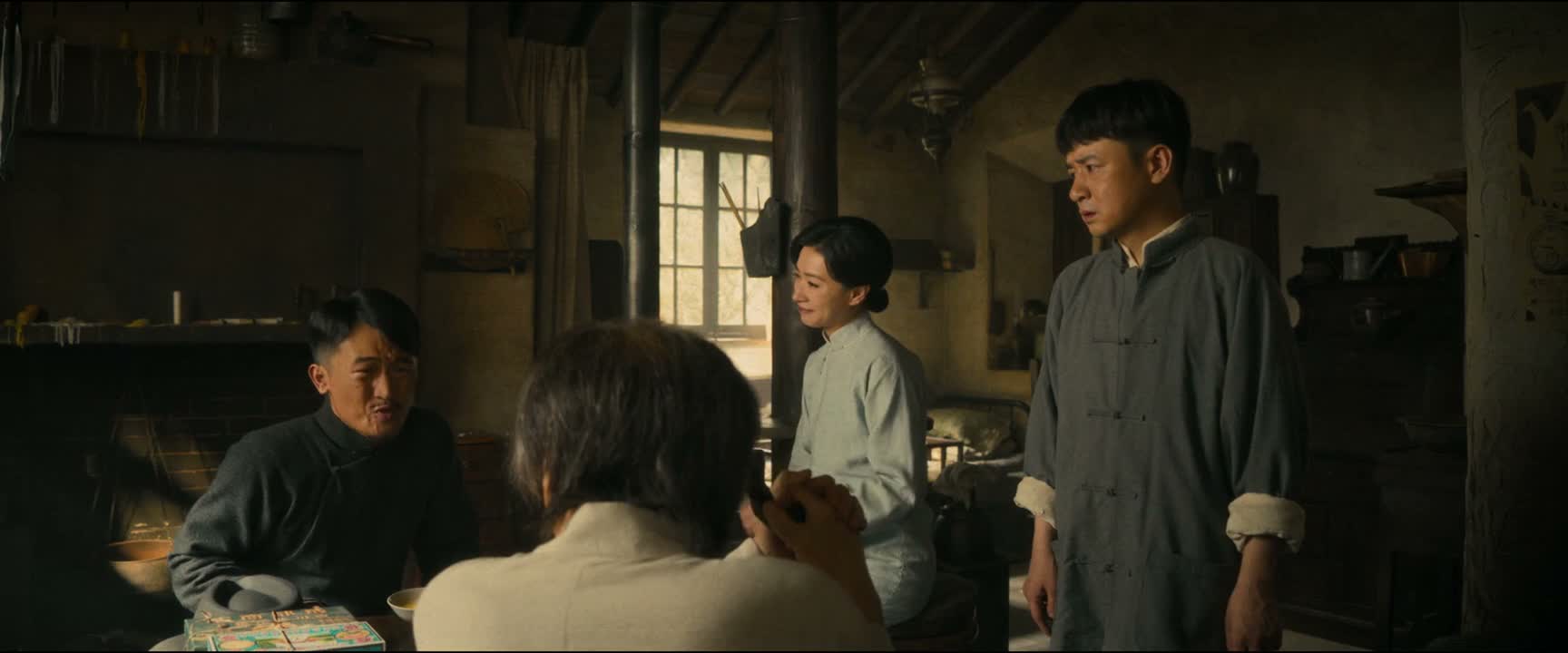
“our brigade commander is the real hero.”