《Pursuit of Jade》 S1·E2 (30:05)
HSK 4
nǐ diē niáng zěn me sǐ de
你爹娘怎么死的
“How did they pass away?”
《Pursuit of Jade》
S1·E2
TIMECODE: 30:05
·
1080P MASTER AUDIO
THE DIALOGUE REEL
[-1] PREVIOUS TURN
wǒ diē niáng jiù yǐ jīng bù zài le
我爹娘就已经不在了
“were gone when I was little.”
nǐ diē niáng zěn me sǐ de
CURRENT FOCUS
你爹娘 怎么死的
“How did they pass away?”
[+1] FOLLOW-UP TURN
zhàn luàn ér sǐ
战乱而死
“War took their lives.”
Subtitles synced to millisecond timecode
Browse Show Clips →
Scene:
Daily Life
Function:
PROBING
Tone:
BLUNT
Emotion:
CURIOSITY
WHAT THEY REALLY MEAN (PRAGMATIC SUBTEXT)
Direct spoken expression in this communicative setting.
💡 Cultural Insight: Directness vs. Tact in Grief Inquiries
Using the plain verb '死' (die) instead of respectful euphemisms like '去世' signals either extreme familiarity, low social tact, or an interrogative tone.
INTENT TAGS:
#probing
#direct_questioning
#bluntness
🧩
1 CHUNKS · 0 PARTICLES
LEARNING CHUNKS & PARTICLES
怎么死的
SPOKEN CHUNK
how (did someone) die
Very direct and colloquial; can sound insensitive or harsh when discussing someone's loved ones compared to '去世'.
🏮
1 EXPR · 0 GRAMMAR
VOCABULARY & EXPRESSIONS
COLLOQUIAL EXPRESSIONS:
CROSS-CINEMA CORPUS BOARD · PARALLEL SCENES
EXPLORE BY SEMANTIC SIMILARITY
Parallel Spoken Cinema Scenes (语义近邻切片)
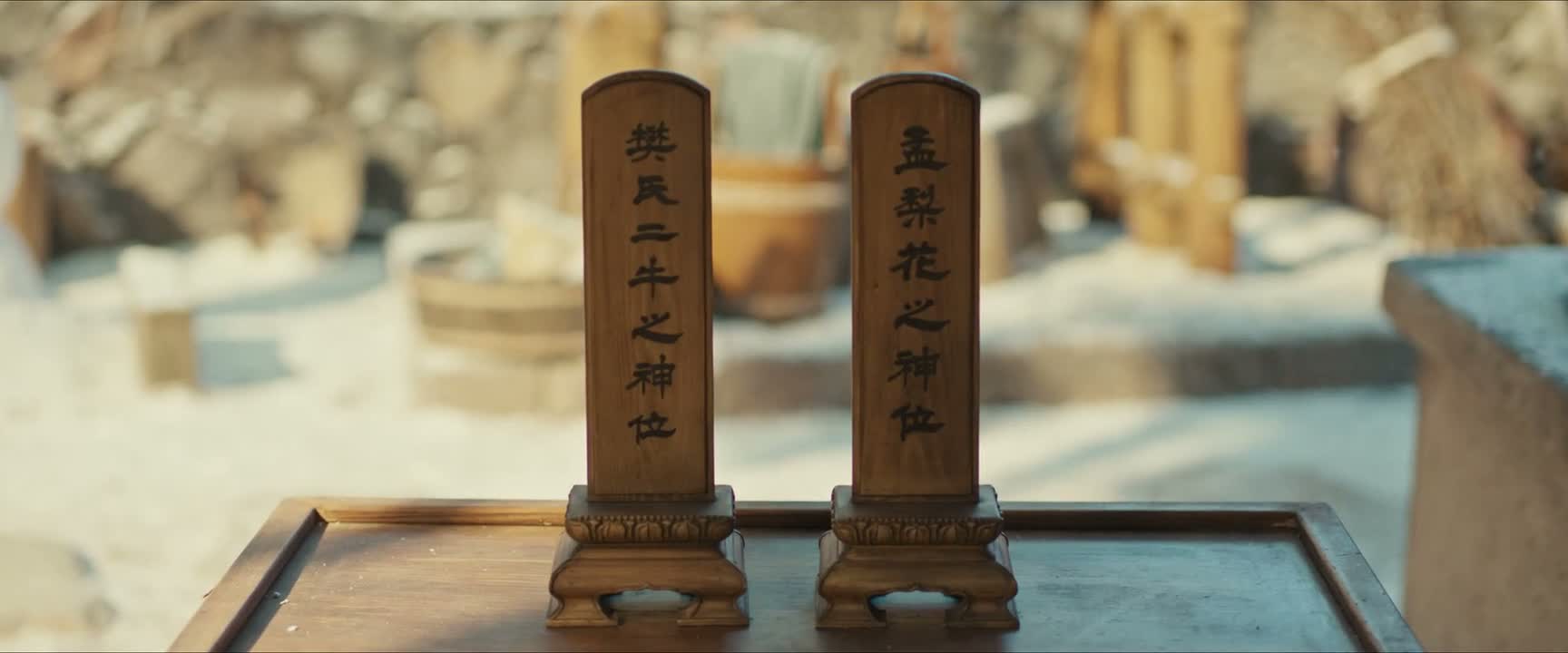

《Pursuit of Jade》 S1·E2 (30:05) · Authentic Cinema Dialogue Corpus