MC
MandarinClips Cinema Corpus
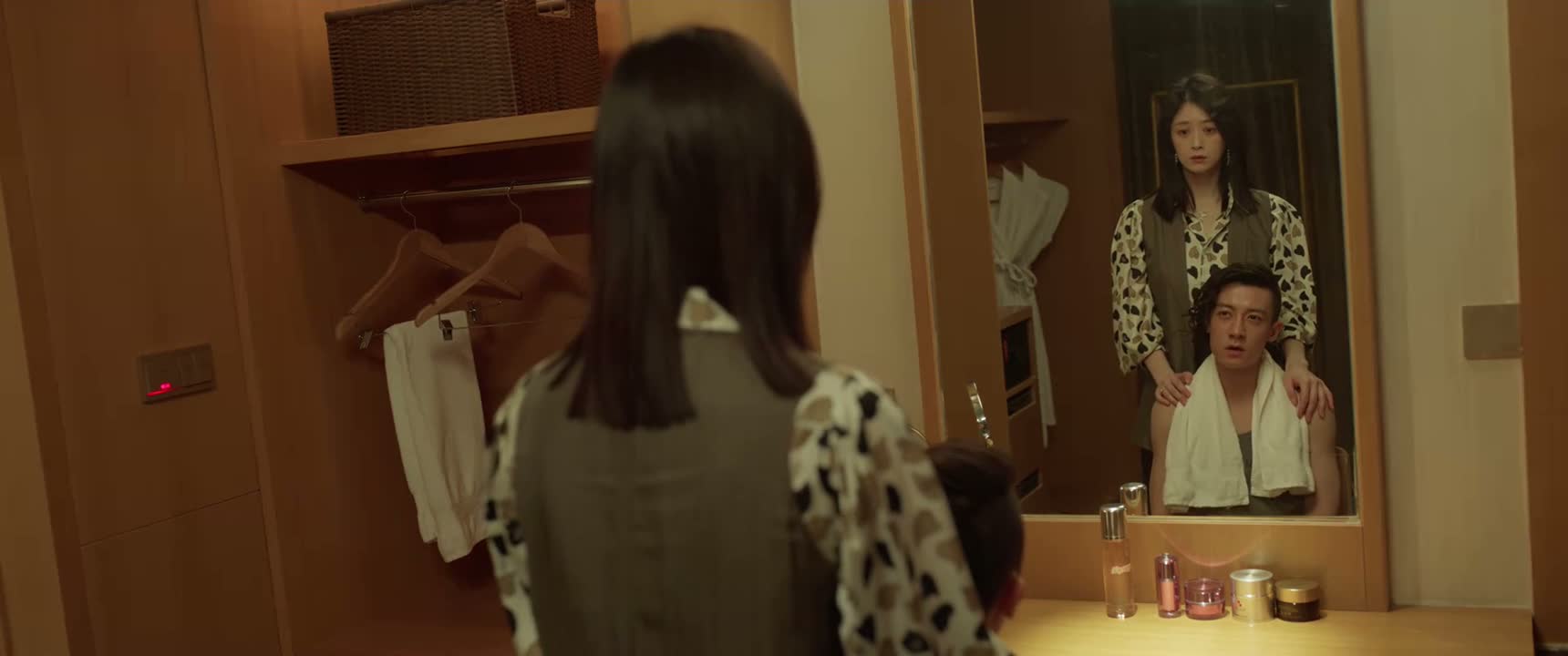
《Archives: The Nanyang Mystery》 S1·E17 (22:10) HSK 2
nǐ zhè shì méi shì ma wǒ shuō méi shì jiù shì méi shì

你这是没事吗 我说没事就是没事

“You call this fine? I said I'm fine, so I am fine.”

《Archives: The Nanyang Mystery》 S1·E17
TIMECODE: 22:10 · 1080P MASTER AUDIO

THE DIALOGUE REEL

1+1+1 SPOKEN CONTINUITY
[-1] PREVIOUS TURN nǐ méi shì nǐ méi

你没事 你没

“Fine? You're fine?”

nǐ zhè shì méi shì ma wǒ shuō méi shì jiù shì méi shì CURRENT FOCUS

你这是没事吗 我说没事就是没事

“You call this fine? I said I'm fine, so I am fine.”

[+1] FOLLOW-UP TURN lǎo dà lǎo dà lǎo dà yuán bǎo kū le yuán bǎo kū le xíng le

老大 老大 老大 元宝哭了 元宝哭了 行了

“-Chief! -Chief! Chief! Yuanbao is crying. Yuanbao is crying. Alright.”

Subtitles synced to millisecond timecode Browse Show Clips →
Scene: Crisis & Conflict
Function: DISMISSING CONCERN
Tone: DEFENSIVE
Emotion: ANGER
WHAT THEY REALLY MEAN (PRAGMATIC SUBTEXT)
“Mind your own business and back off, I won't admit weakness.”
💡 Cultural Insight: Asserting Toughness (Chenggqiang)

Refusing to acknowledge pain or trouble is a common way to preserve pride, authority, or face in tense interpersonal encounters.

INTENT TAGS: #defensiveness #shutting_down #denial #assertiveness
🧩

LEARNING CHUNKS & PARTICLES

2 CHUNKS · 1 PARTICLES
你这是 SPOKEN CHUNK

is this what you call... / what is this supposed to mean

A common conversational opener used to challenge an obvious contradiction or strange behavior.

我说没事就是没事 SPOKEN CHUNK

when I say it's fine, it's fine

An assertive emphatic pattern ('我说X就是X') used to assert authority and shut down debate.

Modal Particle「吗」 (ma) CHANGE OF STATE

Forms a rhetorical question that challenges the truth of the situation.
🏮

VOCABULARY & EXPRESSIONS

2 EXPR · 0 GRAMMAR
CROSS-CINEMA CORPUS BOARD · PARALLEL SCENES

Parallel Spoken Cinema Scenes (语义近邻切片)

EXPLORE BY SEMANTIC SIMILARITY
《Archives: The Nanyang Mystery》 S1·E17 (22:10) · Authentic Cinema Dialogue Corpus