MC
MandarinClips Cinema Corpus
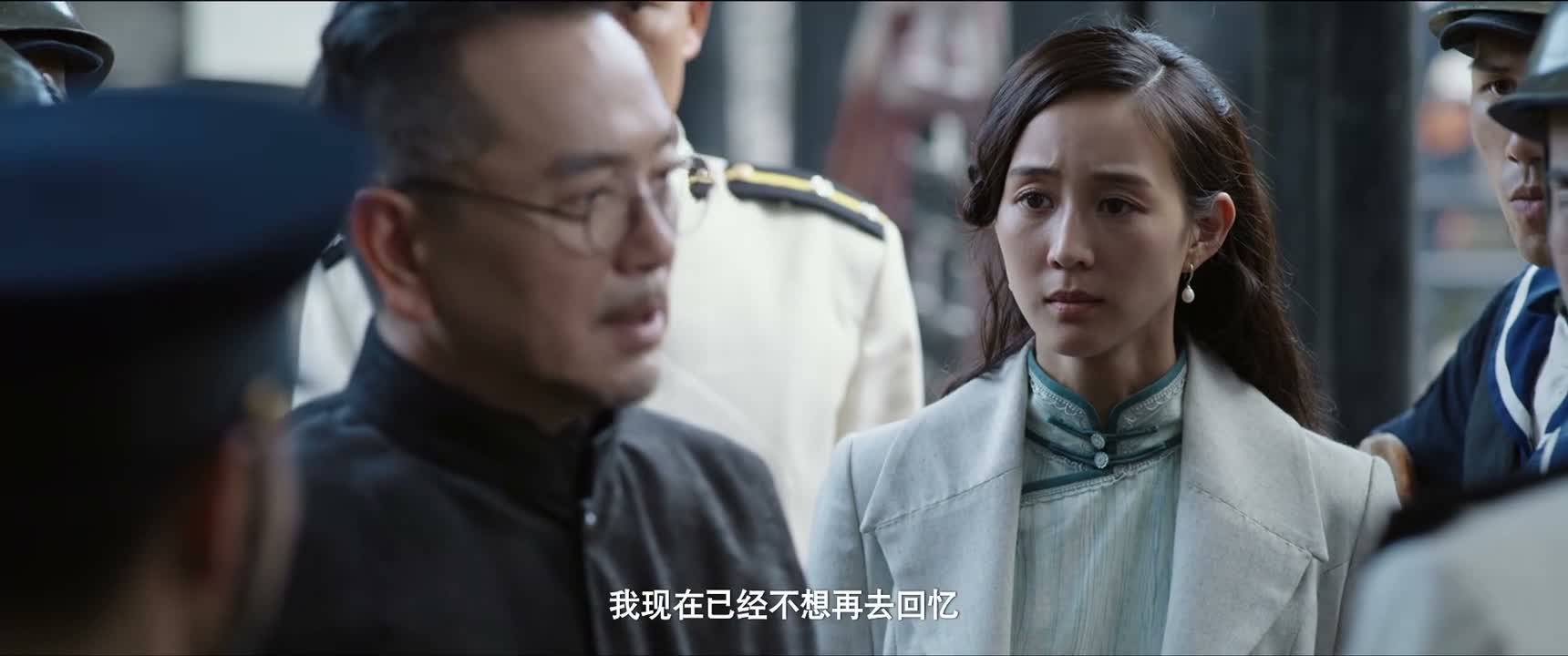
《Go Ahead》 S1·E7 (13:48) HSK 4
nǐ bié wèn wǒ zhè ge le wǒ bù xiǎng huí yì zhè ge

你别问我这个了 我不想回忆这个

“Stop asking me about it. I don't want to recall it.”

《Go Ahead》 S1·E7
TIMECODE: 13:48 · 1080P MASTER AUDIO

THE DIALOGUE REEL

1+1+1 SPOKEN CONTINUITY
[-1] PREVIOUS TURN wǒ zhēn de hěn hài pà nà ge yī shēng dōu ná chuí zi qiāo wǒ

我真的很害怕 那个医生都拿锤子敲我

“I was really scared. That doctor hit me with a hammer.”

nǐ bié wèn wǒ zhè ge le wǒ bù xiǎng huí yì zhè ge CURRENT FOCUS

你 别问我这个 了 我不想 回忆这个

“Stop asking me about it. I don't want to recall it.”

[+1] FOLLOW-UP TURN zhōu wǔ de kè táng bǐ jì

“The class notes on this Friday,”

Subtitles synced to millisecond timecode Browse Show Clips →
Scene: School & Education
Function: SETTING BOUNDARIES
Tone: DEFENSIVE
Emotion: ANXIETY
WHAT THEY REALLY MEAN (PRAGMATIC SUBTEXT)

Direct spoken expression in this communicative setting.

💡 Cultural Insight: Boundary Drawing in Intimate Circles

Among close Chinese friends or family, emotional boundaries can be stated directly without polite hedging when one feels overwhelmed.

INTENT TAGS: #boundary_setting #deflection #refusal #emotional_defense
🧩

LEARNING CHUNKS & PARTICLES

2 CHUNKS · 1 PARTICLES
别问我 SPOKEN CHUNK

stop asking me / don't ask me

A direct colloquial command used to shut down an uncomfortable or unwelcome line of questioning.

不想回忆 SPOKEN CHUNK

don't want to recall / don't want to look back on

Used to express an unwillingness to relive unpleasant or traumatic past events.

Modal Particle「了」 (le) CHANGE OF STATE

Indicates a change of action or state, signaling a definitive stop to the ongoing questioning.
🏮

VOCABULARY & EXPRESSIONS

2 EXPR · 0 GRAMMAR
CROSS-CINEMA CORPUS BOARD · PARALLEL SCENES

Parallel Spoken Cinema Scenes (语义近邻切片)

EXPLORE BY SEMANTIC SIMILARITY
《Go Ahead》 S1·E7 (13:48) · Authentic Cinema Dialogue Corpus