MC
MandarinClips Cinema Corpus
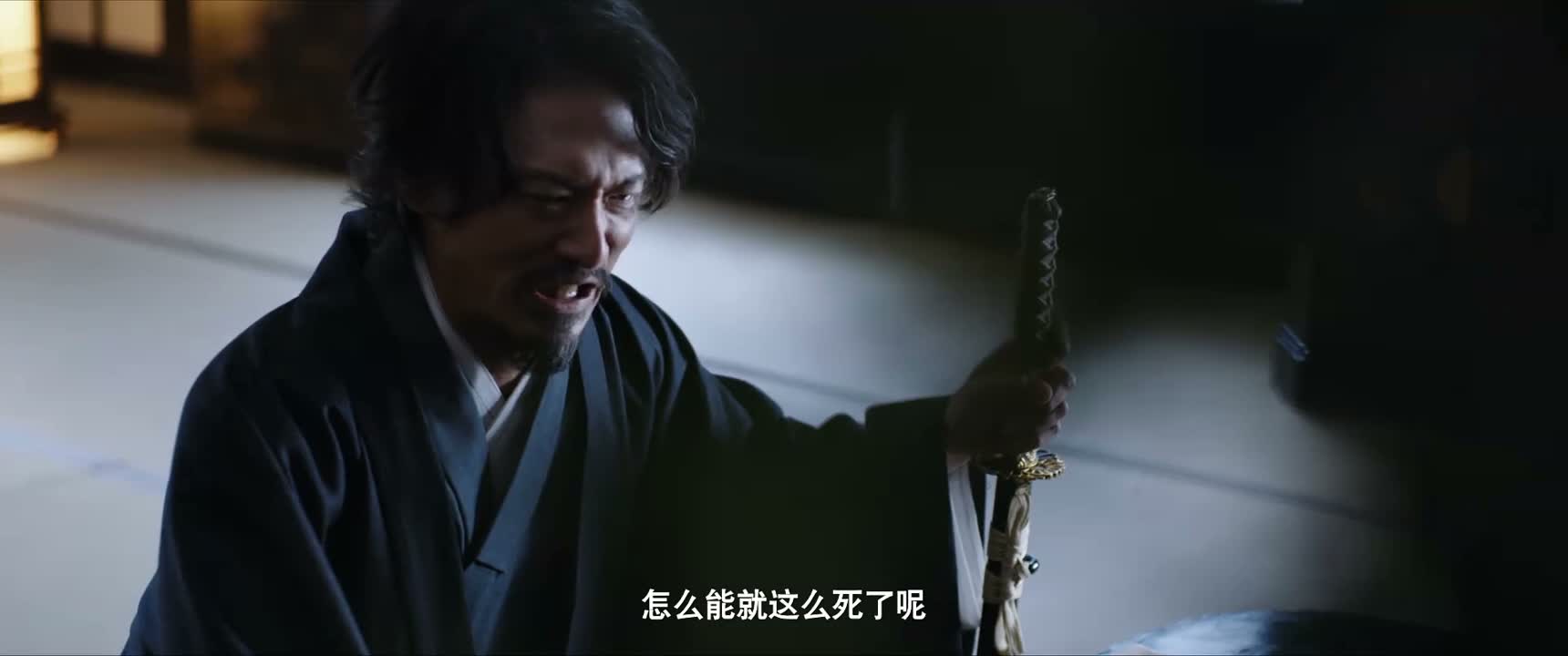
《Love Between Lines》 S1·E26 (36:46) HSK 5
bù rán gàn má yào yī sǐ liǎo zhī a

不然干吗要一死了之啊

“Otherwise, why would he choose to end his life?”

《Love Between Lines》 S1·E26
TIMECODE: 36:46 · 1080P MASTER AUDIO

THE DIALOGUE REEL

1+1+1 SPOKEN CONTINUITY
[-1] PREVIOUS TURN jiù suàn zhè shuō míng shū bú shì tā qiān de tā jiù néng tuō dé le zuì zé ma

就算这说明书不是他签的 他就能脱得了罪责吗

“Even if he didn't sign this document, could he really escape responsibility?”

bù rán gàn má yào yī sǐ liǎo zhī a CURRENT FOCUS

不然干吗 要 一死了之 啊

“Otherwise, why would he choose to end his life?”

[+1] FOLLOW-UP TURN wǒ bà

我爸

“Is it really true...”

Subtitles synced to millisecond timecode Browse Show Clips →
Scene: Crisis & Conflict
Function: RHETORICAL QUESTION
Tone: ACCUSATORY
Emotion: ANGER
WHAT THEY REALLY MEAN (PRAGMATIC SUBTEXT)
“If he were truly innocent, he wouldn't have killed himself to escape the consequences.”
💡 Cultural Insight: Suicide as Admission of Guilt

In Chinese legal and social discourse, a suspect's suicide is frequently interpreted by the public as 'dying to escape punishment' (畏罪自杀), implicitly confirming guilt.

INTENT TAGS: #accusing #rebuttal #interrogation #provocation
🧩

LEARNING CHUNKS & PARTICLES

2 CHUNKS · 1 PARTICLES
一死了之 SPOKEN CHUNK

to end everything by dying; to settle matters through suicide

A common idiomatic phrase often carrying a critical or cynical nuance toward committing suicide to escape trouble.

不然干吗 SPOKEN CHUNK

otherwise why would...

Used in spoken Chinese to introduce a sharp rhetorical rebuttal.

Modal Particle「啊」 (a) CHANGE OF STATE

Heightens the rhetorical sharpness and emotional conviction of the question.
🏮

VOCABULARY & EXPRESSIONS

2 EXPR · 0 GRAMMAR
CROSS-CINEMA CORPUS BOARD · PARALLEL SCENES

Parallel Spoken Cinema Scenes (语义近邻切片)

EXPLORE BY SEMANTIC SIMILARITY
《Love Between Lines》 S1·E26 (36:46) · Authentic Cinema Dialogue Corpus