得罪你的是他又不是我
“It's him who upset you, not me.”
THE DIALOGUE REEL
你也被拉黑了
“you got blocked too.”
得罪你的是他又不是我
“It's him who upset you, not me.”
“Why are you taking it out on me, Xiaoxi?”
“Don't take your anger out on me—I'm not the one who messed with you.”
In contemporary Chinese youth social media culture (such as on WeChat), 'lahei' (blocking/blacklisting) is commonly used to express extreme dissatisfaction or sever ties. During conflicts, frustration often spills over onto mutual friends, making it necessary to clarify boundaries and mediate misunderstandings.
LEARNING CHUNKS & PARTICLES
to offend; to displease; to get on someone's bad side
A high-frequency colloquial term commonly used in structures like 'dezui someone' or 'dezui le someone', indicating having provoked or upset someone through careless words or actions.
it's not as if; definitely not; by no means
Commonly used in rebuttals or self-defensive explanations to add emphasis to a self-evident negation.
VOCABULARY & EXPRESSIONS
Parallel Spoken Cinema Scenes (语义近邻切片)

“The one after you is either someone you've crossed or someone you depend on.”

“I was out of line. I apologize.”

“You didn't mean to do this.”
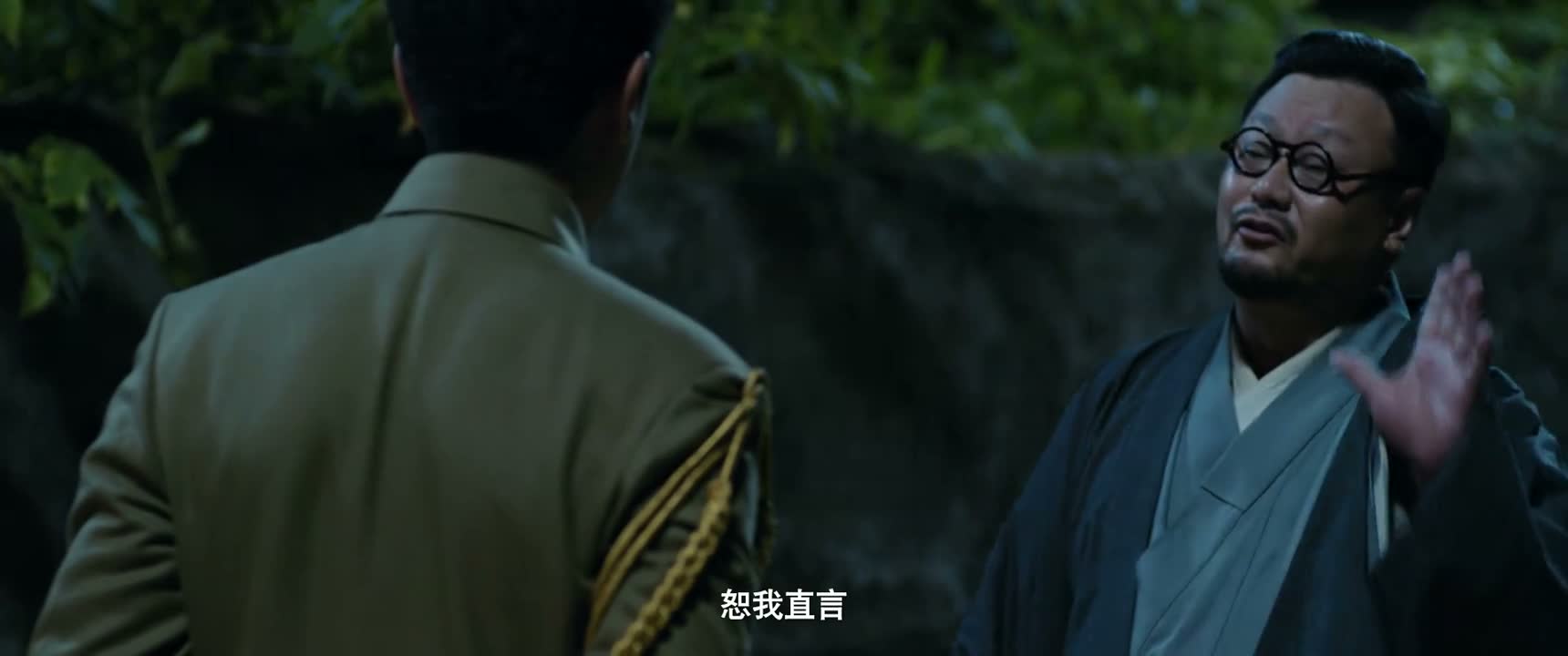
“Pardon my bluntness,”

“Wait. Who on earth did you offend?”

“Think about who you offended.”