你有权利知道我的过去
“You have the right to know my past.”
THE DIALOGUE REEL
是跟别的男人有关吧
“it's about another man, isn't it?”
你 有权利知道我的过去
“You have the right to know my past.”
什么事该问 什么事不该问
“I know what to ask and”
“I admit you deserve to know my past, but that doesn't mean you can cross the line and pry into everything.”
In contemporary Chinese romantic relationships, partners often navigate the tension between 'disclosing past history' and 'respecting personal privacy.' While acknowledging someone's 'right to know' reflects modern values of equality and transparent communication, the subsequent emphasis on 'propriety' mirrors the traditional cultural philosophy of respecting boundaries and not probing too deeply ('bu yi shen jiu').
LEARNING CHUNKS & PARTICLES
to have the right or entitlement to do something
Commonly patterned as 'A + you quan li + verb phrase.' Often used in emotional communication to acknowledge someone's right to know or mutual respect, carrying a relatively serious tone.
my past romantic history or personal background
In relationship conversations, this often specifically refers to past relationships, marital history, or sensitive personal experiences one may prefer not to dwell on.
VOCABULARY & EXPRESSIONS
Parallel Spoken Cinema Scenes (语义近邻切片)

“I have the right to know your condition.”

“Who dares to say their past”
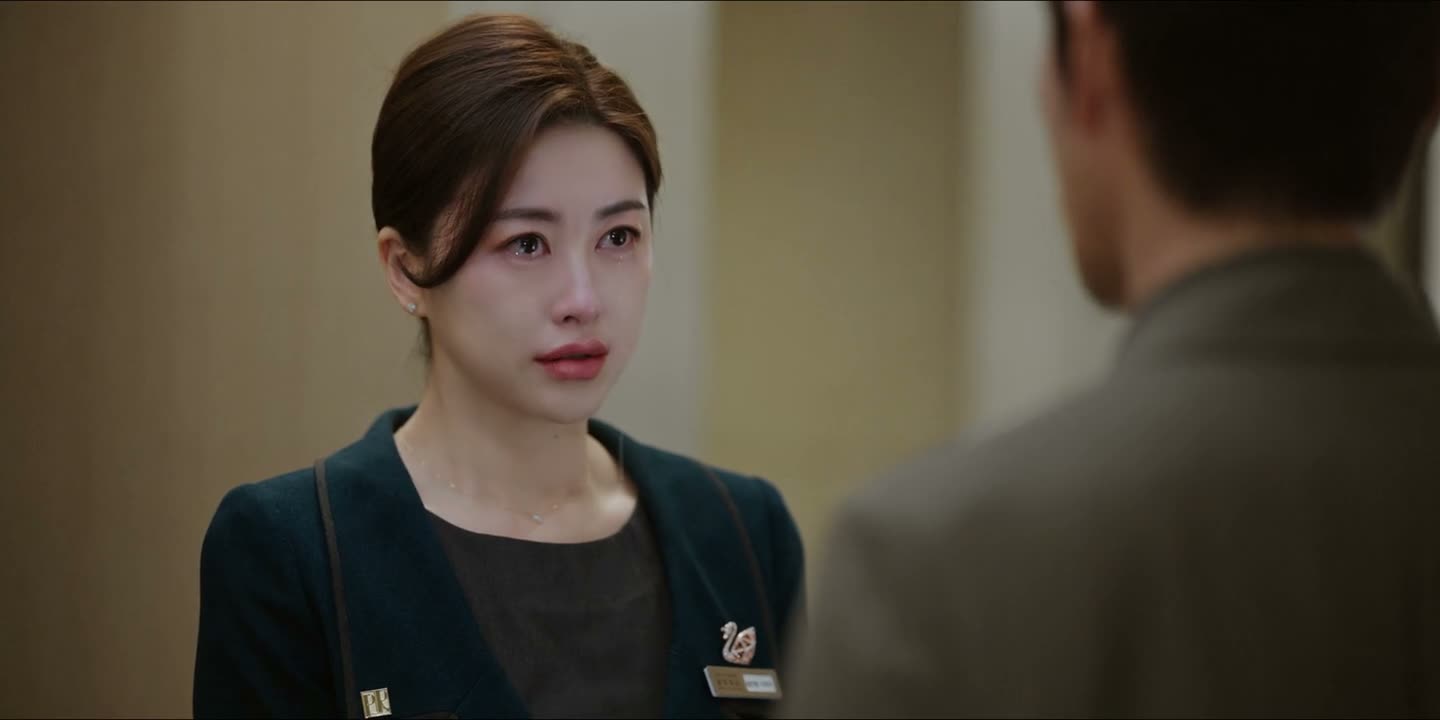
“is a right you should have.”

“you didn't respect my right to know either.”
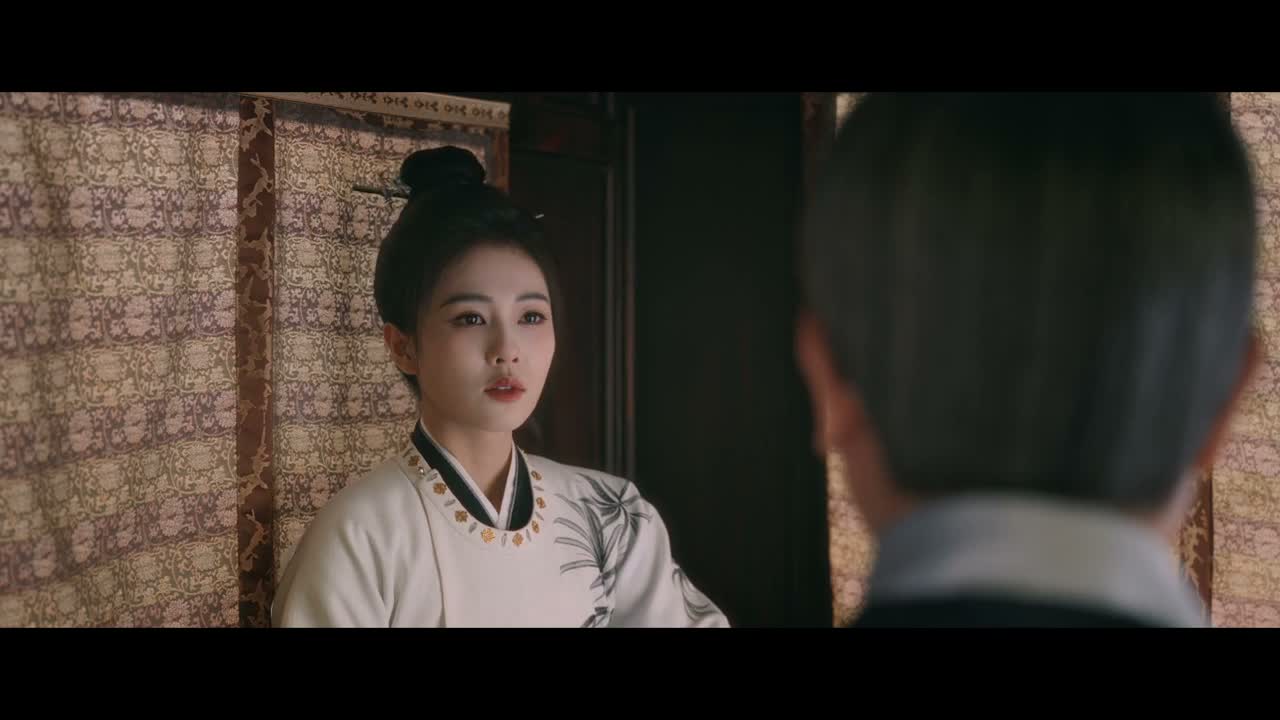
“I can't change the past.”
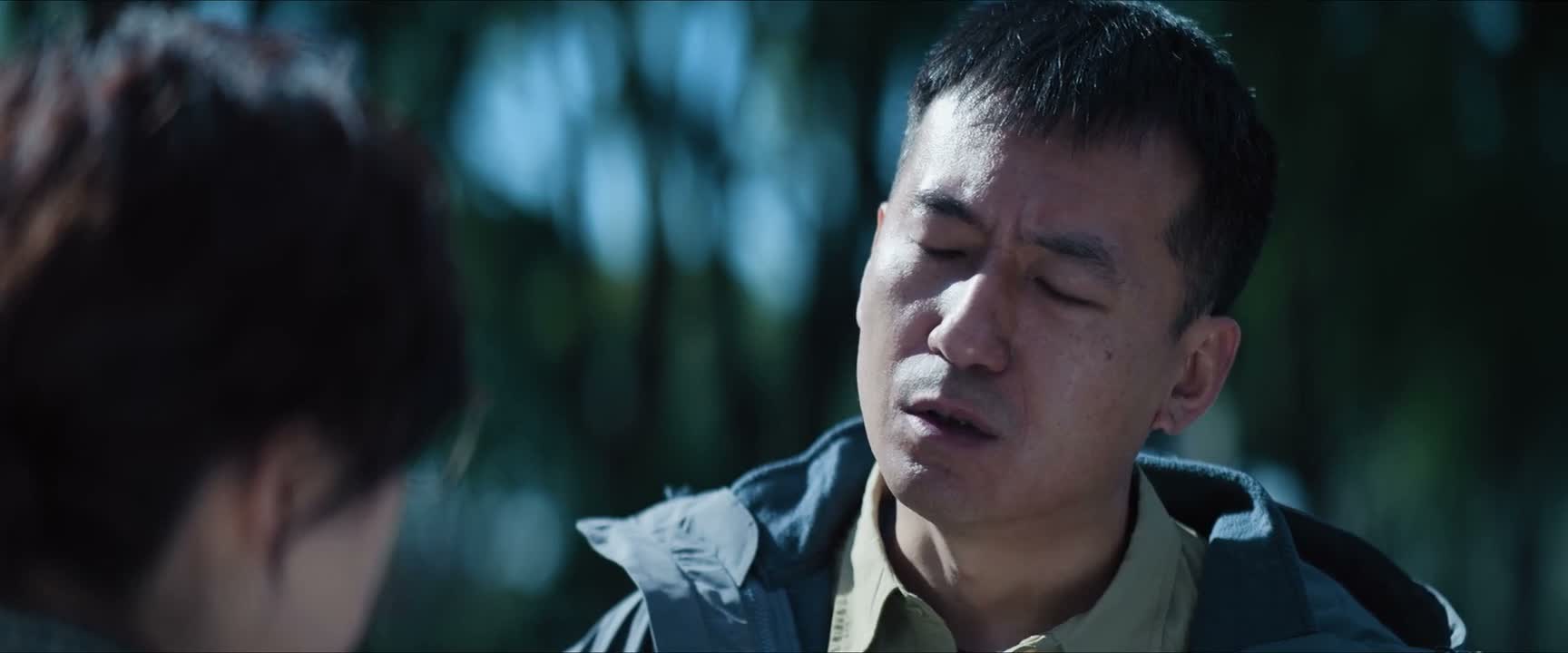
“that I don't mind her past.”