何时离开明光寺
“leave Mingguang Temple last night?”
THE DIALOGUE REEL
白芷昨夜
“What time did Bai Zhi”
何时离开 明光寺
“leave Mingguang Temple last night?”
戌时初
“During the early Xu hour.”
Direct spoken expression in this communicative setting.
In historical China, criminal inquiries tracked movements meticulously using the traditional two-hour watch system (shichen), establishing timelines to determine alibis.
LEARNING CHUNKS & PARTICLES
when / at what time
A formal, classical interrogative equivalent to spoken '什么时候', frequently used in written Chinese, period dramas, and official inquiries.
to leave / to depart from
A standard verb denoting physical departure from a location.
VOCABULARY & EXPRESSIONS
Parallel Spoken Cinema Scenes (语义近邻切片)
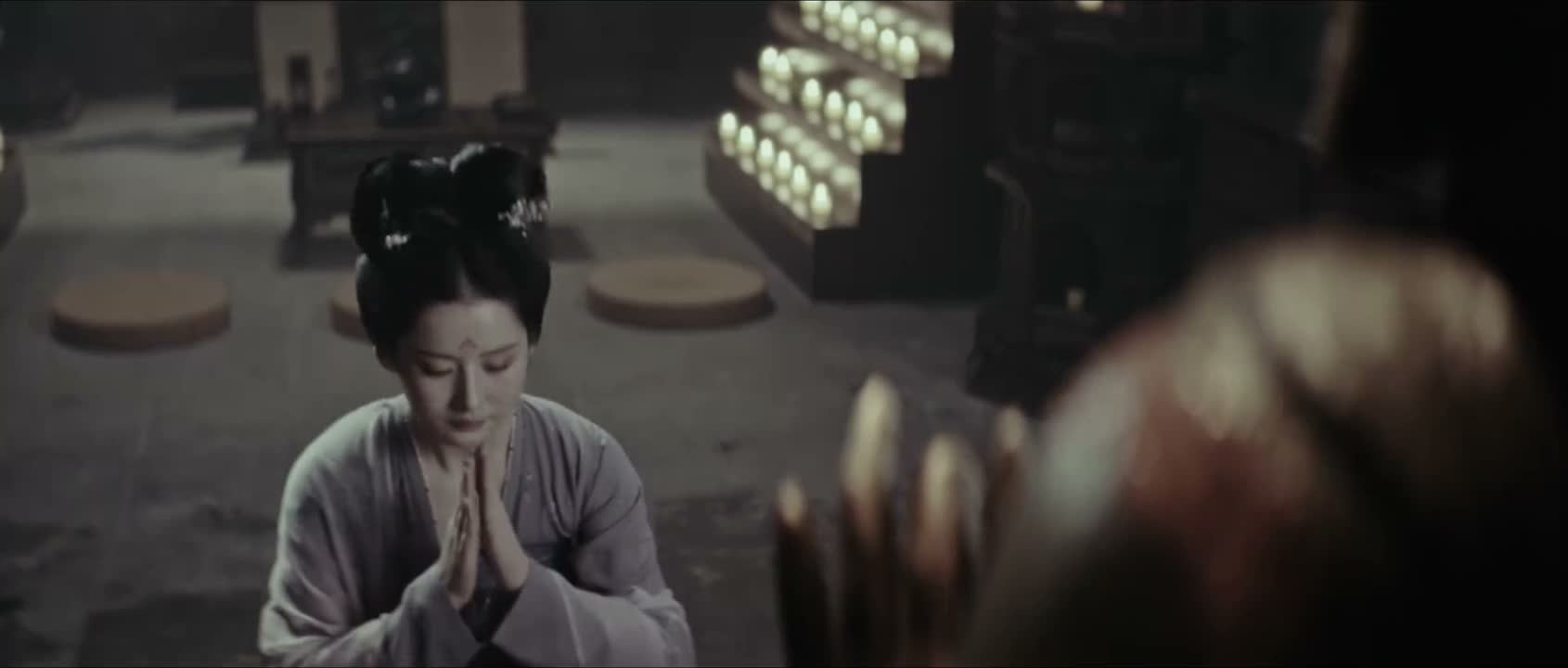
“the night before last, you were at Mingguang Temple until the Hai hour.”
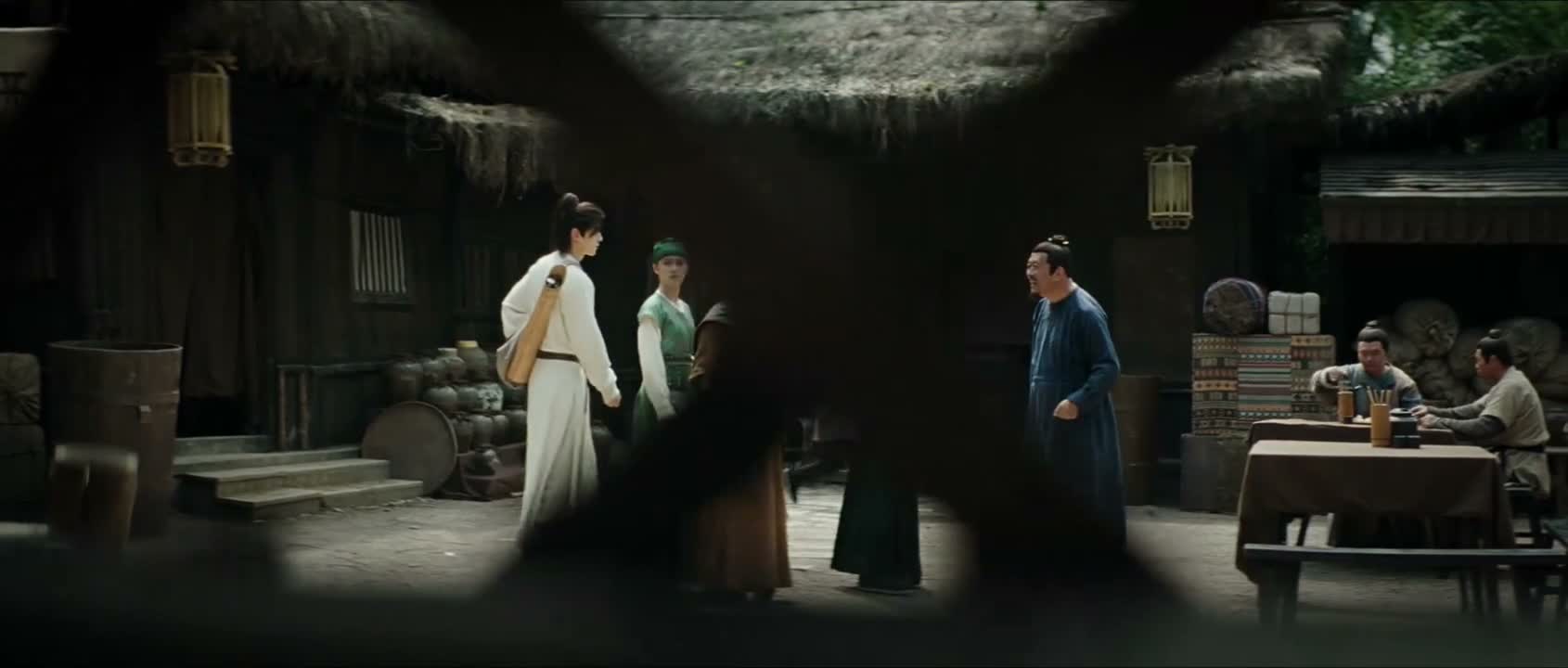
“the only route to Mingguang Temple?”
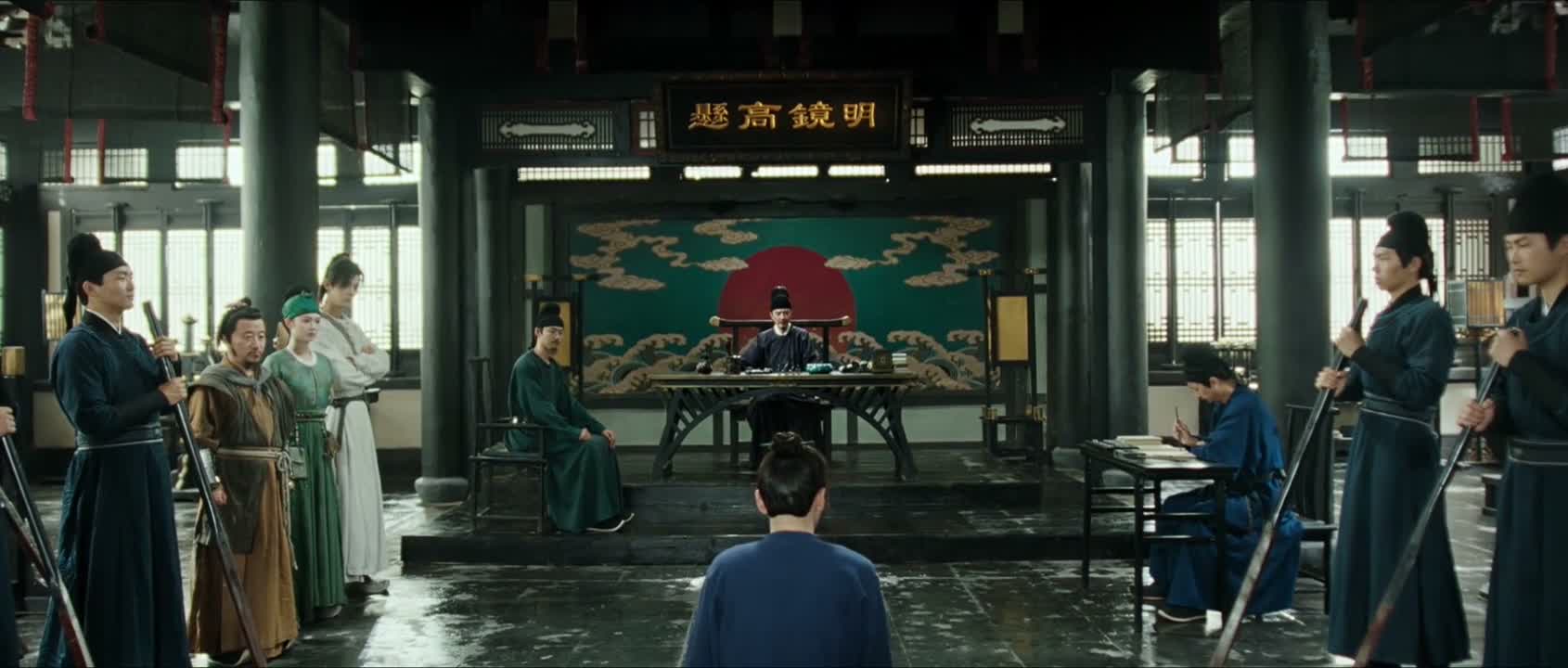
“were at Mingguang Temple together.”

“and brought to Mingguang Temple for treatment.”

“arrived at Mingguang Temple on the exact same day.”
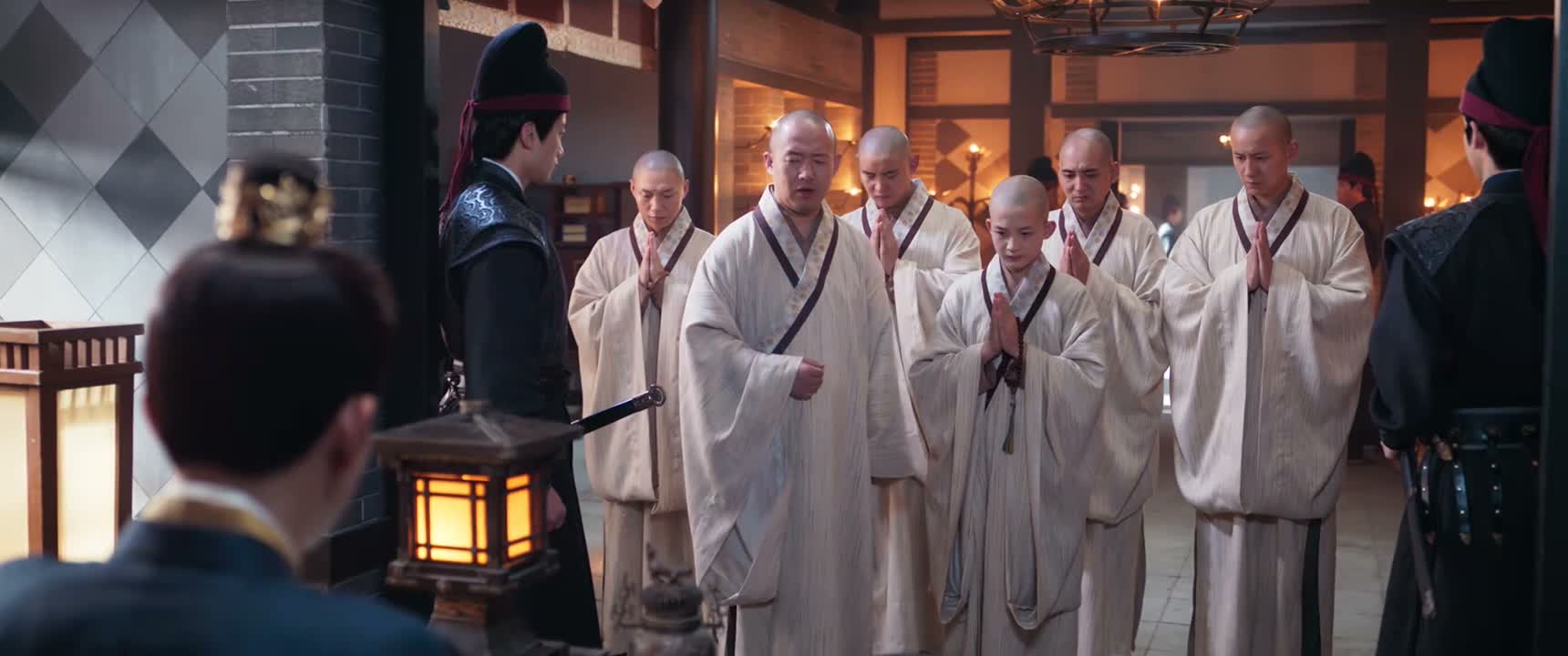
“planning to return quietly to the temple”