你可曾见到慧无
“did you see Huiwu?”
THE DIALOGUE REEL
当晚
“That night,”
你 可曾见到 慧无
“did you see Huiwu?”
不曾
“I didn't.”
Direct spoken expression in this communicative setting.
Modern historical dramas frequently employ classical functional words like '可曾' (have you ever) and negative replies like '不曾' to establish ancient period decorum.
LEARNING CHUNKS & PARTICLES
ever; have you ever
A formal and literary interrogative adverb used predominantly in period dramas or high-formality investigative questioning.
to catch sight of; to see
A resultative verb compound combining '见' (to look/see) with '到' (indicating success in perceiving).
VOCABULARY & EXPRESSIONS
Parallel Spoken Cinema Scenes (语义近邻切片)

“Do you remember…”
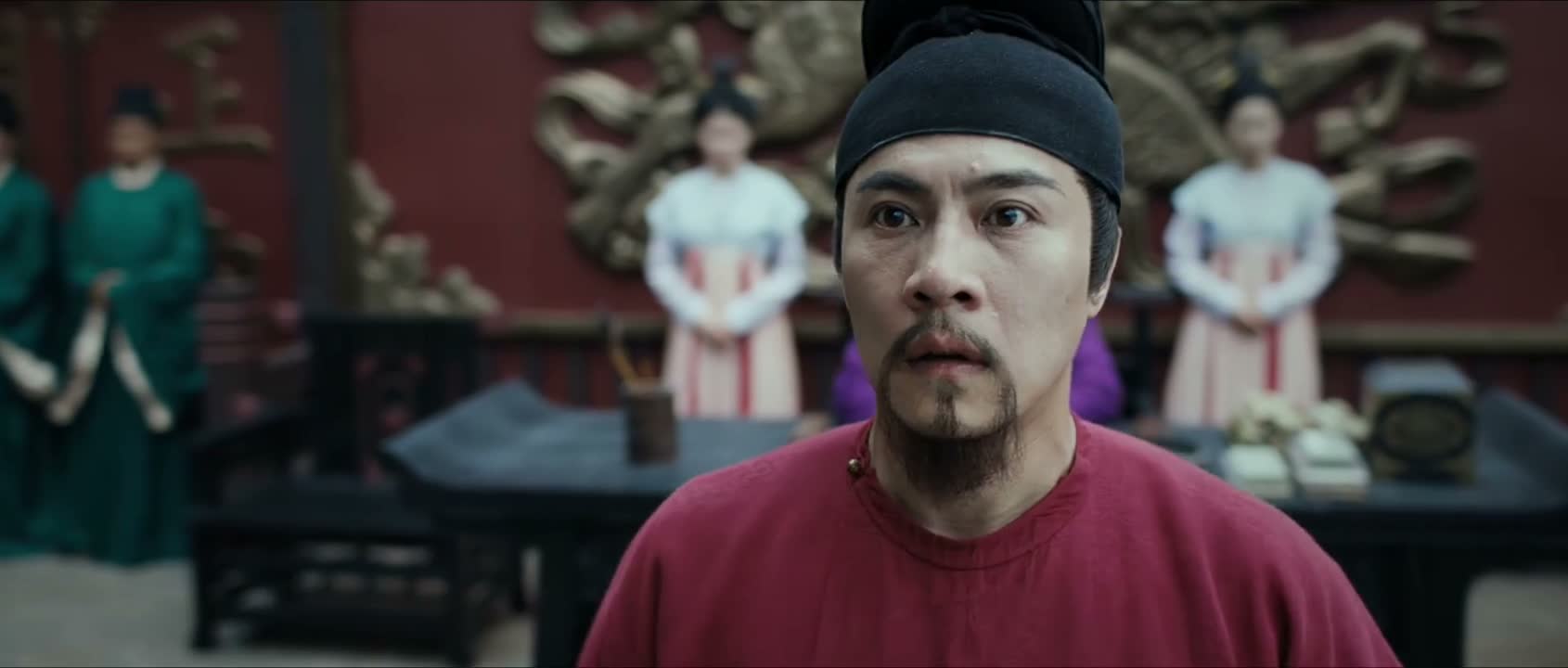
“Did you fulfill your duty?”
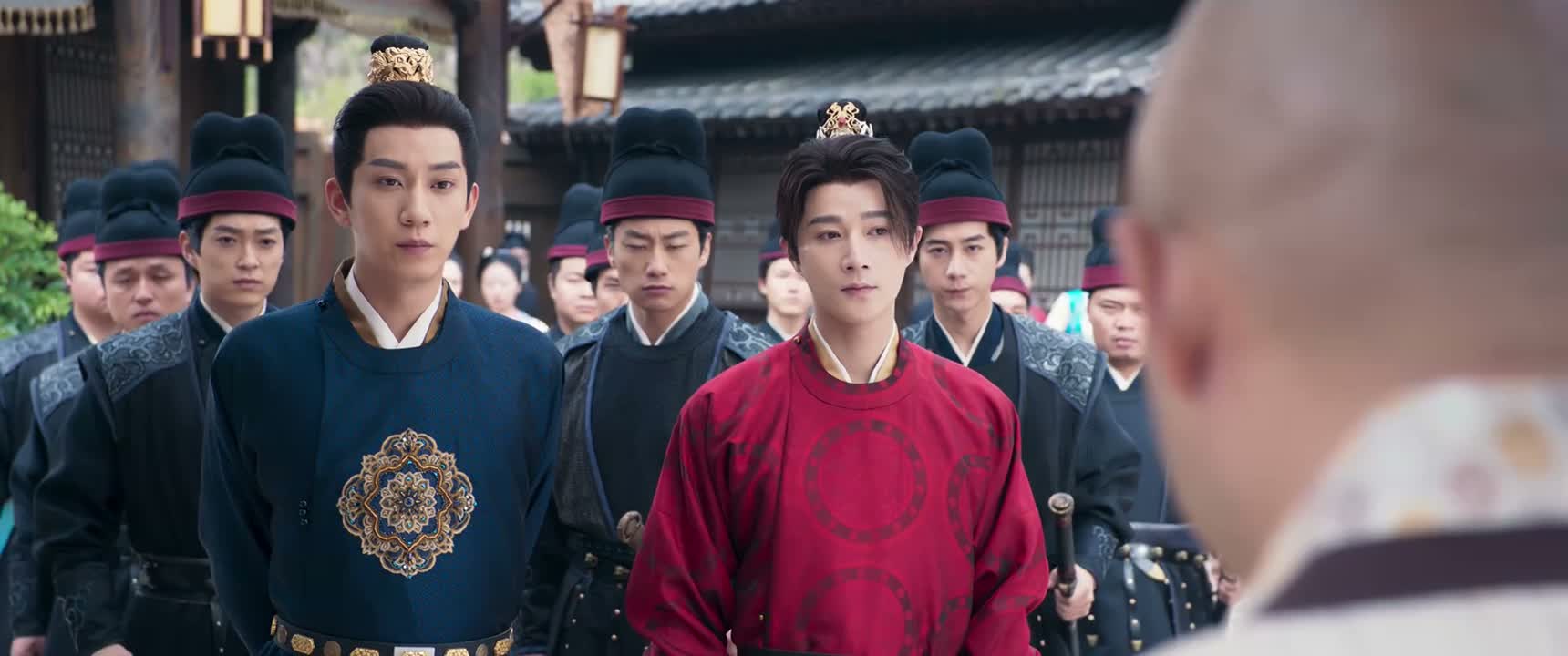
“Have any of you seen the Eminent Monk?”
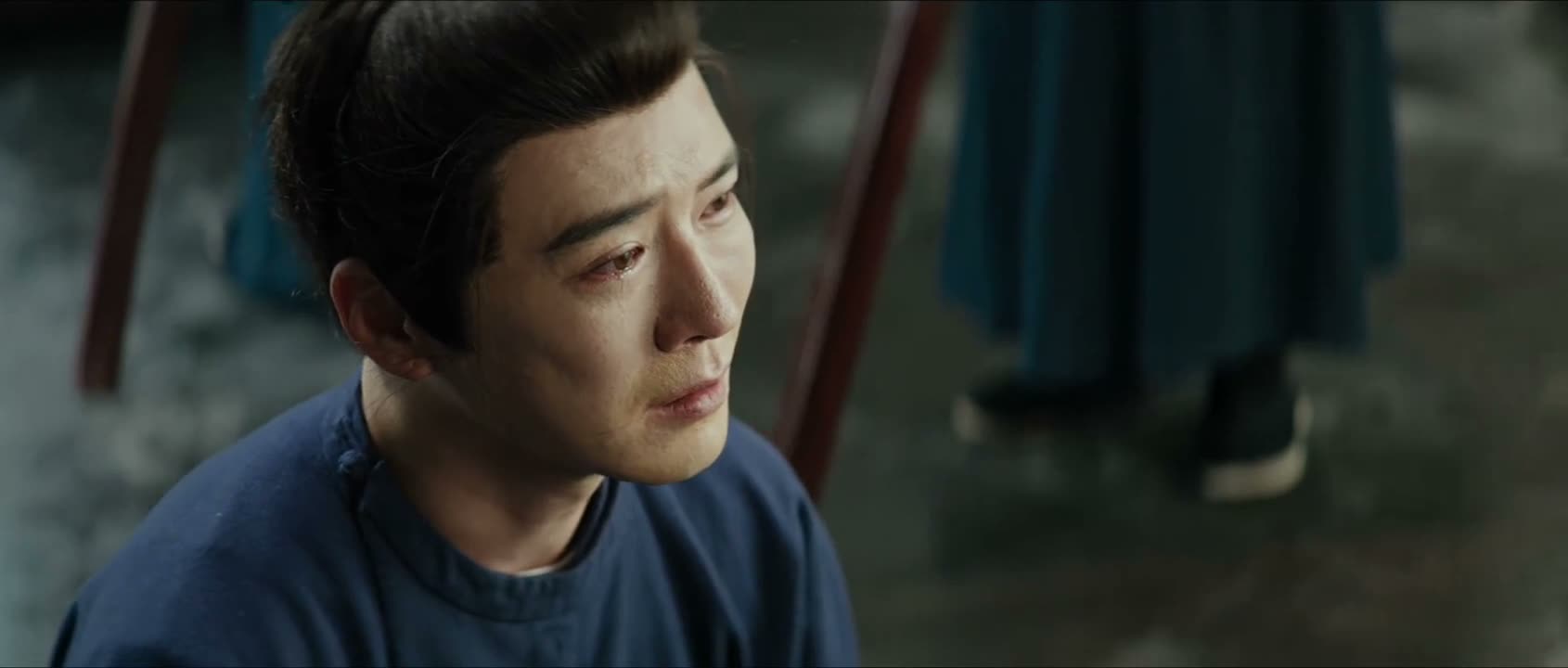
“But who would have thought”

“did you ever think you'd end up like this?”
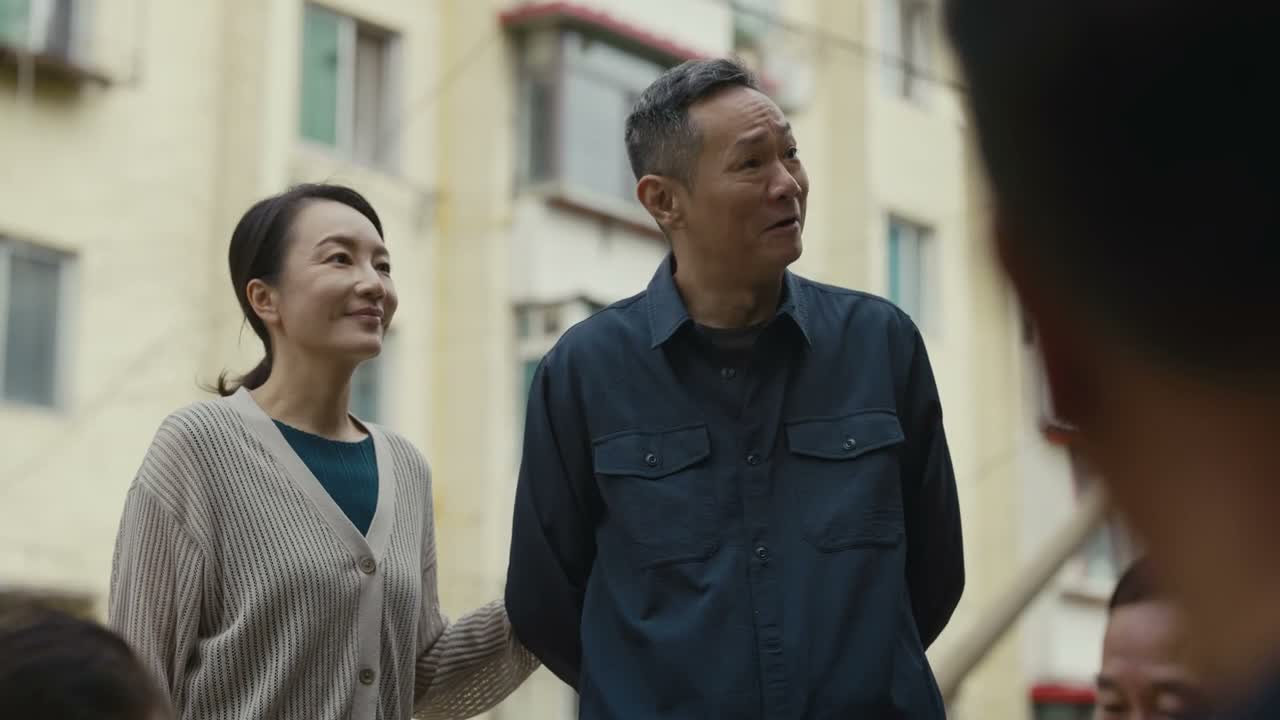
“I haven't seen you for years.”