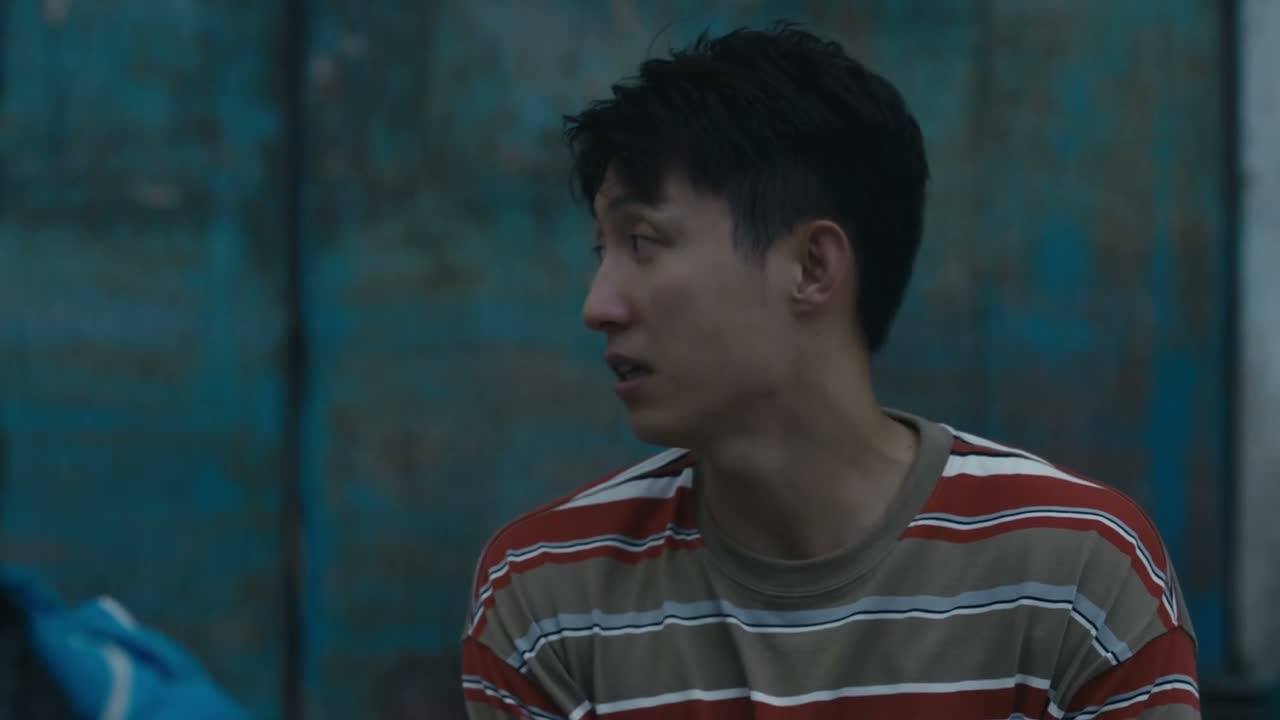
《Eight Hundred》 S1·E1 (13:59)
HSK 7
nà néng shì yī huí shì ma
那能是一回事吗
“How can it be the same thing?”
《Eight Hundred》
S1·E1
TIMECODE: 13:59
·
1080P MASTER AUDIO
THE DIALOGUE REEL
nà néng shì yī huí shì ma
CURRENT FOCUS
那 能 是 一回事 吗
“How can it be the same thing?”
[+1] FOLLOW-UP TURN
zá jiā zhè hǎo rì zi
咱家这好日子
“We've only had a good life”
Subtitles synced to millisecond timecode
Browse Show Clips →
Scene:
Family & Home
Function:
REBUTTAL
Tone:
ASSERTIVE
Emotion:
ANNOYANCE
WHAT THEY REALLY MEAN (PRAGMATIC SUBTEXT)
“You're completely wrong to compare these two situations; they are entirely different.”
💡 Cultural Insight: Rhetorical Questions in Family Debates
Chinese speakers often rely on rhetorical questions like '那能...吗' among close relations to emphasize common-sense distinctions without needing formal logic.
INTENT TAGS:
#rebuttal
#disagreement
#challenging
#refutation
🧩
1 CHUNKS · 1 PARTICLES
LEARNING CHUNKS & PARTICLES
是一回事
SPOKEN CHUNK
to be the same thing
Commonly used in both affirmative and negative contexts to compare situations, circumstances, or logic.
Modal Particle「吗」 (ma)
CHANGE OF STATE
Forms a rhetorical question with '那能...', emphasizing the impossibility that the two matters are identical.
🏮
1 EXPR · 2 GRAMMAR
VOCABULARY & EXPRESSIONS
CROSS-CINEMA CORPUS BOARD · PARALLEL SCENES
EXPLORE BY SEMANTIC SIMILARITY
Parallel Spoken Cinema Scenes (语义近邻切片)

《Eight Hundred》 S1·E1 (13:59) · Authentic Cinema Dialogue Corpus