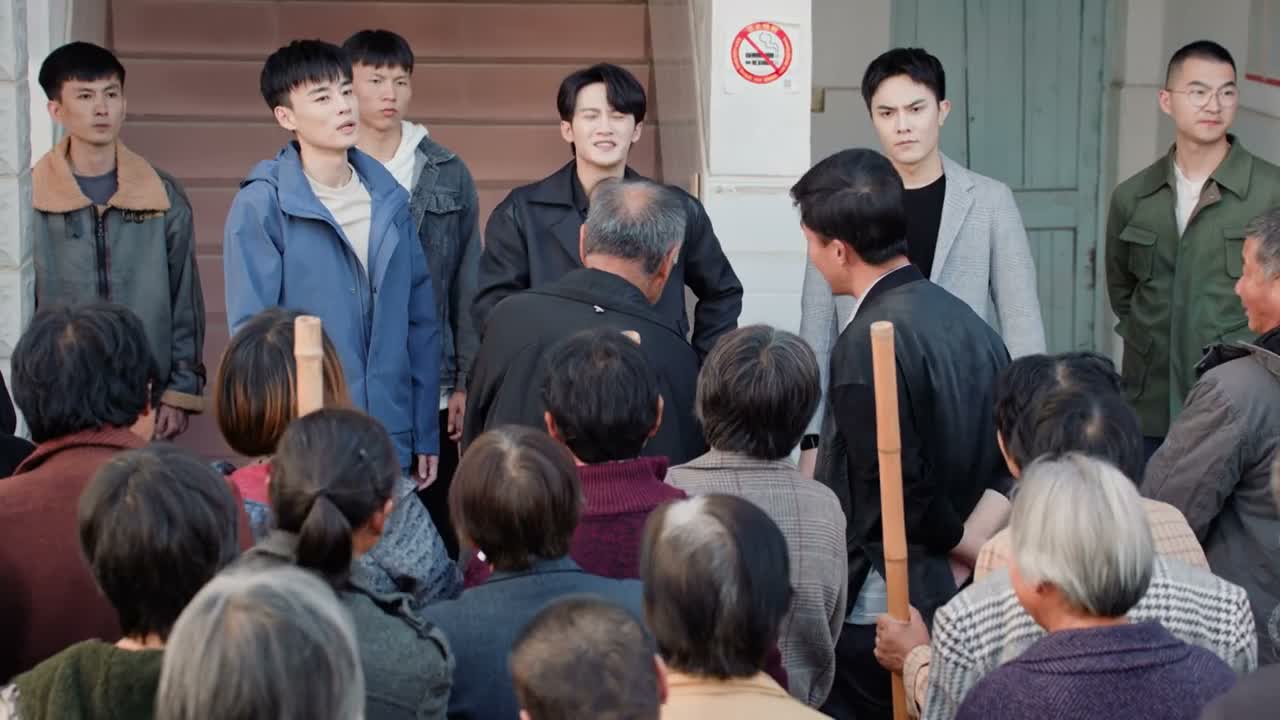
《Eight Hundred》 S1·E1 (13:57)
HSK 7
zhè bù yī huí shì ma
这不一回事吗
“Isn't it the same thing?”
《Eight Hundred》
S1·E1
TIMECODE: 13:57
·
1080P MASTER AUDIO
THE DIALOGUE REEL
[-1] PREVIOUS TURN
wǒ shì jǐng chá
我是警察
“I'm a police officer.”
zhè bù yī huí shì ma
CURRENT FOCUS
这不 一回事 吗
“Isn't it the same thing?”
Subtitles synced to millisecond timecode
Browse Show Clips →
Scene:
Legal & Police
Function:
CHALLENGING DISTINCTION
Tone:
CONFRONTATIONAL
Emotion:
IMPATIENCE
WHAT THEY REALLY MEAN (PRAGMATIC SUBTEXT)
“You are splitting hairs; it amounts to the exact same problem.”
💡 Cultural Insight: Rhetorical Dismissal
Using a negative rhetorical question like '这不...吗' is a standard spoken device in Chinese to forcefully challenge an opponent's logic without lengthy explanation.
INTENT TAGS:
#dismissal
#challenging
#insistence
#arguing
🧩
1 CHUNKS · 1 PARTICLES
LEARNING CHUNKS & PARTICLES
一回事
SPOKEN CHUNK
the same thing; one and the same
Commonly used in spoken Chinese to equate two situations, often paired with negative or interrogative structures like 这不是一回事 or 是一回事吗.
Modal Particle「吗」 (ma)
CHANGE OF STATE
Transforms the statement into a rhetorical question, expressing strong skepticism or insistence.
🏮
2 EXPR · 1 GRAMMAR
VOCABULARY & EXPRESSIONS
CROSS-CINEMA CORPUS BOARD · PARALLEL SCENES
EXPLORE BY SEMANTIC SIMILARITY
Parallel Spoken Cinema Scenes (语义近邻切片)


《Eight Hundred》 S1·E1 (13:57) · Authentic Cinema Dialogue Corpus