你们冷战比吵架更可怕 知不知道?
“Cold wars are worse than actual fights, okay?”
THE DIALOGUE REEL
没有吵架?
“That's exactly the problem.”
你们 冷战 比 吵架 更可怕 知不知道 ?
“Cold wars are worse than actual fights, okay?”
诶 替旁边人想一下好不好?
“Come on. Think about the people around you for once.”
“Stop acting like everything is fine when it's suffocating everyone around you.”
In Chinese interpersonal dynamics, avoiding open confrontation often manifests as prolonged silence, which can be viewed as more toxic than a direct argument because it stifles resolution.
LEARNING CHUNKS & PARTICLES
cold war / silent treatment
Used metaphorically to describe interpersonal situations where people refuse to speak to each other after a disagreement.
do you know? / don't you realize?
Often added at the end of a rhetorical question to demand accountability or emphasize urgency.
VOCABULARY & EXPRESSIONS
Parallel Spoken Cinema Scenes (语义近邻切片)

“A fight of silence is even more terrible.”
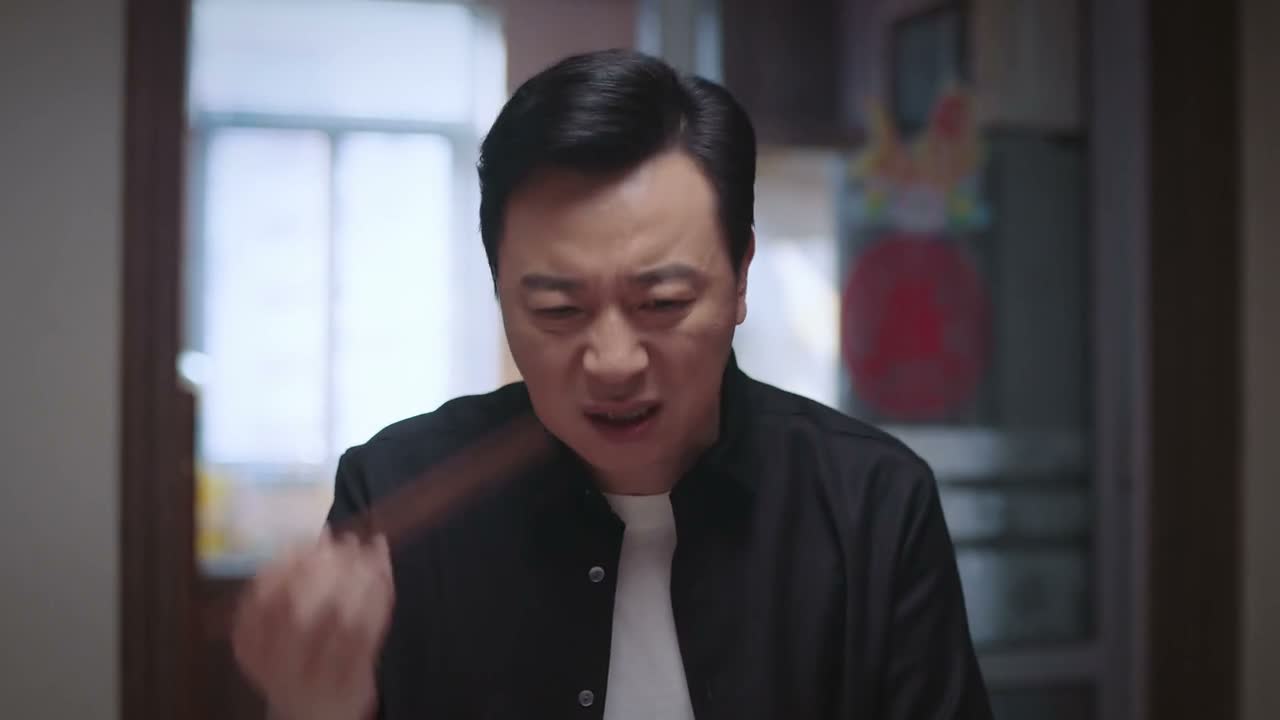
“I've had enough yelling.”

“It's very mature of you to hold back the most hurtful words”

“Stop thinking that girls only fight”
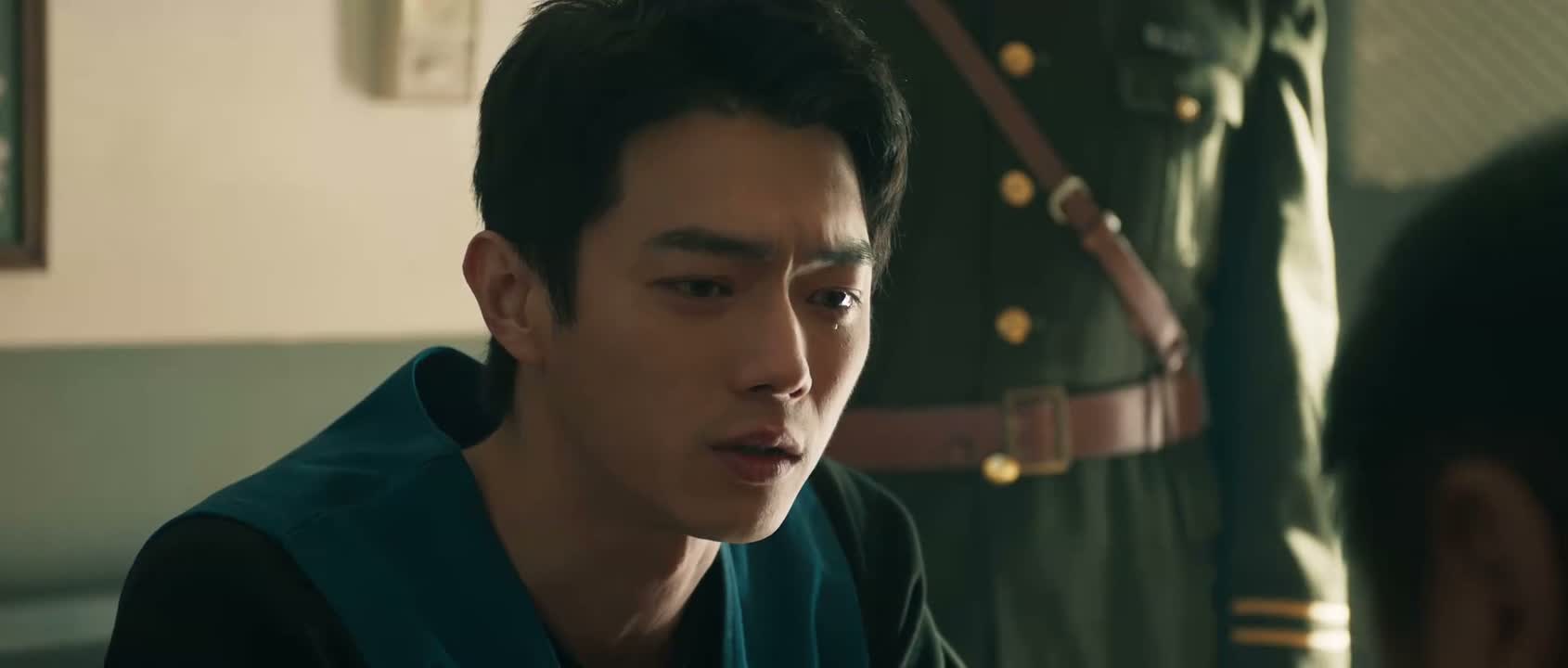
“Don't fight so much.”

“fighting until things become irreconcilable and unbearable,”