整日提心吊胆
“and going hungry”
THE DIALOGUE REEL
“I've had enough of living in constant fear”
整日 提心吊胆
“and going hungry”
“I am at my breaking point and cannot live in constant terror anymore.”
Chinese speakers frequently employ classical four-character idioms like '提心吊胆' even in informal speech to vividly condense extreme psychological turmoil.
LEARNING CHUNKS & PARTICLES
all day long; day in and day out
Used as an adverbial time phrase emphasizing continuous, uninterrupted duration.
to be on tenterhooks; living in constant fear
A highly expressive four-character idiom (chengyu) describing nervous dread and hypervigilance.
VOCABULARY & EXPRESSIONS
Parallel Spoken Cinema Scenes (语义近邻切片)

“I'm on edge all day long.”

“I live every day in fear.”
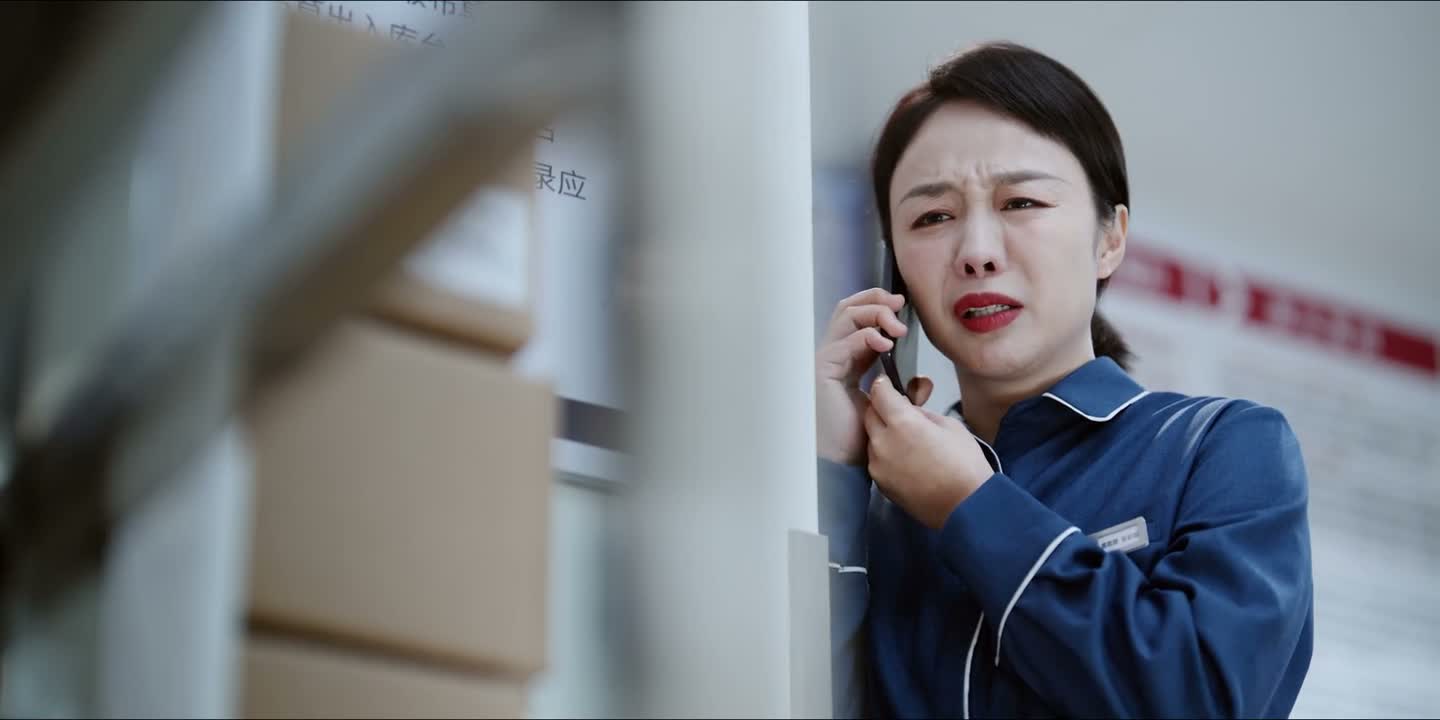
“But I'm on edge every day.”

“living in constant fear.”

“I've been living in fear all this time,”

“What was the point of having such wealth”

“I get nervous.”