你为何叫她本宫啊
“Why do you call her "Beholden"?”
THE DIALOGUE REEL
无碍
“I'm fine.”
你 为何 叫她本宫啊
“Why do you call her "Beholden"?”
“She doesn't seem entitled to use that imperial title—why are you addressing her like royalty?”
In ancient Chinese court hierarchy, pronouns like 'bengong' were strictly governed by rank and decorum; misapplying them was a serious breach of etiquette.
LEARNING CHUNKS & PARTICLES
why; for what reason
A literary and formal synonym for '为什么', frequently used in period dramas and written Chinese.
I / me (first-person imperial pronoun used by empresses, imperial consorts, or princesses)
Used strictly in historical or palace dramas by high-ranking imperial females to assert noble status.
Softens the interrogative tone into an informal, curious inquiry.
VOCABULARY & EXPRESSIONS
Parallel Spoken Cinema Scenes (语义近邻切片)

“He is directly insulting me.”
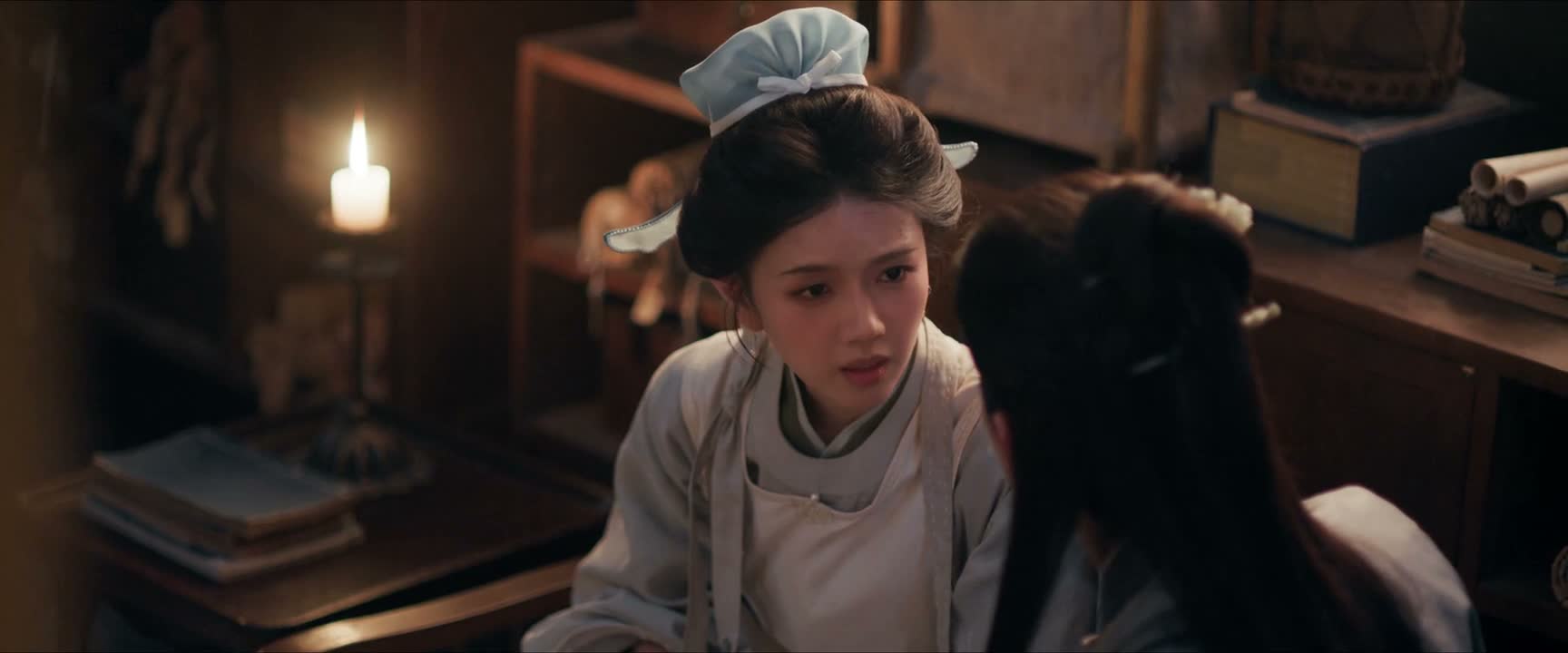
“In what capacity are you questioning me?”

“What's the point of your telling me all this now?”
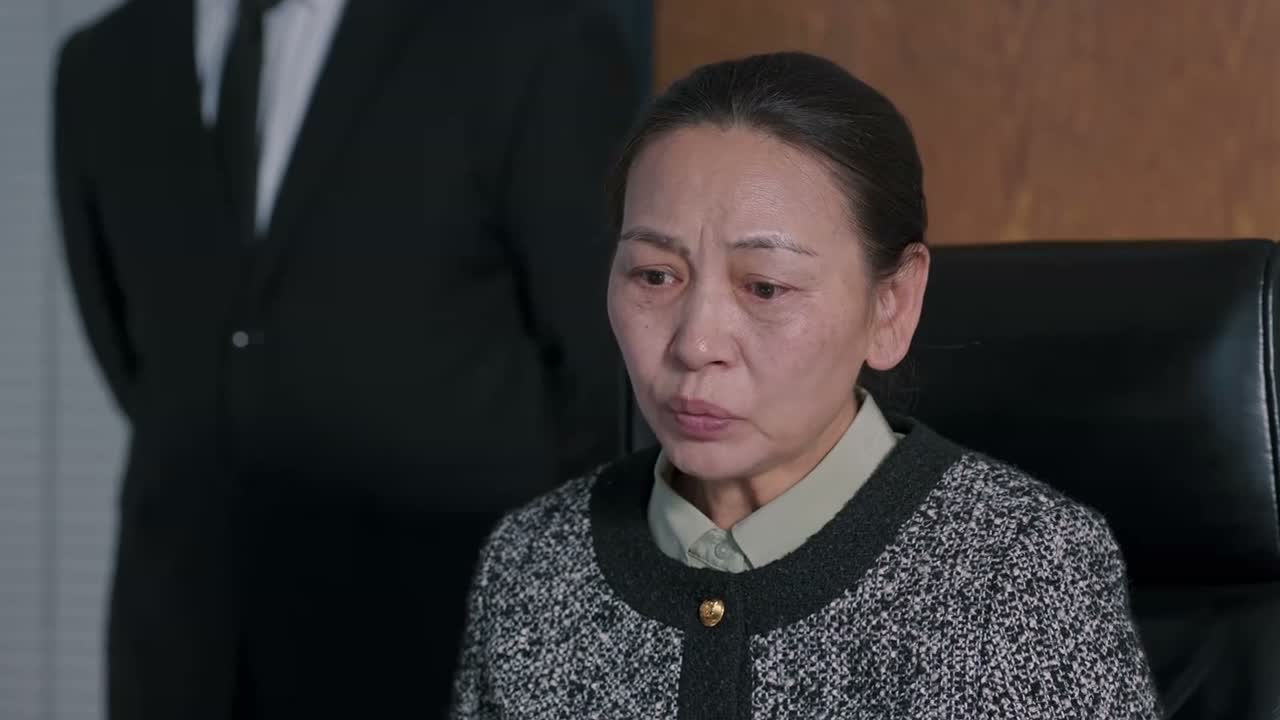
“When she woke up, she didn't know her own name.”
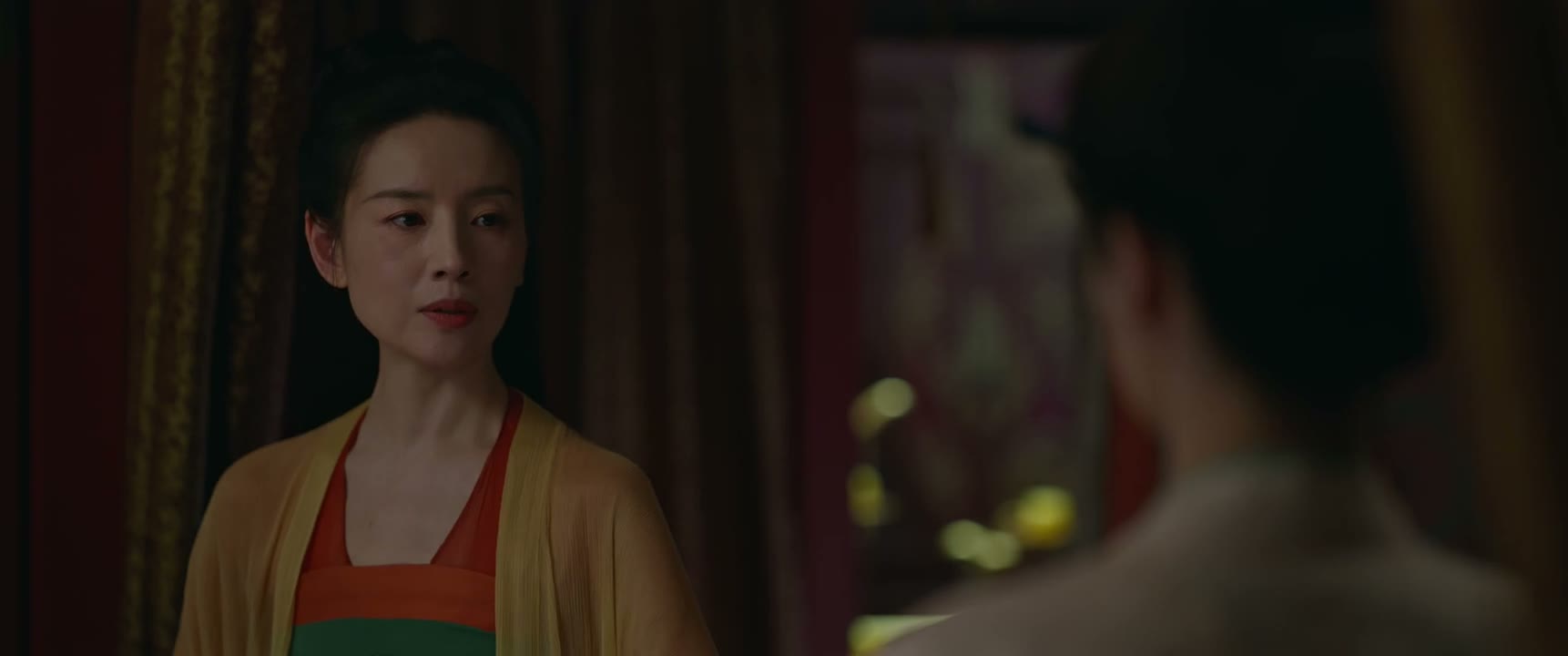
“What do you think I have lost?”

“then do not come looking for me again.”