太清淡了 吃不惯
“Too bland? You can't get used to it?”
THE DIALOGUE REEL
马上就好
“It'll just take a moment.”
太 清淡 了 吃不惯
“Too bland? You can't get used to it?”
你不舒服吗
“Are you feeling unwell?”
Direct spoken expression in this communicative setting.
Chinese culinary habits vary widely by region, and individuals often candidly state they are not used to contrasting flavor profiles such as heavy spice versus southern light flavors.
LEARNING CHUNKS & PARTICLES
not used to eating (a certain type of food)
A very common everyday structure (verb + 不惯) to indicate that something does not suit one's dietary habits.
too bland or light in flavor
Commonly used to describe food that lacks salt, spice, oil, or strong seasoning.
Functions as a marker of excess when paired with '太', emphasizing that the food is overly bland.
VOCABULARY & EXPRESSIONS
Parallel Spoken Cinema Scenes (语义近邻切片)

“You actually like the plain type.”
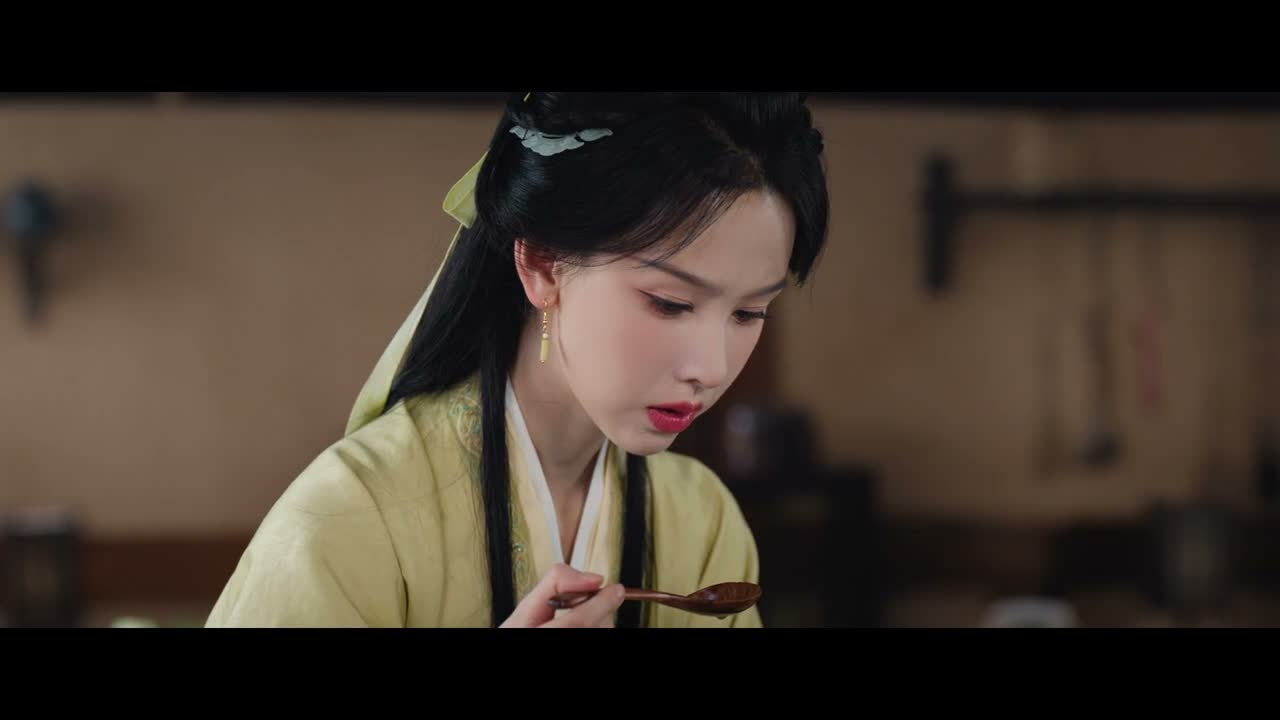
“It still tastes a bit bland.”

“Eat. It's so light. Eat up.”
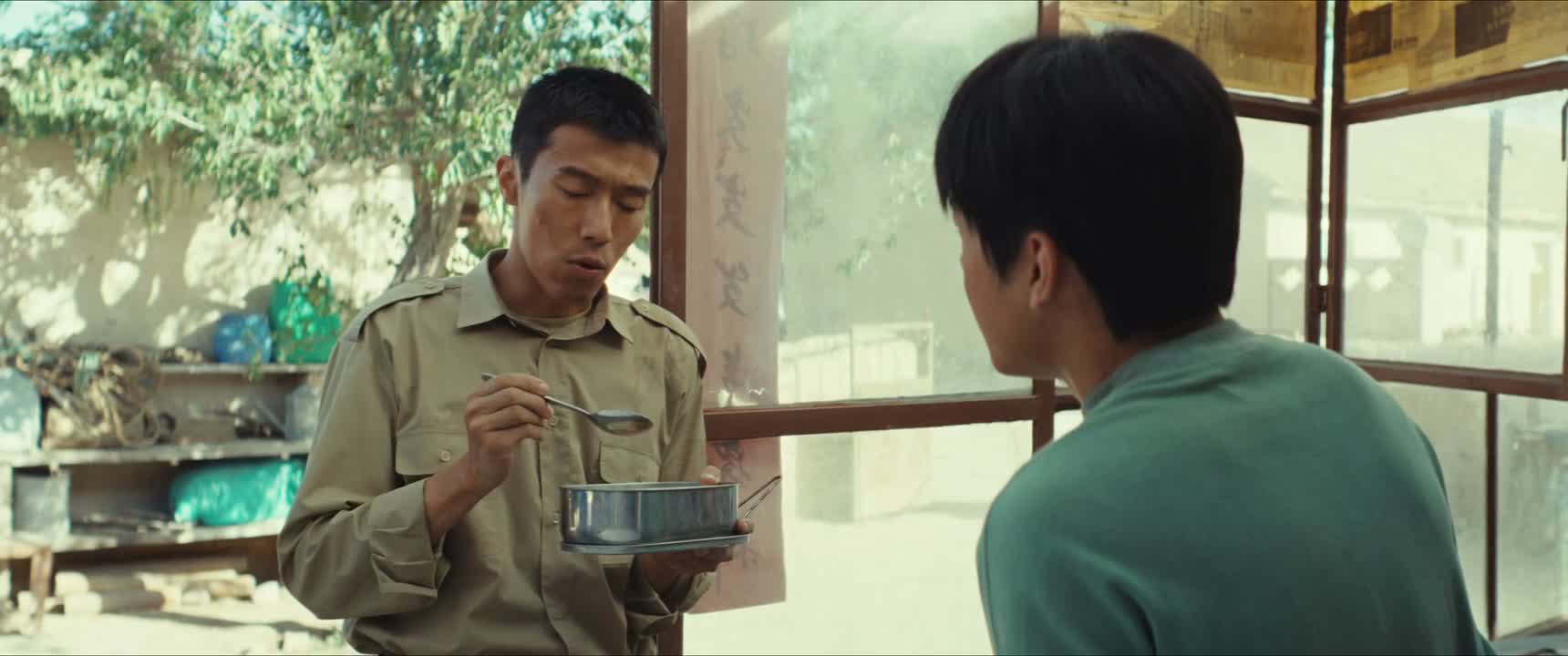
“I think the flavor is a bit bland. But”

“It was tough and sour. Inedible.”
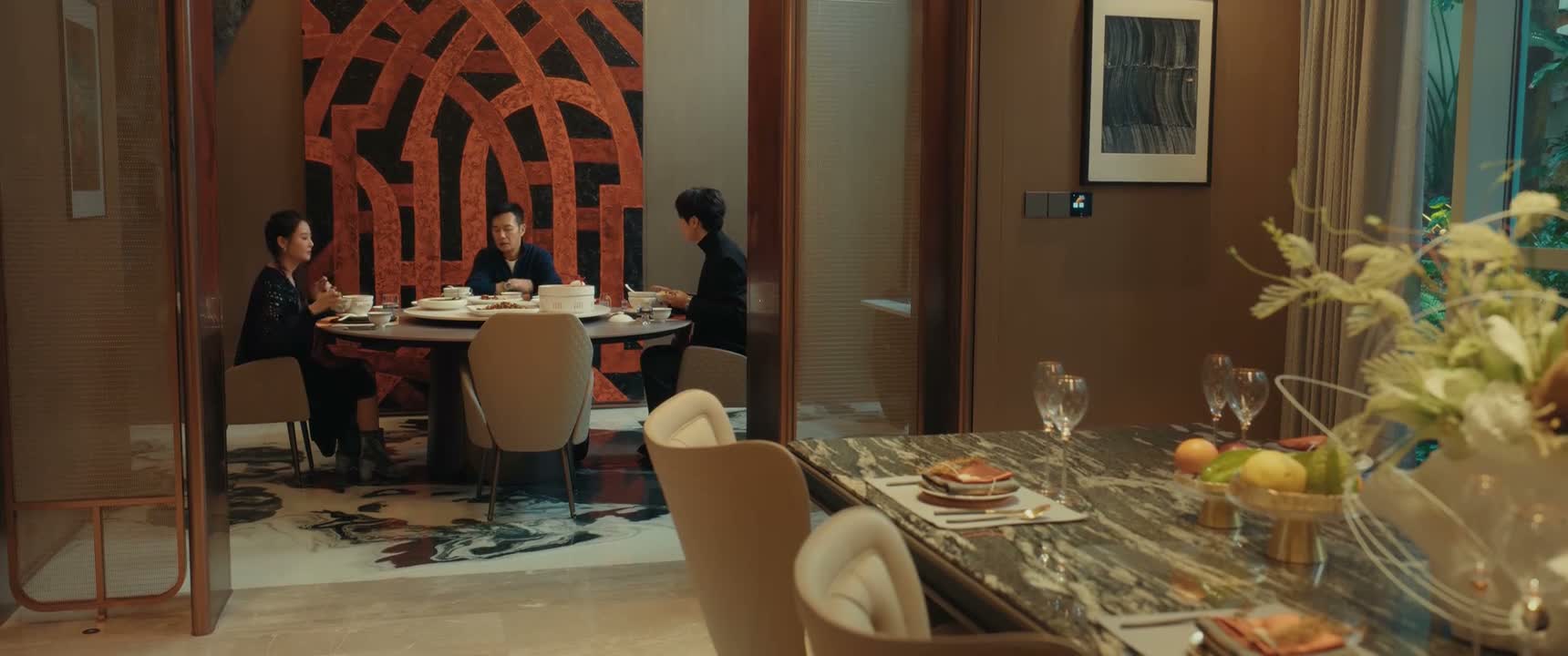
“His cooking has been bland lately.”