《The Inner Eye》 S1·E18 (35:24)
HSK 1
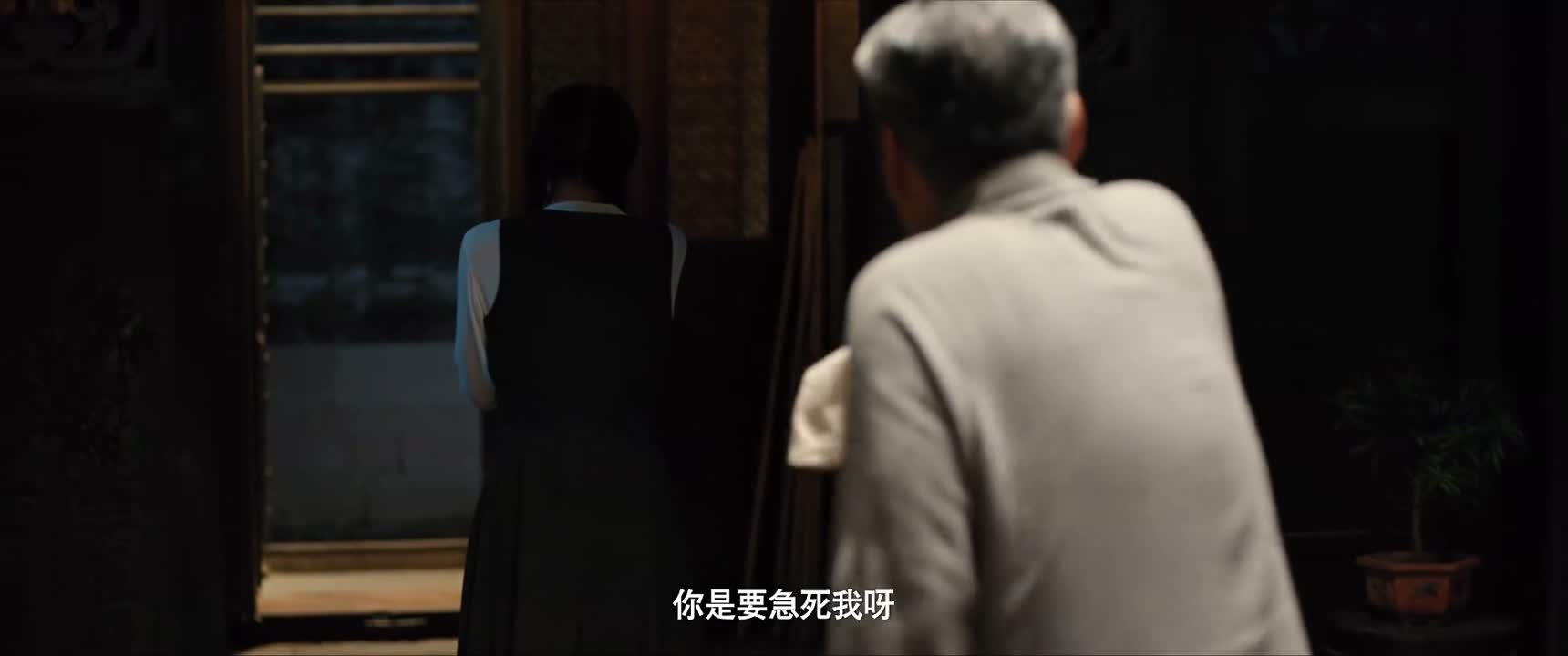
wǒ zhēn jí sǐ wǒ le
我真急死我了
“I'm really freaking out!”
《The Inner Eye》
S1·E18
TIMECODE: 35:24
·
1080P MASTER AUDIO
THE DIALOGUE REEL
[-1] PREVIOUS TURN
wǒ kěn dìng néng quán bù hái shàng de
我肯定能全部还上的
“I swear I'll pay it all back.”
wǒ zhēn jí sǐ wǒ le
CURRENT FOCUS
我真 急死我了
“I'm really freaking out!”
[+1] FOLLOW-UP TURN
nǐ zhī dào ma
你知道吗
“Do you know?”
Subtitles synced to millisecond timecode
Browse Show Clips →
Scene:
Crisis & Conflict
Function:
EXPRESSING EXTREME ANXIETY
Tone:
DISTRESSED
Emotion:
ANXIETY
WHAT THEY REALLY MEAN (PRAGMATIC SUBTEXT)
Direct spoken expression in this communicative setting.
💡 Cultural Insight: Hyperbolic Emotional Release
Spoken Mandarin frequently uses death-related complements like '死了' to dramatize intense subjective feelings of urgency without intending any literal harm.
INTENT TAGS:
#venting
#expressing_anxiety
#urgency
#distress
🧩
1 CHUNKS · 1 PARTICLES
LEARNING CHUNKS & PARTICLES
急死我了
SPOKEN CHUNK
worried to death / anxious out of one's mind
A highly colloquial, idiomatic formula where 'verb + 死了' denotes an unbearable degree of an emotional or physical state.
Modal Particle「了」 (le)
CHANGE OF STATE
Functions as a change-of-state marker emphasizing that the level of anxiety has reached an unbearable breaking point.
🏮
1 EXPR · 0 GRAMMAR
VOCABULARY & EXPRESSIONS
COLLOQUIAL EXPRESSIONS:
CROSS-CINEMA CORPUS BOARD · PARALLEL SCENES
EXPLORE BY SEMANTIC SIMILARITY
Parallel Spoken Cinema Scenes (语义近邻切片)
《The Inner Eye》 S1·E18 (35:24) · Authentic Cinema Dialogue Corpus