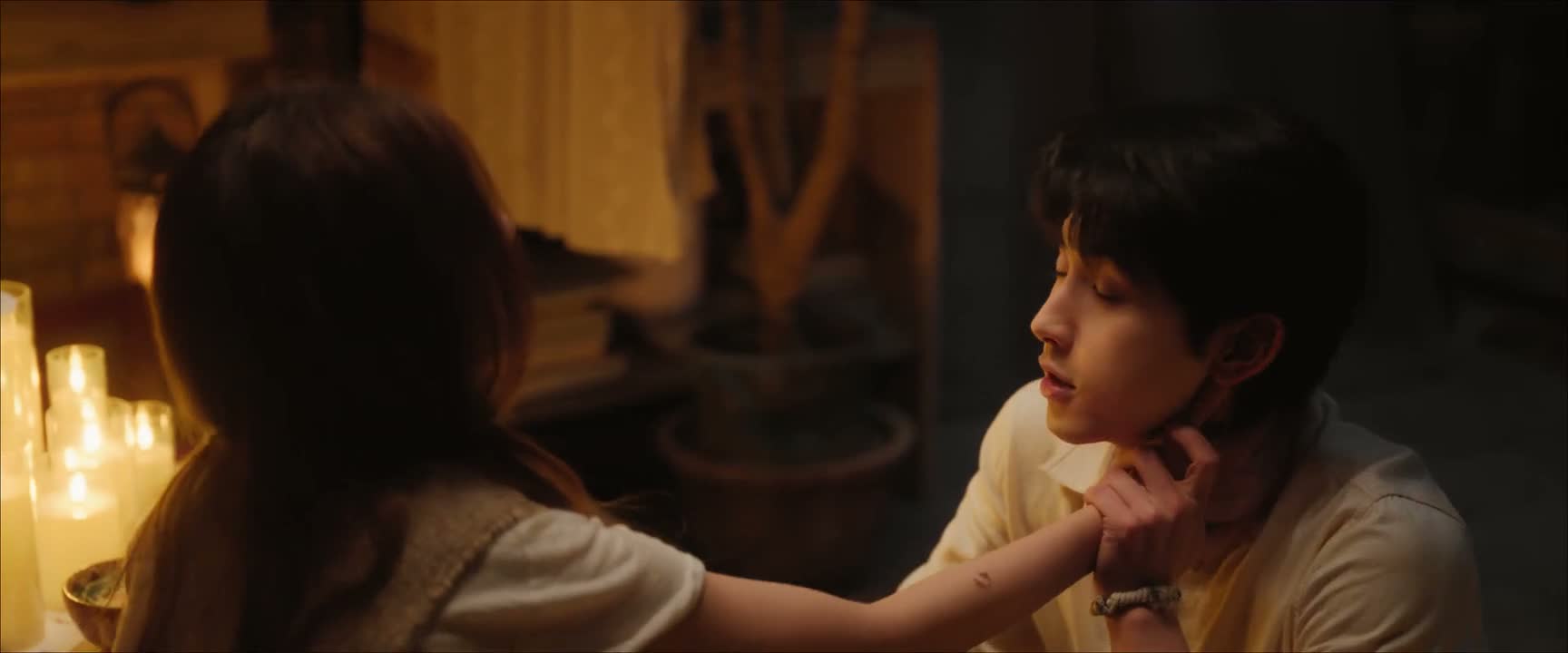
婶跟叔哪能闭得上眼啊
“how could Hongbing and me rest in peace?”
THE DIALOGUE REEL
到将来
“when the time comes,”
婶跟叔 哪能 闭得上眼 啊
“how could Hongbing and me rest in peace?”
我欠你们全家的
“I owe your whole family.”
“Our elders cannot rest in peace knowing what happened to this family.”
'Closing one's eyes' (闭眼) is a traditional Chinese euphemism for passing away peacefully; being unable to do so symbolizes enduring tragic injustice across generations.
LEARNING CHUNKS & PARTICLES
rest in peace / die with peace of mind
An idiomatic metaphor describing dying peacefully without unresolved regrets or injustice; usually negated as 不能闭眼 or 闭不上眼.
how could... possibly
Rhetorical spoken expression emphasizing strong disbelief or impossibility.
Intensifies the rhetorical exclamation and amplifies the speaker's emotional despair.
VOCABULARY & EXPRESSIONS
Parallel Spoken Cinema Scenes (语义近邻切片)
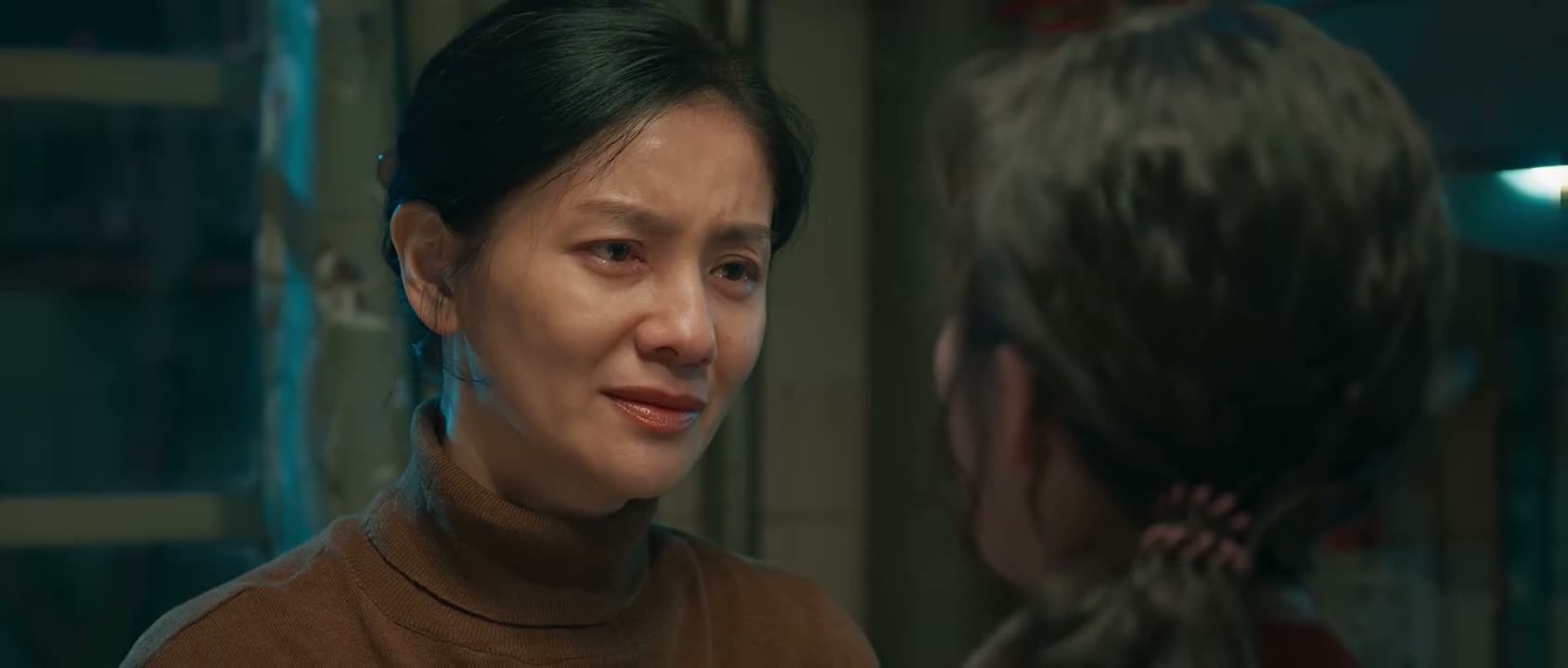
“really bad toward you and Mr. Chen.”
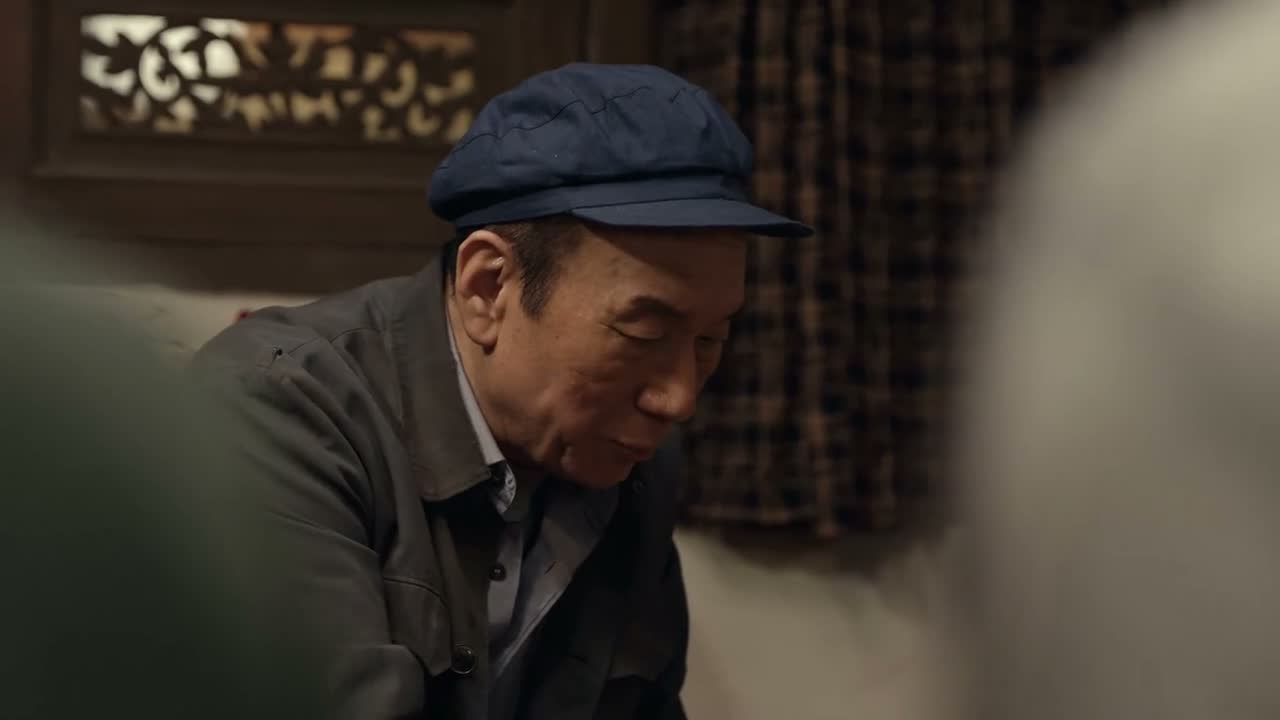
“You can't talk about Decheng like that.”
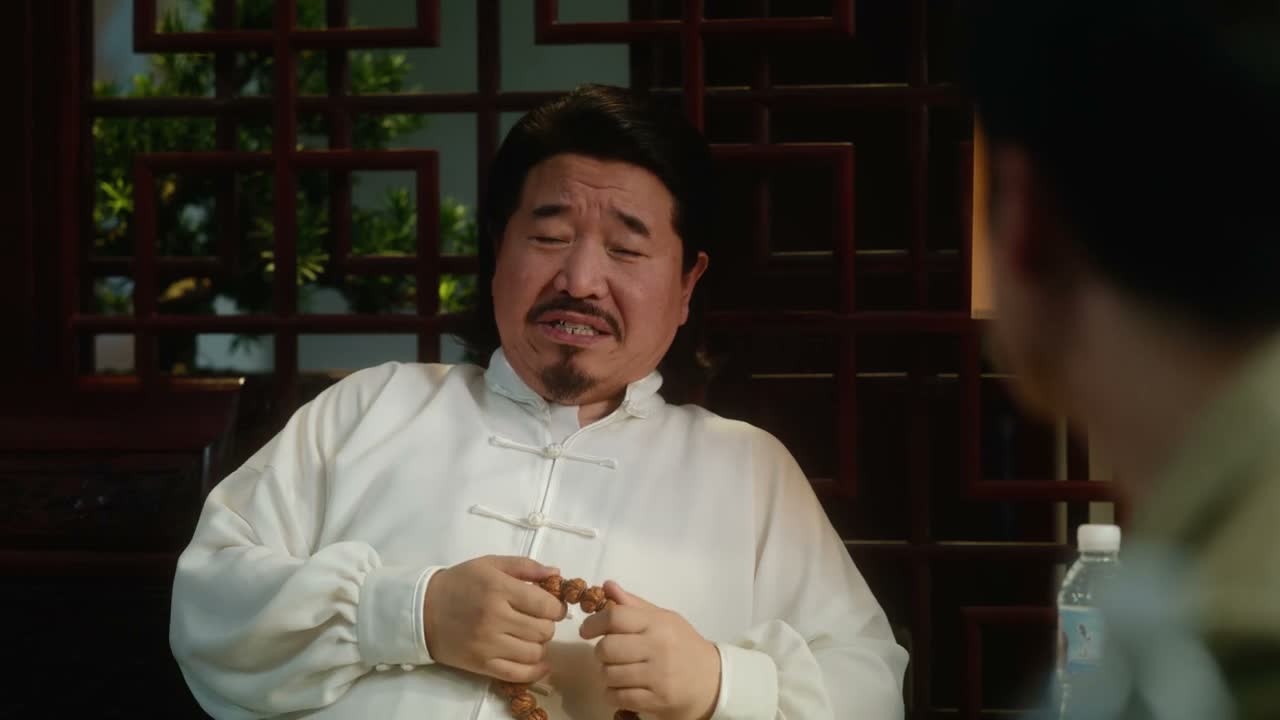
“I'm somewhat of a wanderer,”
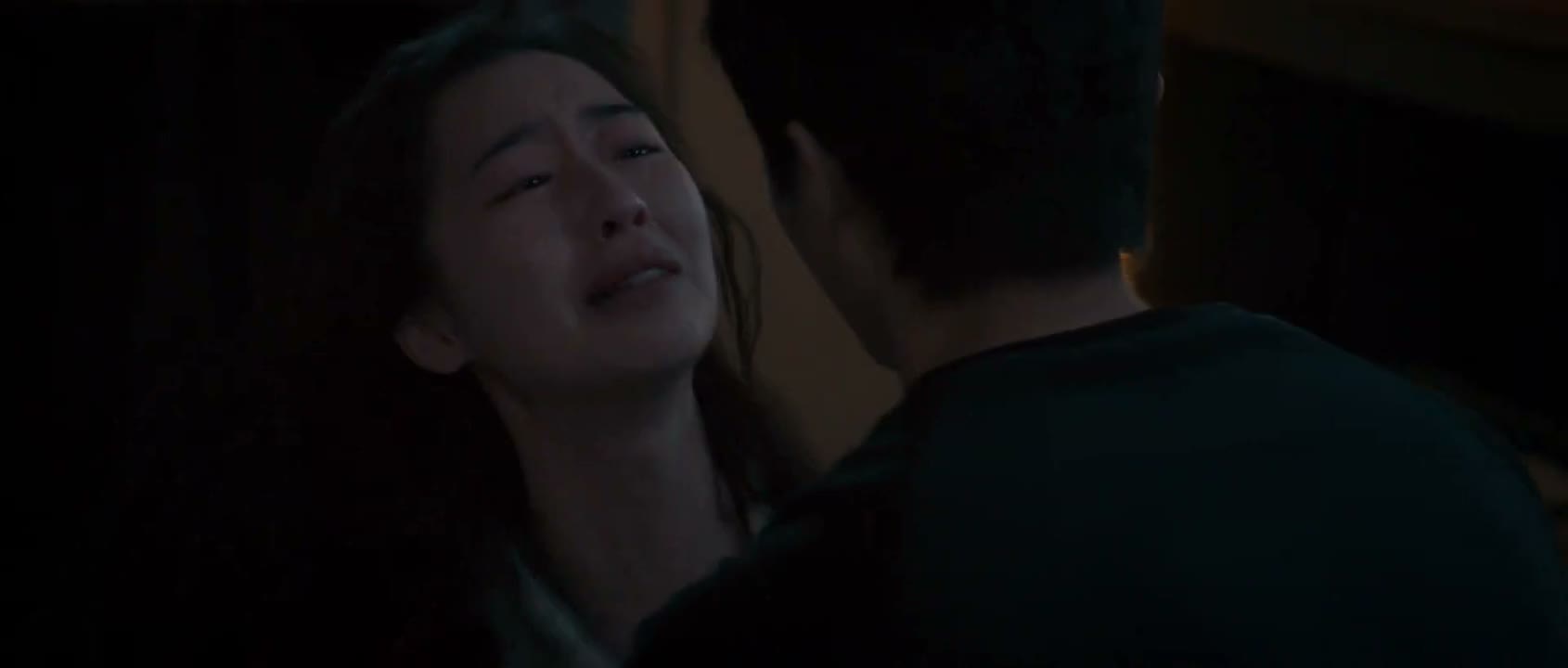
“How can I face your parents?”

“treat me as half a relative.”
“there are Uncle, Auntie,”