当年的事它不怪我
“What happened back then wasn't my fault.”
THE DIALOGUE REEL
当年的事它 不怪我
“What happened back then wasn't my fault.”
你是不是
“Did you”
“Stop blaming me for everything that went wrong back then; it was out of my hands.”
Unresolved past domestic conflicts in Chinese families often resurface decades later, where clearing oneself of historical blame is vital for moral standing.
LEARNING CHUNKS & PARTICLES
what happened back then; the events of those years
A frequent phrase used to refer generally to an old, sensitive, or unresolved past event.
not my fault; cannot be blamed on me
A direct way to reject culpability or absolve oneself from blame.
VOCABULARY & EXPRESSIONS
Parallel Spoken Cinema Scenes (语义近邻切片)

“let's leave last year where it belongs— in the past.”

“After all, what happened back then was quite a scandal.”

“Was I wrong back then?”
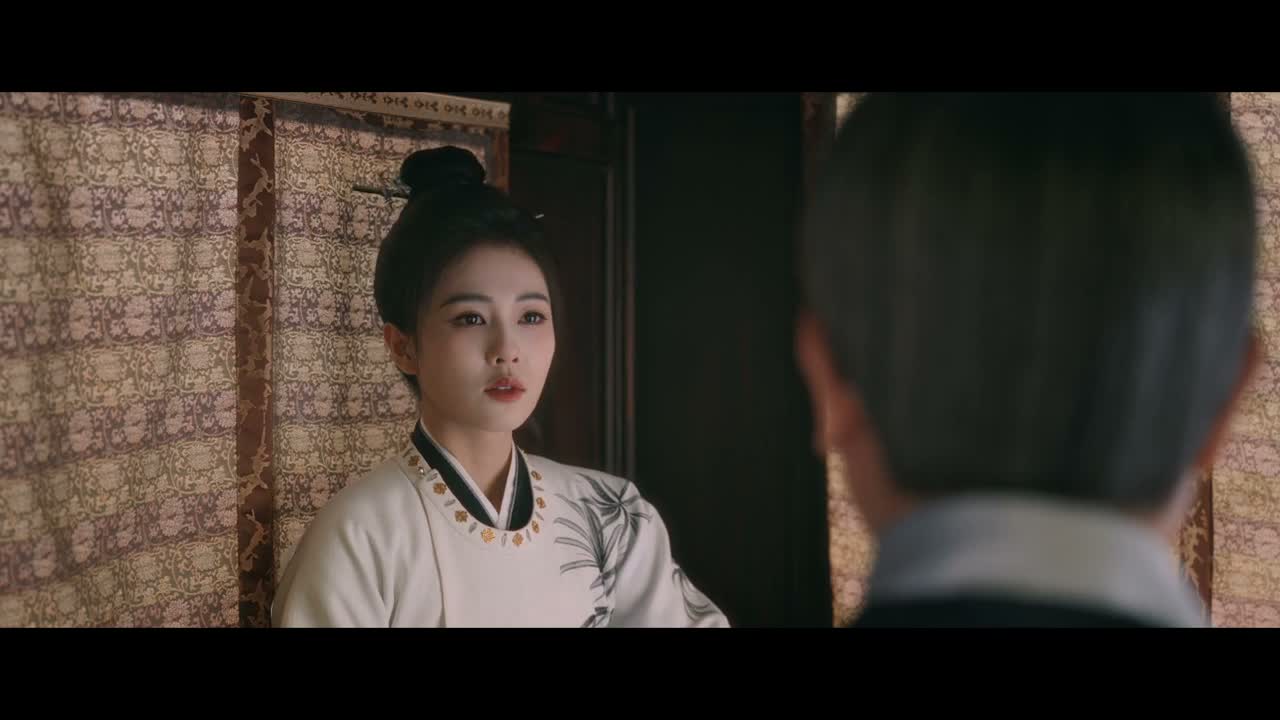
“I can't change the past.”
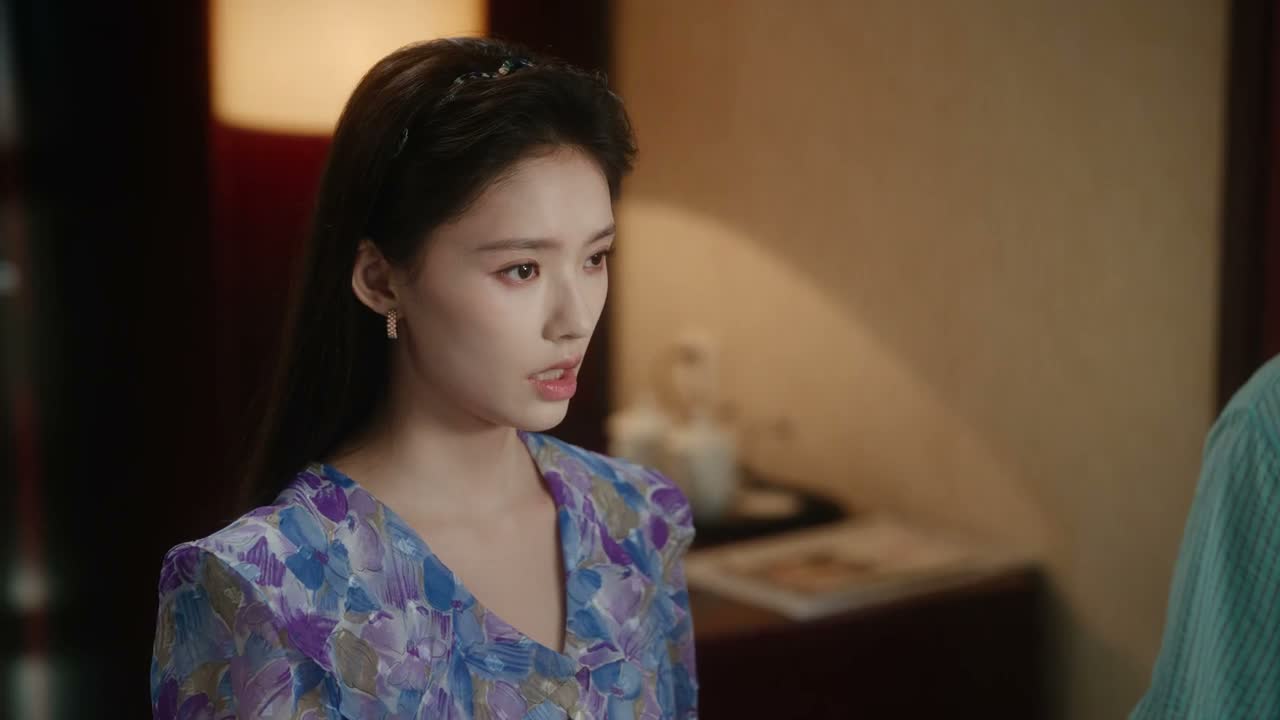
“I'm really sorry about what happened last time.”

“Today is my fault.”