地广人稀 荒芜人烟
“It's sparsely populated and desolate.”
THE DIALOGUE REEL
“Bandits have been frequent in recent years.”
地广人稀 荒芜人烟
“It's sparsely populated and desolate.”
“When I came here a few years ago,”
Direct spoken expression in this communicative setting.
In classical Chinese narrative and Wuxia tales, regions described as vast and empty are notoriously dangerous zones where travelers are vulnerable to banditry and lawlessness.
LEARNING CHUNKS & PARTICLES
vast territory with sparse population
A classic four-character idiom used to describe remote plains, deserts, or wilderness.
desolate and devoid of human presence
A variation of the idiom '荒无人烟', used to describe completely barren, uninhabited places.
VOCABULARY & EXPRESSIONS
Parallel Spoken Cinema Scenes (语义近邻切片)

“This frozen wilderness is deserted.”

“Only the southern suburb is deserted.”

“That place is remote and sparsely populated.”
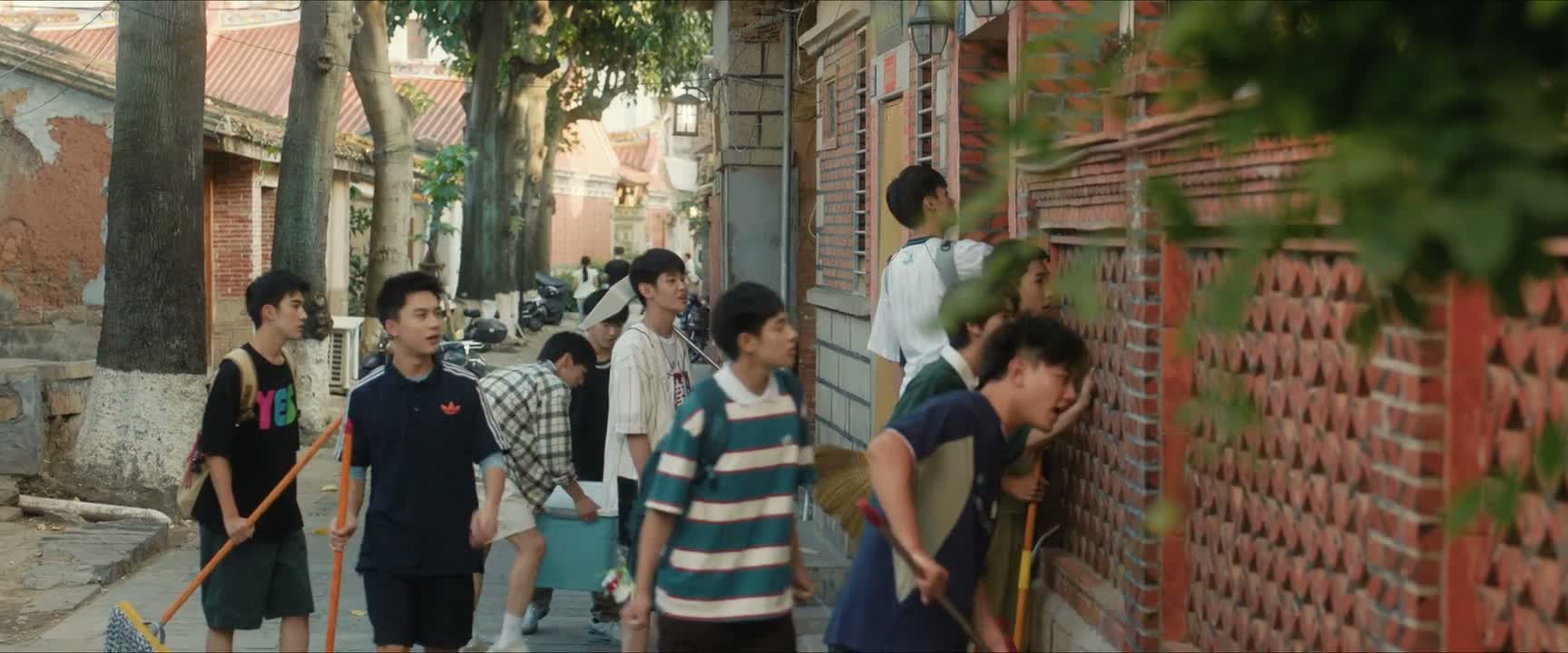
“-It's run-down. -Hello? Anyone in there? -There's no one. -Anyone in there?”
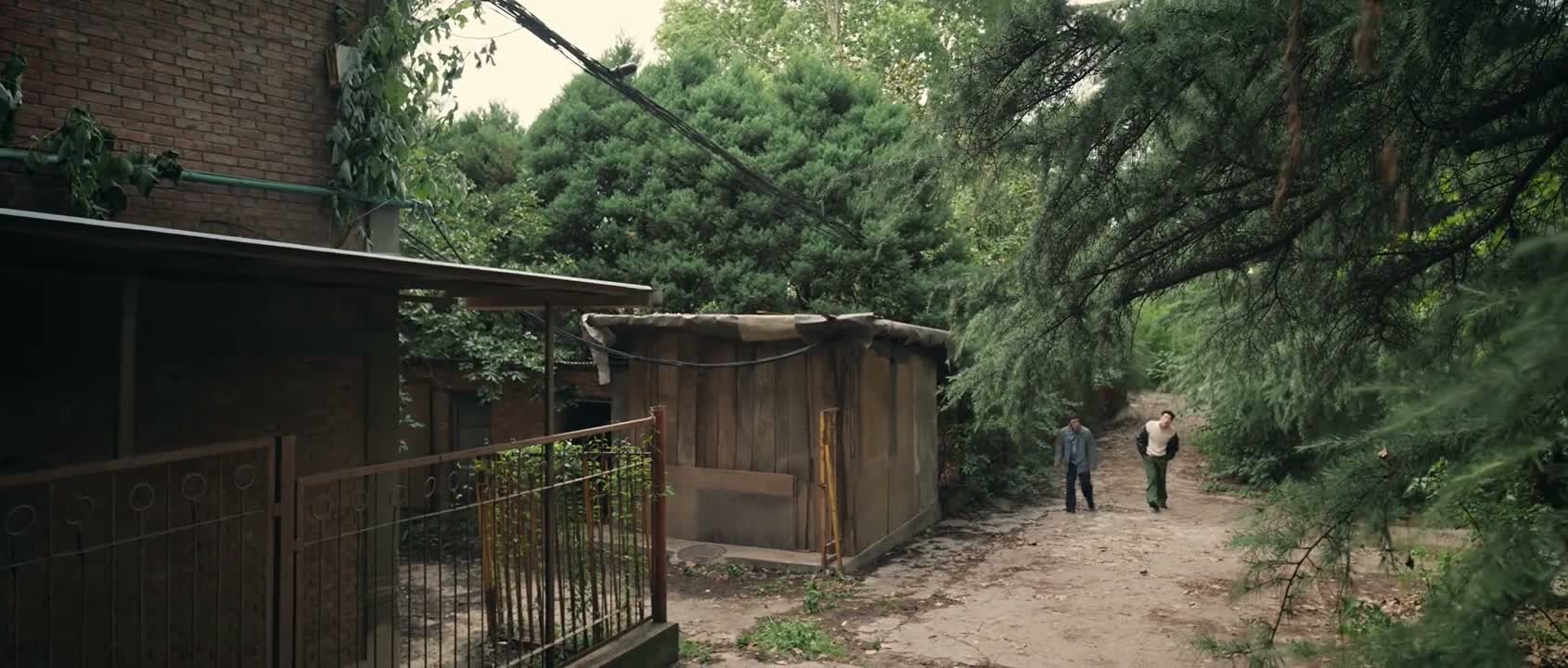
“abandoned just like that.”

“There's not a soul here. It's so desolate.”

“and preferably somewhere sparsely populated,”

“It has been uninhabited for years and abandoned long ago.”