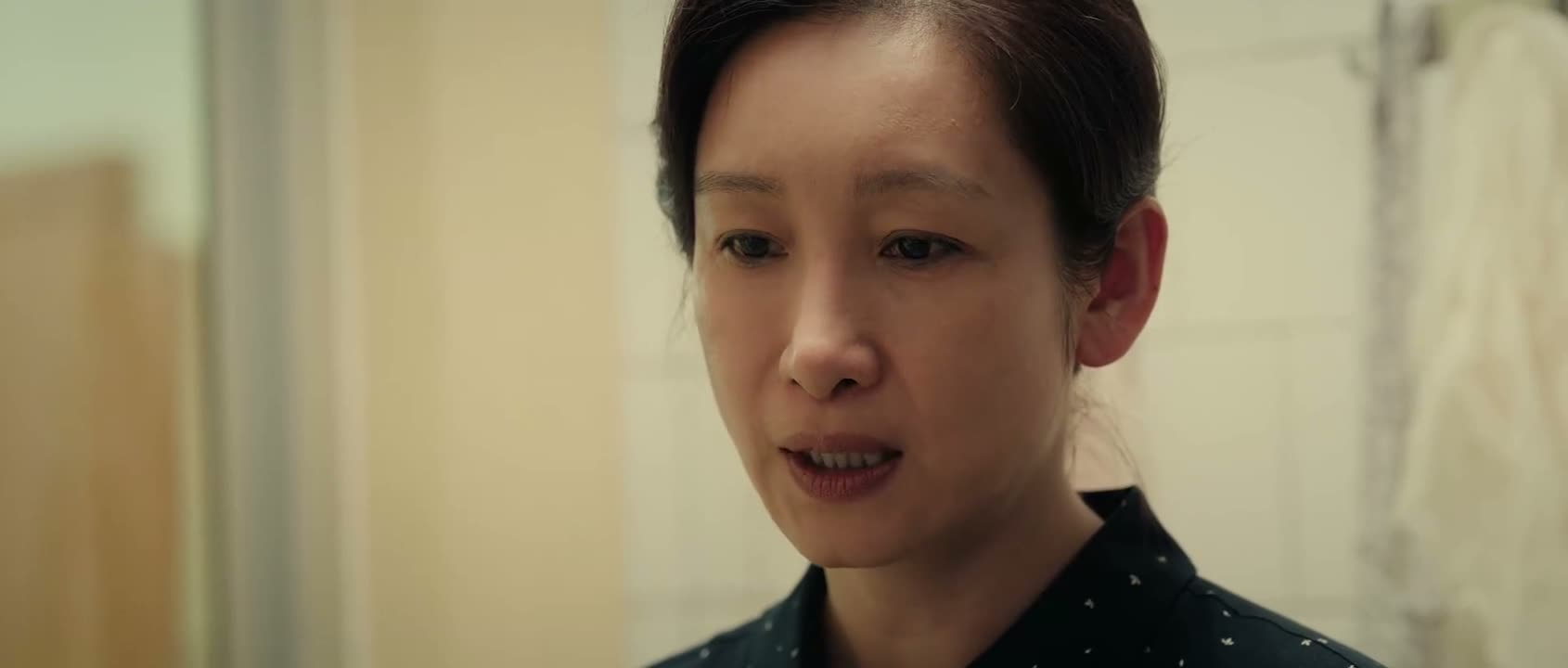
《The Inner Eye》 S1·E29 (27:09)
HSK 6
dàn dāng nǐ gū dú de shí hòu
但当你孤独的时候
“But when you're alone and need help,”
《The Inner Eye》
S1·E29
TIMECODE: 27:09
·
1080P MASTER AUDIO
THE DIALOGUE REEL
[-1] PREVIOUS TURN
nà zhǒng kuài gǎn
那种快感
“of being winner.”
dàn dāng nǐ gū dú de shí hòu
CURRENT FOCUS
但 当 你孤独 的时候
“But when you're alone and need help,”
Subtitles synced to millisecond timecode
Browse Show Clips →
Scene:
Social & Dating
Function:
SHARING PERSPECTIVE
Tone:
REFLECTIVE
Emotion:
MELANCHOLY
WHAT THEY REALLY MEAN (PRAGMATIC SUBTEXT)
“Excitement is nothing compared to having someone there when you feel truly alone.”
💡 Cultural Insight: Emotional Companionship (Peiban)
Modern Chinese relationship discourse places high value on 'peiban' (accompanying/staying by one's side), often considering quiet presence far more meaningful than grandiose romantic gestures.
INTENT TAGS:
#emotional_appeal
#reflection
#vulnerability
#bonding
🧩
2 CHUNKS · 1 PARTICLES
LEARNING CHUNKS & PARTICLES
当...的时候
SPOKEN CHUNK
when; at the time of
The standard grammatical pattern used to frame a temporal condition or psychological state.
孤独的时候
SPOKEN CHUNK
times when one feels lonely
A common poetic and emotional phrasing in discussions about psychological well-being and relationships.
Modal Particle「的」 (de)
CHANGE OF STATE
Structural particle forming an attributive clause modifying the noun 'shihou' (time/moment).
🏮
0 EXPR · 2 GRAMMAR
VOCABULARY & EXPRESSIONS
CROSS-CINEMA CORPUS BOARD · PARALLEL SCENES
EXPLORE BY SEMANTIC SIMILARITY
Parallel Spoken Cinema Scenes (语义近邻切片)
《The Inner Eye》 S1·E29 (27:09) · Authentic Cinema Dialogue Corpus