怎么了这是 我太爱你了
“What's wrong? I love you so much!”
THE DIALOGUE REEL
非非
“Fei!”
怎么了这是 我 太爱你了
“What's wrong? I love you so much!”
你怎么知道我下周活动 没有新包的
“How did you know I don't have a new purse for next week's event?”
“What did you just do?! You're an absolute lifesaver, I love this so much!”
Among young Chinese women and close friends, exchanging gifts like bags or jewelry is a common way to express intimacy and mutual support. Recipients often react with exaggerated enthusiasm to show surprise and gratitude.
LEARNING CHUNKS & PARTICLES
What is going on? / What happened?
An inverted colloquial expression commonly used to express surprise and curiosity upon encountering an unexpected situation or surprise.
I love you so much / Thank you so much
Used in casual conversation to convey deep gratitude or immense appreciation for someone's kind actions, not restricted to romantic love.
Used in a sentence to indicate a change of situation or to intensify emotional expression.
VOCABULARY & EXPRESSIONS
Parallel Spoken Cinema Scenes (语义近邻切片)
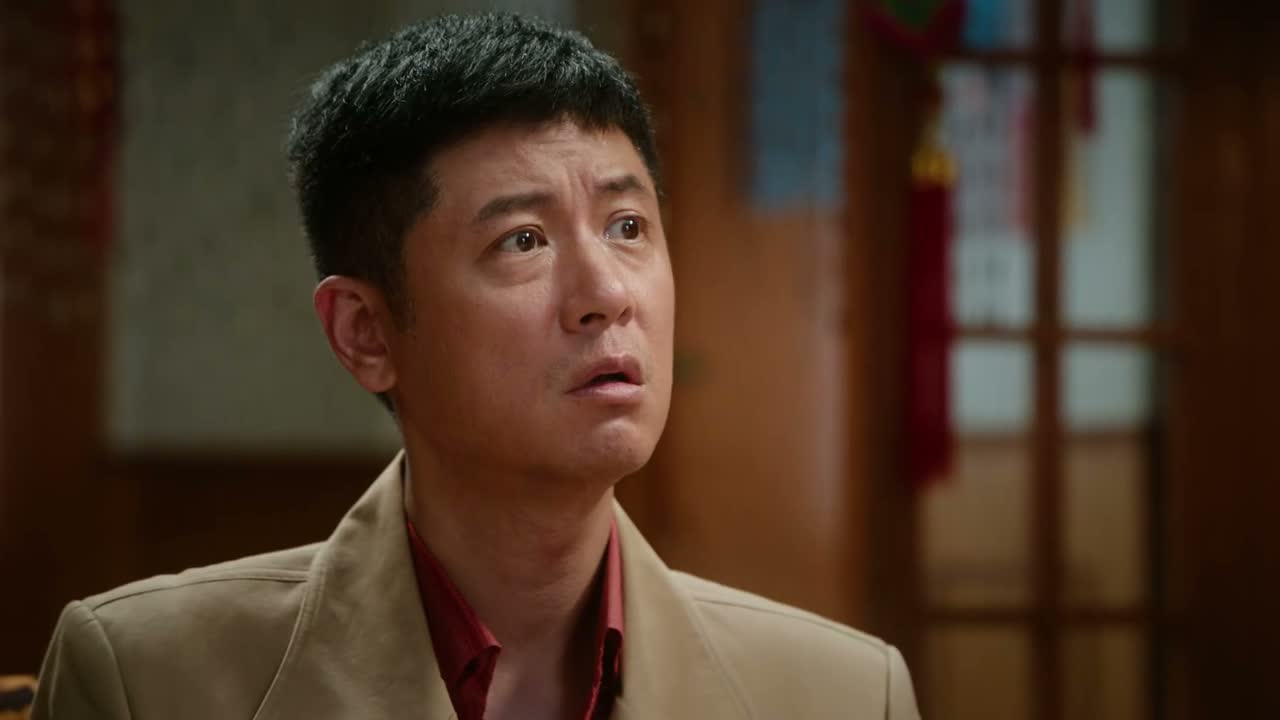
“I... I love you very much.”

“It's because you like me too much.”

“I really like him! I...”

“You're amazing. I like you so much!”

“What did I do wrong? Spare me that crap.”

“Honestly, I don't love you that much.”