MC
MandarinClips Cinema Corpus
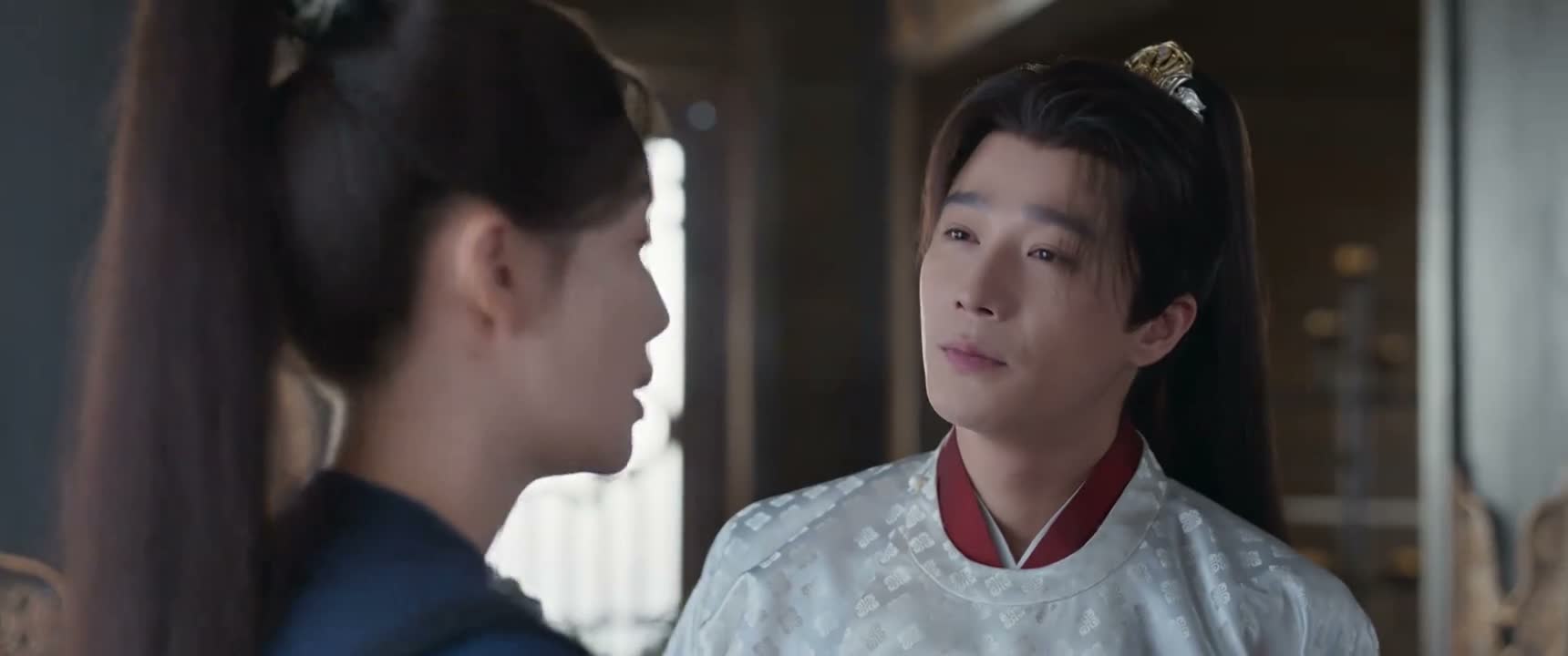
《Light to the Night》 S1·E17 (19:47) HSK 6
jiù zhēn chéng gū jiā guǎ rén le

就真成孤家寡人了

“I would be all alone for real.”

《Light to the Night》 S1·E17
TIMECODE: 19:47 · 1080P MASTER AUDIO

THE DIALOGUE REEL

1+1+1 SPOKEN CONTINUITY
[-1] PREVIOUS TURN wǒ hé yuǎn háng

我何远航

“I would be all alone for real.”

jiù zhēn chéng gū jiā guǎ rén le CURRENT FOCUS

就真成 孤家寡人 了

“I would be all alone for real.”

[+1] FOLLOW-UP TURN xiè xiè

谢谢

“Thank you.”

Subtitles synced to millisecond timecode Browse Show Clips →
Scene: Social & Dating
Function: EXPRESSING GRATITUDE AND SELF DEPRECATION
Tone: SELF_DEPRECATING
Emotion: GRATITUDE
WHAT THEY REALLY MEAN (PRAGMATIC SUBTEXT)
“I really would have been all on my own without you; thank you for standing by me.”
💡 Cultural Insight: gu jia gua ren (isolated individual / lone soul)

Ancient Chinese monarchs referred to themselves with humble titles such as 'gu' or 'gua ren'. In modern Chinese, the expression has evolved into a self-deprecating phrase describing someone who has no friends, family, or supporters nearby, reflecting a subtle, characteristically Chinese sense of humor.

INTENT TAGS: #self-deprecation #gratitude #building rapport
🧩

LEARNING CHUNKS & PARTICLES

1 CHUNKS · 1 PARTICLES
孤家寡人 SPOKEN CHUNK

a person who is isolated, cut off from others, or completely on their own

Derived from the self-referential titles of ancient monarchs, it is commonly used in modern colloquial speech as a humorous, self-deprecating way to describe being all alone or lacking support.

Modal Particle「了」 (le) CHANGE OF STATE

Used at the end of a sentence to mark a change of state or the emergence of a hypothetical outcome, reinforcing an exclamatory and emphatic tone.
🏮

VOCABULARY & EXPRESSIONS

1 EXPR · 0 GRAMMAR
COLLOQUIAL EXPRESSIONS:
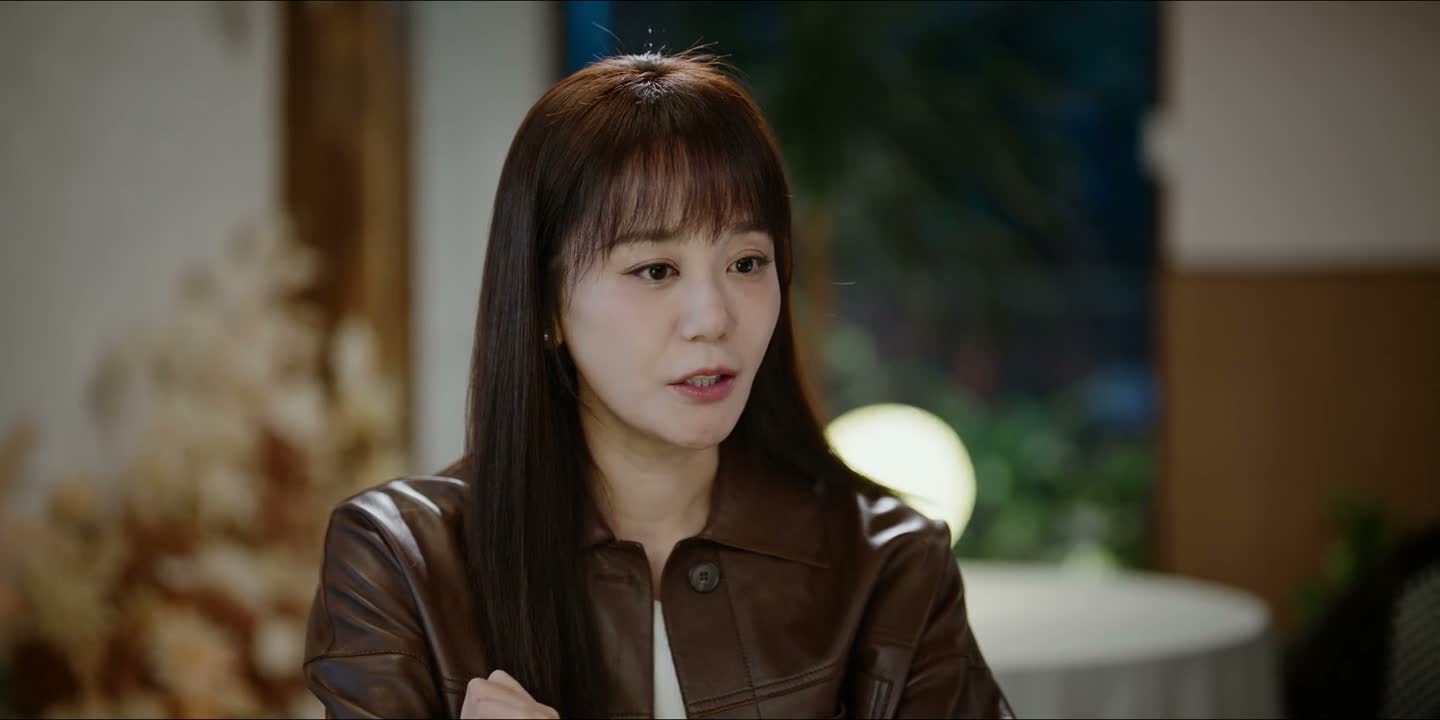
CROSS-CINEMA CORPUS BOARD · PARALLEL SCENES

Parallel Spoken Cinema Scenes (语义近邻切片)

EXPLORE BY SEMANTIC SIMILARITY
《Light to the Night》 S1·E17 (19:47) · Authentic Cinema Dialogue Corpus