MC
MandarinClips Cinema Corpus
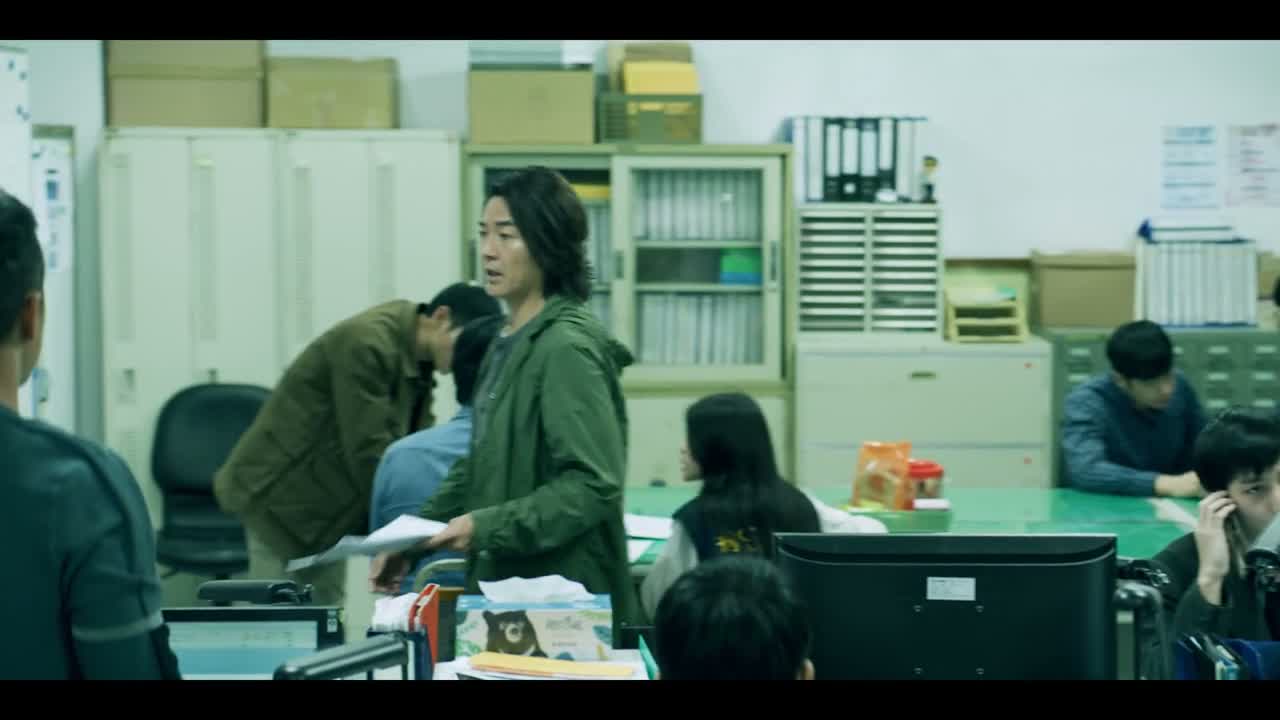
《Light to the Night》 S1·E17 (07:38) HSK 6
nǐ men kě yǐ dào wǒ chē lǐ kàn wǒ de xíng chē jì lù yí ma

你们可以到我车里 看我的行车记录仪嘛

“You can check the dashcam in my car.”

《Light to the Night》 S1·E17
TIMECODE: 07:38 · 1080P MASTER AUDIO

THE DIALOGUE REEL

1+1+1 SPOKEN CONTINUITY
[-1] PREVIOUS TURN wǒ zhēn de méi yǒu lā guò wá wá

“I've never given kids a ride.”

nǐ men kě yǐ dào wǒ chē lǐ kàn wǒ de xíng chē jì lù yí ma CURRENT FOCUS

你们可以 到我车里 看我的行车 记录 仪嘛

“You can check the dashcam in my car.”

[+1] FOLLOW-UP TURN nà nǐ bǎng jià zuò láo shì zěn me huí shì ?

“What's with your criminal record of kidnapping?”

Subtitles synced to millisecond timecode Browse Show Clips →
Scene: Legal & Police
Function: DEFENDING AND PROVING
Tone: DEFENSIVE
Emotion: ANXIETY
WHAT THEY REALLY MEAN (PRAGMATIC SUBTEXT)
“I'm telling the truth! Just check my dashcam footage if you don't believe me!”
💡 Cultural Insight: Dashcams and Proving One's Innocence

In Chinese society, dashcams are widely used and serve as a crucial tool to prevent 'pengci' (staged accident scams), offering the most direct and compelling evidence to clear one's name during police inquiries or public misunderstandings.

INTENT TAGS: #proving innocence #defending oneself #providing evidence #pleading one's case
🧩

LEARNING CHUNKS & PARTICLES

1 CHUNKS · 1 PARTICLES
行车记录仪 SPOKEN CHUNK

dashcam; driving recorder

A very high-frequency term in modern traffic and legal contexts, frequently referenced to clarify accident liability or provide an alibi.

Modal Particle「嘛」 (ma) CHANGE OF STATE

Used at the end of a sentence to emphasize an obvious fact or put forward an assertive suggestion, conveying an aggrieved tone and an eagerness to vindicate oneself.
🏮

VOCABULARY & EXPRESSIONS

2 EXPR · 0 GRAMMAR
CROSS-CINEMA CORPUS BOARD · PARALLEL SCENES

Parallel Spoken Cinema Scenes (语义近邻切片)

EXPLORE BY SEMANTIC SIMILARITY
《Light to the Night》 S1·E17 (07:38) · Authentic Cinema Dialogue Corpus