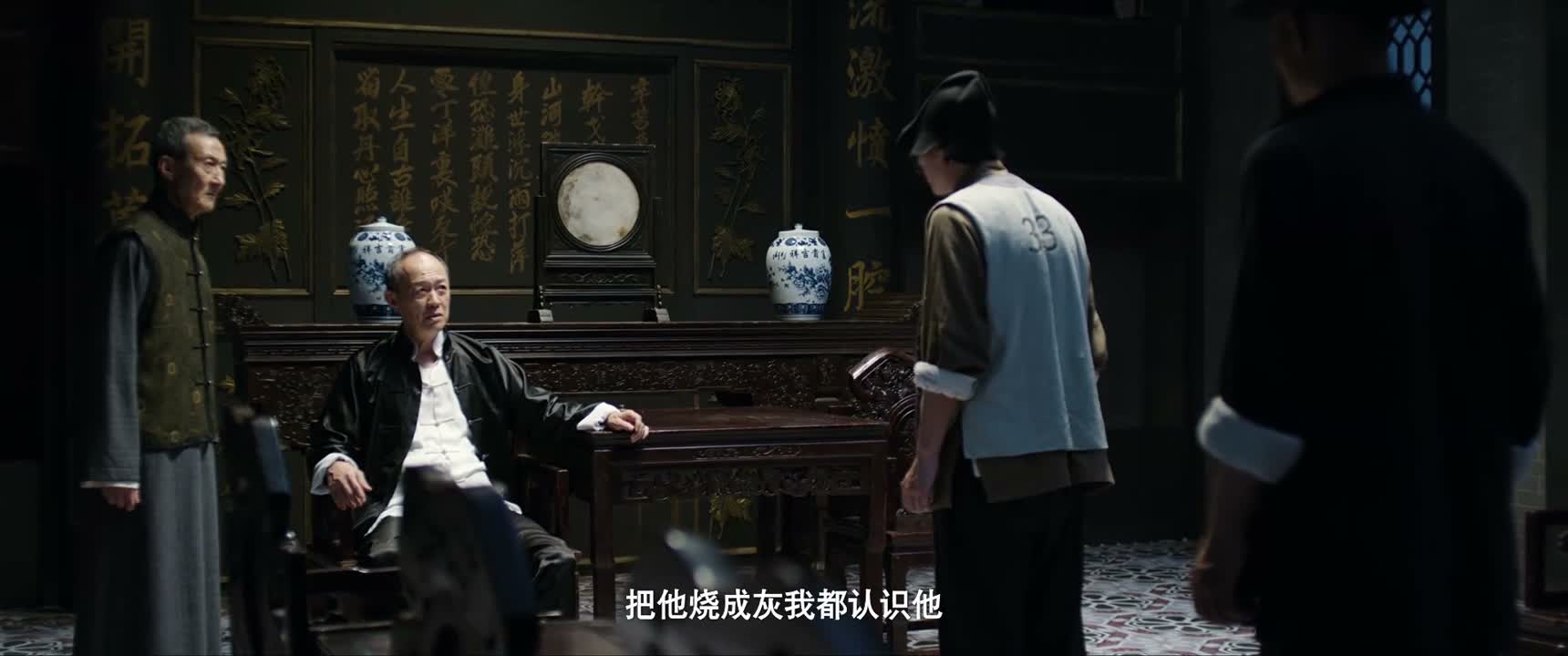
他化成灰我都认得出来
“I can recognize him, even if he has turned into ashes.”
THE DIALOGUE REEL
是他
“That's him.”
他 化成灰我都认得出来
“I can recognize him, even if he has turned into ashes.”
梅叔
“Mei.”
“I would recognize him anywhere, even if he were burned to ashes.”
Originating from imagery of cremation and turning to dust, Chinese culture often invokes complete physical destruction as an extreme hyperbole to express unforgettable familiarity, deep resentment, or intense hatred.
LEARNING CHUNKS & PARTICLES
I would recognize them even if they were burned to ashes; expresses recognizing someone beyond any doubt, often with deep resentment
A highly hyperbolic colloquial expression frequently used in crime dramas, revenge stories, or conflicts to convey absolute certainty in identifying an enemy or suspect.
VOCABULARY & EXPRESSIONS
Parallel Spoken Cinema Scenes (语义近邻切片)

“Even in ashes, we'd recognize her.”
“I'd recognize him even if he were burned to ash.”

“I'd recognize those two even if they were reduced to ashes.”

“I'd recognize my girl even if she had turned into ashes.”

“I'd know you anywhere.”