MC
MandarinClips Cinema Corpus
《About Love》 S1·E25 (07:56) HSK 4
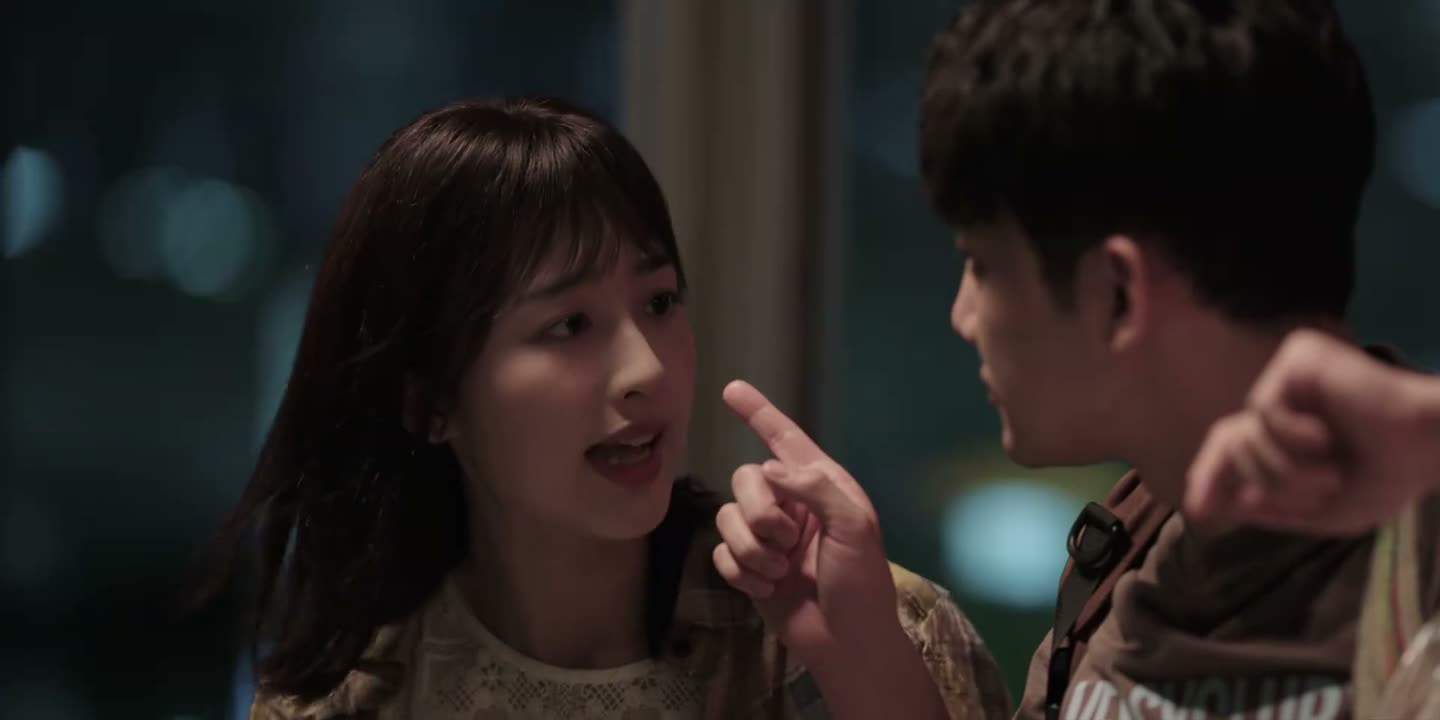
wǒ cóng lái dōu méi yǒu gēn tā zài yì qǐ guò

我从来都没有跟他在一起过

“I was never with him,”

《About Love》 S1·E25
TIMECODE: 07:56 · 1080P MASTER AUDIO

THE DIALOGUE REEL

1+1+1 SPOKEN CONTINUITY
[-1] PREVIOUS TURN rú guǒ wǒ gào sù nǐ

如果我告诉你

“What if I told you”

wǒ cóng lái dōu méi yǒu gēn tā zài yì qǐ guò CURRENT FOCUS

我 从来都没有跟他在一起过

“I was never with him,”

[+1] FOLLOW-UP TURN nǐ huì xiāng xìn ma

你会相信吗

“would you believe me?”

Subtitles synced to millisecond timecode Browse Show Clips →
Scene: Social & Dating
Function: CLARIFYING AND CONFESSING
Tone: SINCERE
Emotion: ANXIETY
WHAT THEY REALLY MEAN (PRAGMATIC SUBTEXT)
“I hope you don't judge me based on past rumors, because the truth is we were never a couple.”
💡 Cultural Insight: zai yi qi (being together)

In contemporary Chinese dating culture, 'zai yi qi' (being together) specifically refers to entering an official romantic relationship or cohabiting, rather than simply spending time together in the same physical space. This euphemistic phrasing reflects the understated nature of Chinese romantic discourse.

INTENT TAGS: #clarifying misunderstandings #probing feelings #seeking trust #confessing true feelings
🧩

LEARNING CHUNKS & PARTICLES

2 CHUNKS · 0 PARTICLES
从来都(不/没) SPOKEN CHUNK

never; have never (from the past up to the present)

A highly frequent colloquial emphatic pattern where 'dou' reinforces the negation, often used to clear up misunderstandings or firmly state a stance.

跟……在一起 SPOKEN CHUNK

to be in a romantic relationship with someone; to date someone

A common euphemistic phrasing in modern Chinese romantic dialogue, often used instead of the more explicit 'tan lian ai' (to date).
🏮

VOCABULARY & EXPRESSIONS

1 EXPR · 1 GRAMMAR
COLLOQUIAL EXPRESSIONS:
GRAMMAR BLUEPRINTS:
CROSS-CINEMA CORPUS BOARD · PARALLEL SCENES

Parallel Spoken Cinema Scenes (语义近邻切片)

EXPLORE BY SEMANTIC SIMILARITY
《About Love》 S1·E25 (07:56) · Authentic Cinema Dialogue Corpus