你别不识抬举啊
“Don't be ungrateful.”
THE DIALOGUE REEL
我呀 是看你可怜 好心好意收养你
“I took pity on you and kindly adopted you.”
你别 不识抬举 啊
“Don't be ungrateful.”
你等着
“Just wait till the police arrest you.”
“Don't push your luck. You better know your place, or you'll regret it.”
In interpersonal interactions, it refers to a person of higher status or power showing appreciation, patronage, or favor to an inferior. The phrase 'bu shi taiju' (failing to appreciate favors) reflects the hierarchical power control and moral expectation of gratitude imposed by superiors in traditional Chinese social dynamics.
LEARNING CHUNKS & PARTICLES
To fail to appreciate kindness, favors, or high regard; to not know what is good for oneself.
A derogatory idiom commonly used during arguments or reprimands to scold someone, often preceded by 'bie' (don't) or 'tai' (too), as in 'bie bu shi taiju' (don't push your luck / don't be ungrateful).
Used at the end of a sentence to intensify a tone of warning, reprimand, and intimidation.
VOCABULARY & EXPRESSIONS
Parallel Spoken Cinema Scenes (语义近邻切片)
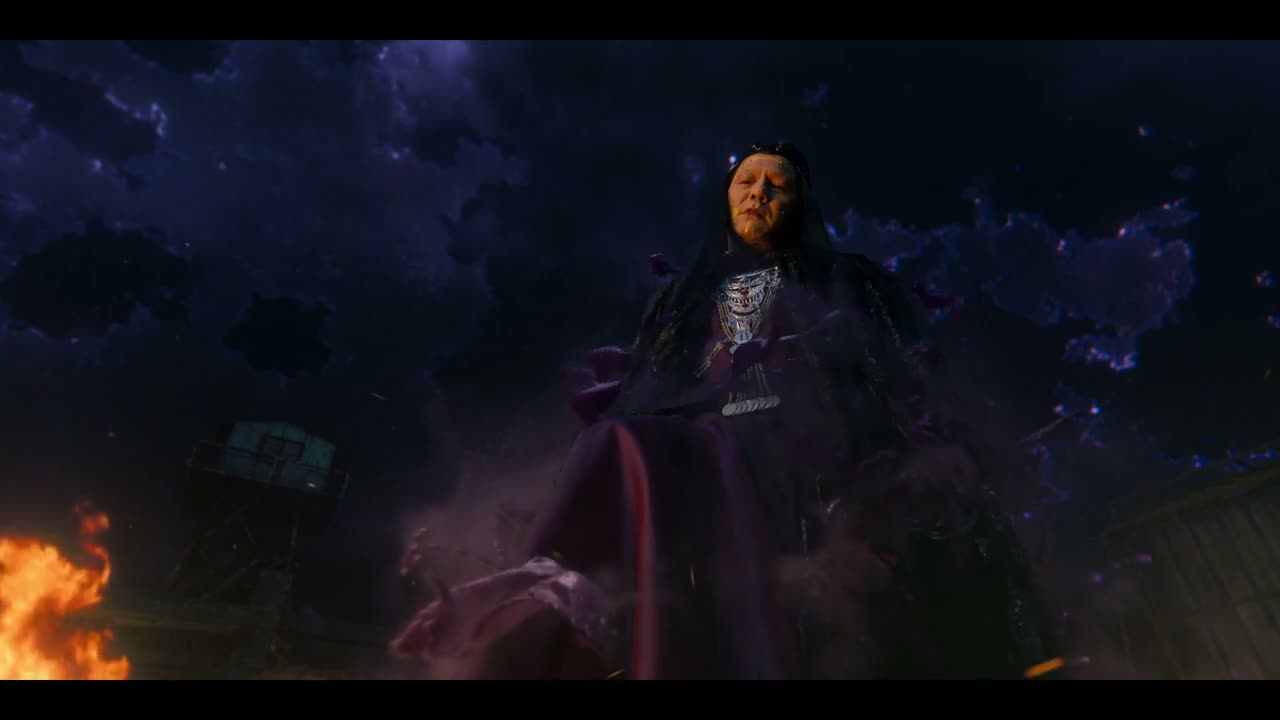
“You don't know what you're missing out on.”
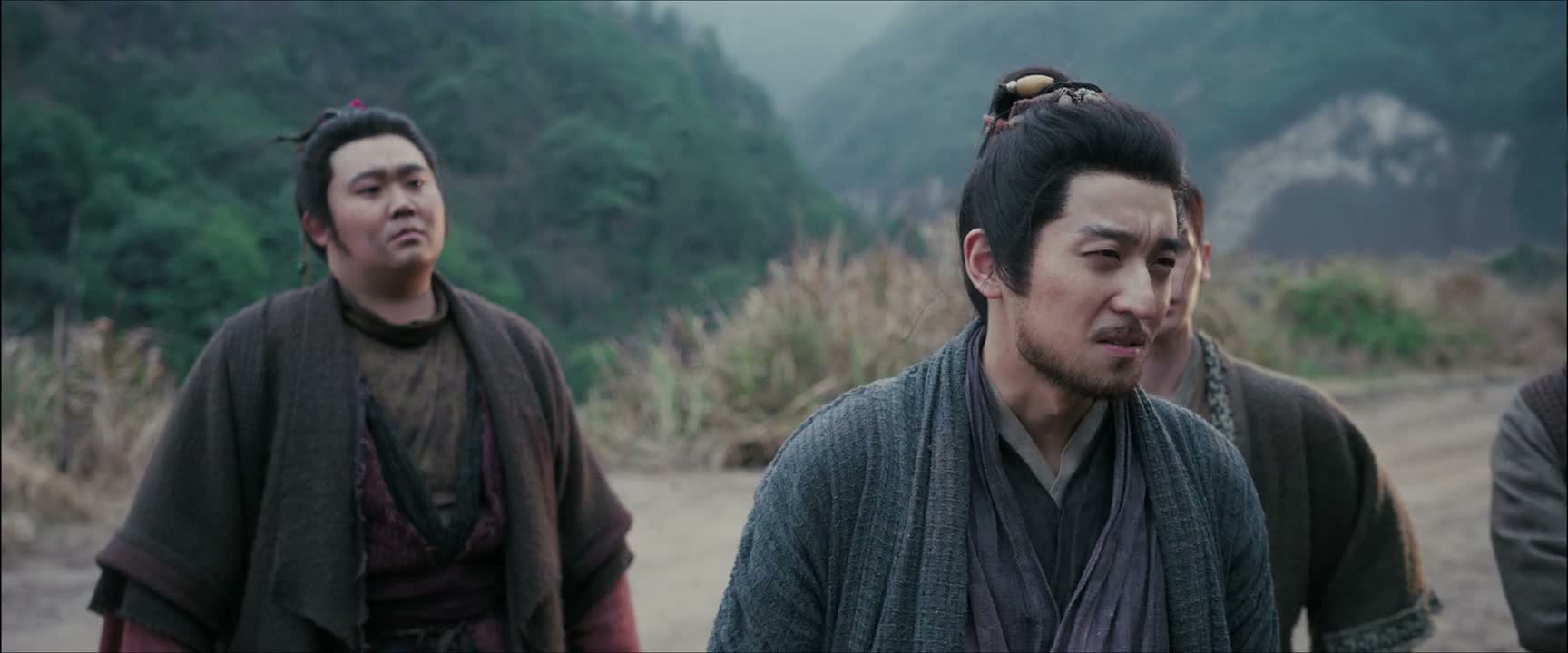
“Don't be ungrateful.”

“Don't push your luck!”

“Don't be ungrateful.”

“Don't be so ungrateful. Look at your classmates.”