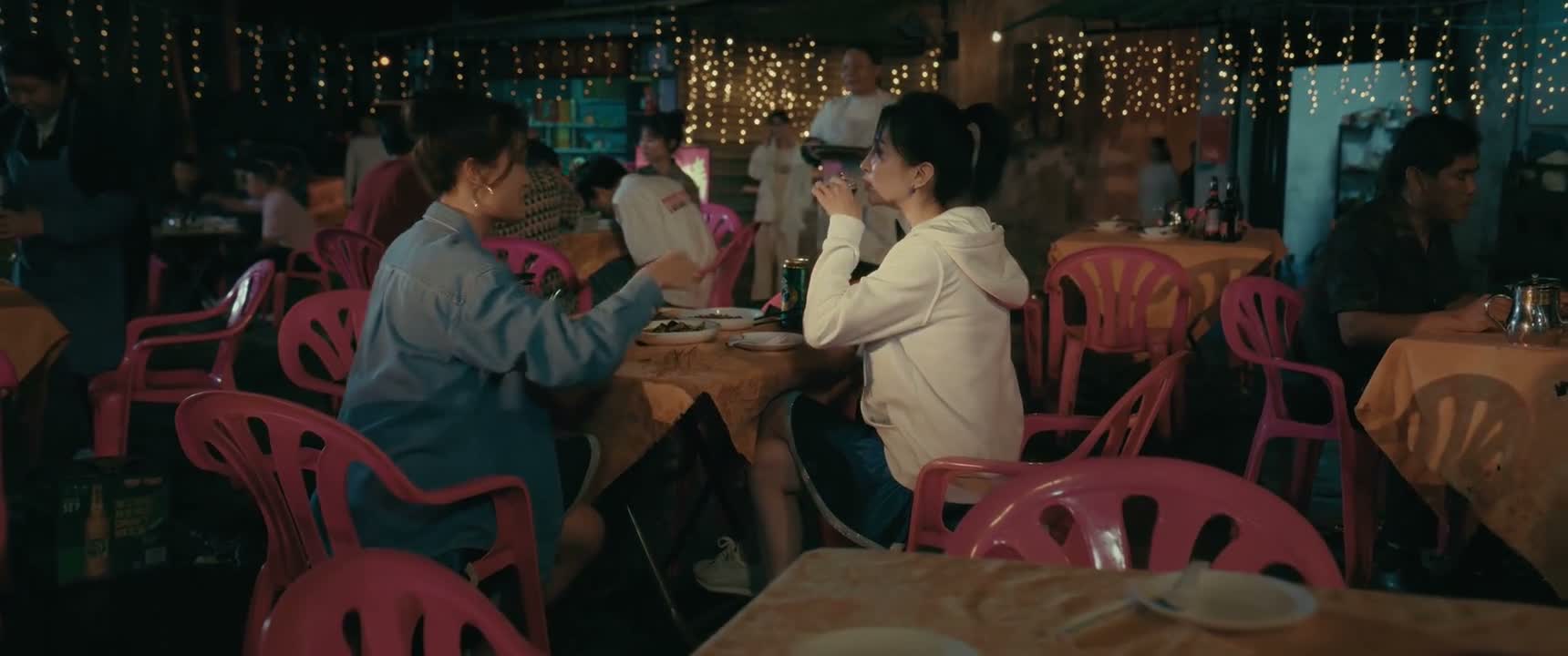
翘了辫子之后 这油坊就倒闭了呀
“It was shut down after he died.”
THE DIALOGUE REEL
他那油厂现在还开吗
“Is that oil mill still running?”
翘了辫子 之后 这油坊就 倒闭了 呀
“It was shut down after he died.”
死了 早死了 早年横穿高速公路被撞了
“He died? He died long ago. He got hit crossing the highway years ago.”
Direct spoken expression in this communicative setting.
Originating from the Qing Dynasty when men wore their hair in queues (braids), this phrase comes from the way a braid would stick up when a deceased person lay on their back. It evolved into a colloquial idiom meaning 'to die'. Due to its casual, irreverent, and flippant tone, it should be used with caution depending on the context.
LEARNING CHUNKS & PARTICLES
to kick the bucket; to die (slang/colloquial expression with a humorous, flippant, or slightly irreverent tone)
A common colloquial idiom typically used in the third person. It must never be used to refer to elders, loved ones, or during formal mourning occasions.
to go bankrupt; to close down (of a business or company)
A commonly used verb indicating that a commercial entity has ceased operations due to insolvency or failure.
Placed at the end of a sentence to convey an informative, matter-of-fact explanation while softening the tone.