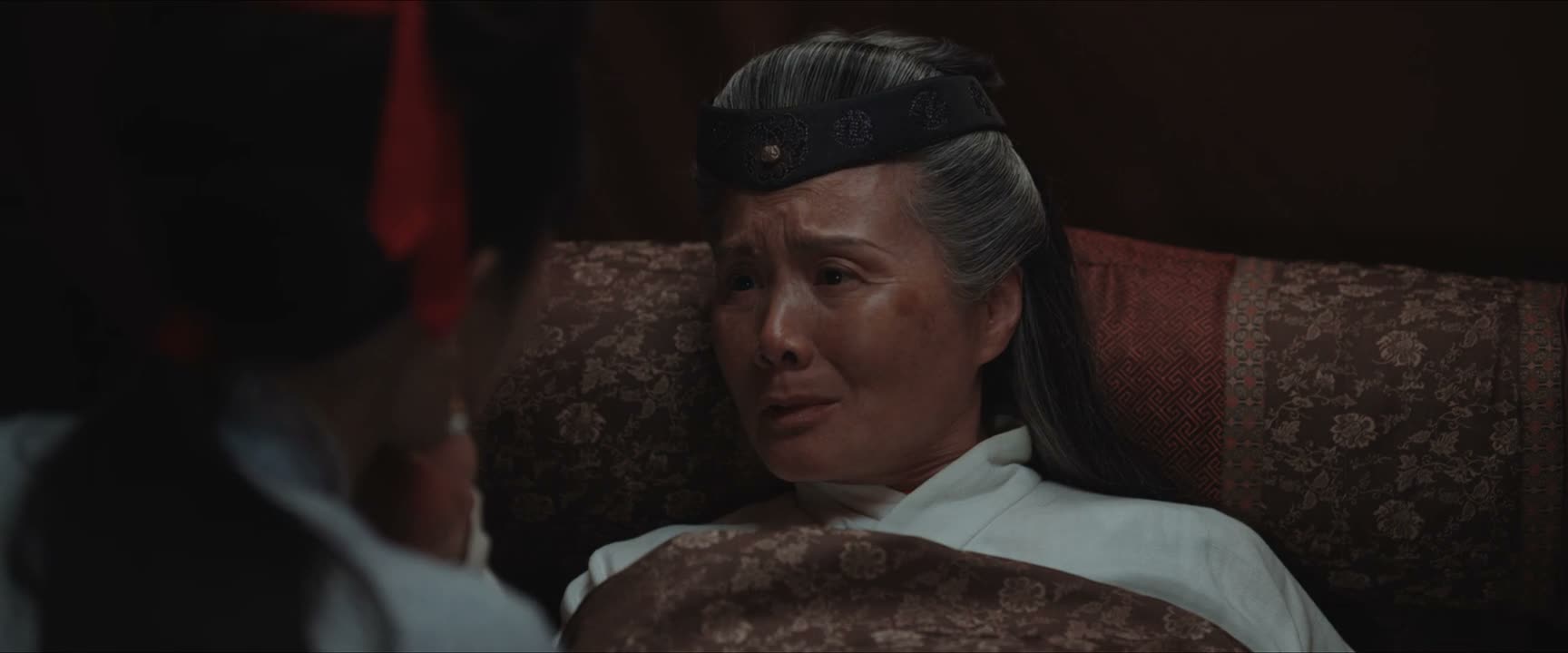
《Road to Success》 S1·E32 (08:23)
HSK 1
tā men zhēn de zhǎng dà le
他们真的长大了
“They've really grown up.”
《Road to Success》
S1·E32
TIMECODE: 08:23
·
1080P MASTER AUDIO
THE DIALOGUE REEL
[-1] PREVIOUS TURN
wǒ yě shì
我也是
“Me too.”
tā men zhēn de zhǎng dà le
CURRENT FOCUS
他们 真的长大了
“They've really grown up.”
[+1] FOLLOW-UP TURN
nà wǒ men
那我们
“Then I'll...”
Subtitles synced to millisecond timecode
Browse Show Clips →
Scene:
Family & Home
Function:
EXPRESSING SENTIMENTAL REFLECTION
Tone:
MELANCHOLIC
Emotion:
SENTIMENTAL
WHAT THEY REALLY MEAN (PRAGMATIC SUBTEXT)
“They’ve really grown up, which means we’re getting old.”
💡 Cultural Insight: Children Growing Up and Parents Aging
In Chinese family culture, parents seeing their children 'grow up' is often accompanied by the poignant realization that 'we have grown old', carrying deep connotations of life cycles and the transfer of generational responsibility.
INTENT TAGS:
#lamenting time
#children growing up
#growing old
🧩
1 CHUNKS · 1 PARTICLES
LEARNING CHUNKS & PARTICLES
长大了
SPOKEN CHUNK
grown up; matured physically or emotionally
In spoken language, it is often paired with adverbs like 'zhen de' (really) or 'que shi' (indeed) to describe both physical growth and emotional maturity.
Modal Particle「了」 (le)
CHANGE OF STATE
Functions as a sentence-final particle indicating a change of state, highlighting the completed transition from childhood to growing up.
🏮
1 EXPR · 0 GRAMMAR
VOCABULARY & EXPRESSIONS
COLLOQUIAL EXPRESSIONS:
CROSS-CINEMA CORPUS BOARD · PARALLEL SCENES
EXPLORE BY SEMANTIC SIMILARITY
Parallel Spoken Cinema Scenes (语义近邻切片)
《Road to Success》 S1·E32 (08:23) · Authentic Cinema Dialogue Corpus