MC
MandarinClips Cinema Corpus
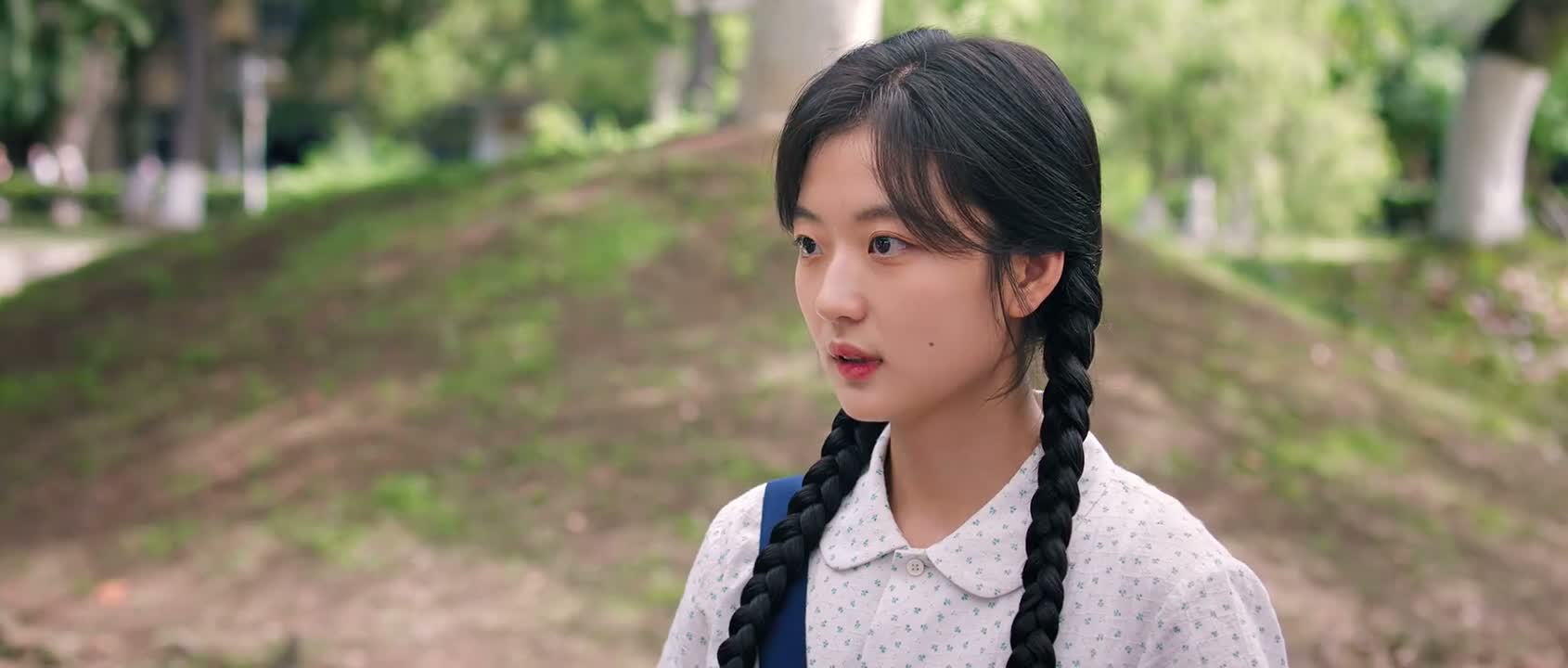
《The First Jasmine》 S1·E40 (40:25) HSK 5
ā lí ya wǒ men liáo wǒ men liáo

阿璃呀 我们聊 我们聊

“Li. Let's talk over there.”

《The First Jasmine》 S1·E40
TIMECODE: 40:25 · 1080P MASTER AUDIO

THE DIALOGUE REEL

1+1+1 SPOKEN CONTINUITY
[-1] PREVIOUS TURN wǒ zǎo jiù shuō le ā lí cuò bù liǎo bù kuì shì wǒ men lí shān de rén

我早就说了 阿璃错不了 不愧是我们离山的人

“I always said, Li is remarkable. She's truly one of us from Lishan.”

ā lí ya wǒ men liáo wǒ men liáo CURRENT FOCUS

阿璃呀 我们聊 我们聊

“Li. Let's talk over there.”

[+1] FOLLOW-UP TURN xīn kǔ nǐ le

辛苦你了

“Thanks for your hard work.”

Subtitles synced to millisecond timecode Browse Show Clips →
Scene: Historical & Court
Function: INVITING AND INITIATING CONVERSATION
Tone: ENTHUSIASTIC
Emotion: JOY
WHAT THEY REALLY MEAN (PRAGMATIC SUBTEXT)
“Come on, A-Li, let's the two of us have a good chat.”
💡 Cultural Insight: Repetition in Greetings and Building Rapport

In social interactions, repeating short phrases (such as 'lai lai lai' or 'wo men liao wo men liao') combined with an affectionate form of address is a typical Chinese colloquial habit to show warmth, close the distance, or steer the situation.

INTENT TAGS: #building rapport #initiating conversation #smoothing things over
🧩

LEARNING CHUNKS & PARTICLES

1 CHUNKS · 1 PARTICLES
我们聊 SPOKEN CHUNK

let's chat / let's talk

In spoken Chinese, repeating verbs or short phrases (like 'wo men liao, wo men liao') is often used to greet someone warmly, lighten the mood, or smooth things over, conveying an eager and friendly desire to converse.

Modal Particle「呀」 (ya) CHANGE OF STATE

Used after a form of address to bridge distance and create a warm, friendly call.

🏮

VOCABULARY & EXPRESSIONS

1 EXPR · 0 GRAMMAR
COLLOQUIAL EXPRESSIONS:
CROSS-CINEMA CORPUS BOARD · PARALLEL SCENES

Parallel Spoken Cinema Scenes (语义近邻切片)

EXPLORE BY SEMANTIC SIMILARITY
《The First Jasmine》 S1·E40 (40:25) · Authentic Cinema Dialogue Corpus