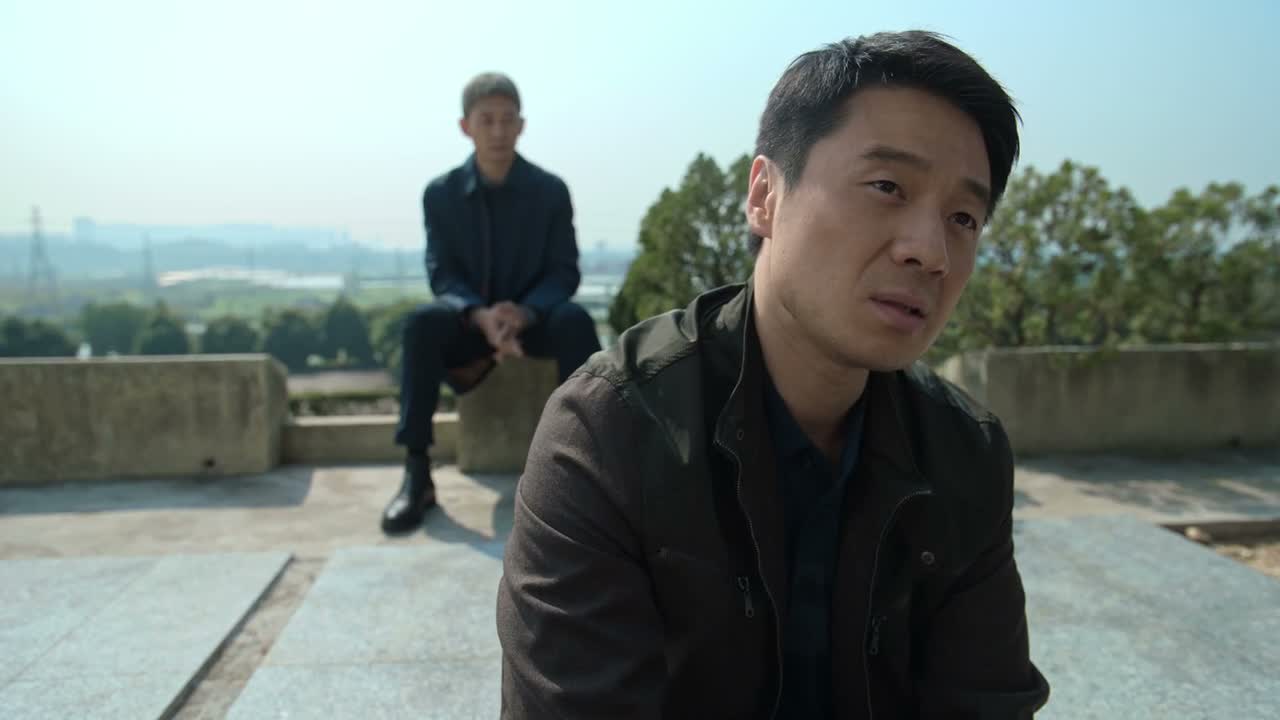
这得罪人的事都让我干了
“I always have to play the bad guy.”
THE DIALOGUE REEL
“Bye. So full of yourself. Old fox.”
这 得罪人的事 都让 我干了
“I always have to play the bad guy.”
“Only two meals? The food budget won't last the month?”
“You played it safe and left all the dirty work that pisses people off to me.”
In Chinese workplace and interpersonal culture, harmony is highly valued ('he wei gui'), so no one wants to step forward to curtail benefits or announce unpopular rules (such as cutting meal perks). The person tasked with enforcing harsh policies often becomes the target of collective resentment, effectively 'offending people' ('de zui ren') and 'playing the bad cop' ('chang hei lian').
LEARNING CHUNKS & PARTICLES
to offend people; to incur resentment or displease others
A very high-frequency colloquial phrase often used as a modifier for words like 'task' or 'errand' (e.g., 'de zui ren de huo er'), referring to a thankless chore bound to draw resentment.
dumped it all on me to do
Used colloquially to complain about an unfair division of labor or being saddled with the toughest responsibilities, carrying a strong tone of grievance and resentment.
Sentence-final particle indicating an accomplished fact or current state of affairs, reinforcing a tone of grievance, helplessness, and complaint.