MC
MandarinClips Cinema Corpus
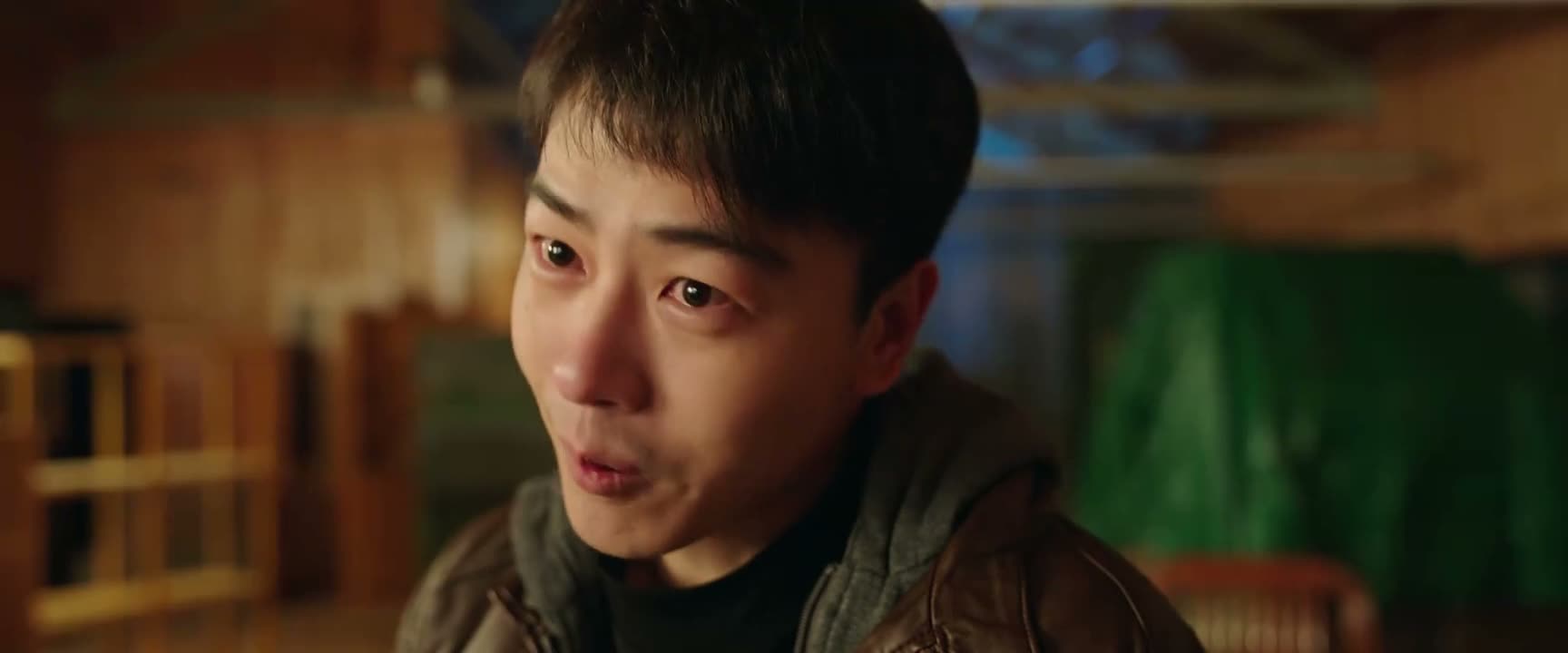
《Born with Luck》 S1·E4 (32:19) HSK 2
wǒ zěn me huì gàn chū nà zhǒng shì a

我怎么会干出那种事啊

“How could I do something like that?”

《Born with Luck》 S1·E4
TIMECODE: 32:19 · 1080P MASTER AUDIO

THE DIALOGUE REEL

1+1+1 SPOKEN CONTINUITY
[-1] PREVIOUS TURN nà yè jiàn yě shì wǒ xiōng dì a

“Ye Jian was my bro too.”

wǒ zěn me huì gàn chū nà zhǒng shì a CURRENT FOCUS

我 怎么会 干出那种事啊

“How could I do something like that?”

[+1] FOLLOW-UP TURN róng gē

荣哥

“Mr. Rong.”

Subtitles synced to millisecond timecode Browse Show Clips →
Scene: Crisis & Conflict
Function: DENYING ALLEGATION
Tone: DEFENSIVE
Emotion: ANXIETY
WHAT THEY REALLY MEAN (PRAGMATIC SUBTEXT)
“How could you suspect me? I would never betray my own brother!”
💡 Cultural Insight: Brotherhood and loyalty (xiongdi / jiang yiqi)

In Chinese social circles and 'jianghu' culture, 'brotherhood' denotes the highest standard of moral loyalty. Harming or betraying a 'brother' is regarded as an egregious moral failing; thus, invoking brotherhood serves as the speaker's strongest defense to assert innocence.

INTENT TAGS: #proving innocence #vehement denial #clearing suspicion
🧩

LEARNING CHUNKS & PARTICLES

2 CHUNKS · 1 PARTICLES
干出那种事 SPOKEN CHUNK

to do that kind of thing; to commit an immoral or shameful act

A common colloquial expression with strong negative moral judgment, frequently used in rhetorical questions or rebukes.

怎么会……啊 SPOKEN CHUNK

how could...; there's no way that...

A high-frequency rhetorical pattern used to vehemently deny someone's accusations or suspicions, conveying an agitated tone.

Modal Particle「啊」 (a) CHANGE OF STATE

Placed at the end of a sentence to intensify the rhetorical question and defensive tone, expressing urgency, grievance, or self-justification.

🏮

VOCABULARY & EXPRESSIONS

1 EXPR · 0 GRAMMAR
COLLOQUIAL EXPRESSIONS:
CROSS-CINEMA CORPUS BOARD · PARALLEL SCENES

Parallel Spoken Cinema Scenes (语义近邻切片)

EXPLORE BY SEMANTIC SIMILARITY
《Born with Luck》 S1·E4 (32:19) · Authentic Cinema Dialogue Corpus