上辈子我欠他的
“I must have owed him in a previous life!”
THE DIALOGUE REEL
烦死了
“Damn it!”
上辈子我欠他的
“I must have owed him in a previous life!”
打麻将打麻将
“Playing mahjong!”
“I must owe him big time from a past life to put up with all this.”
Influenced by Buddhist karmic reincarnation and folk fatalistic beliefs, Chinese people often jokingly refer to the exhaustion, worries, or endured troubles in close relationships as 'repaying a debt from a past life,' using it as a psychological coping mechanism and an emotional vent.
LEARNING CHUNKS & PARTICLES
To owe someone from a past life; used to describe endlessly sacrificing and enduring hardships for someone while feeling completely helpless about it.
A very high-frequency colloquial exaggeration, mostly used to vent or complain in family or intimate relationships, often followed by resignation to the situation.
VOCABULARY & EXPRESSIONS
Parallel Spoken Cinema Scenes (语义近邻切片)

“I've owed him since the day I was born.”
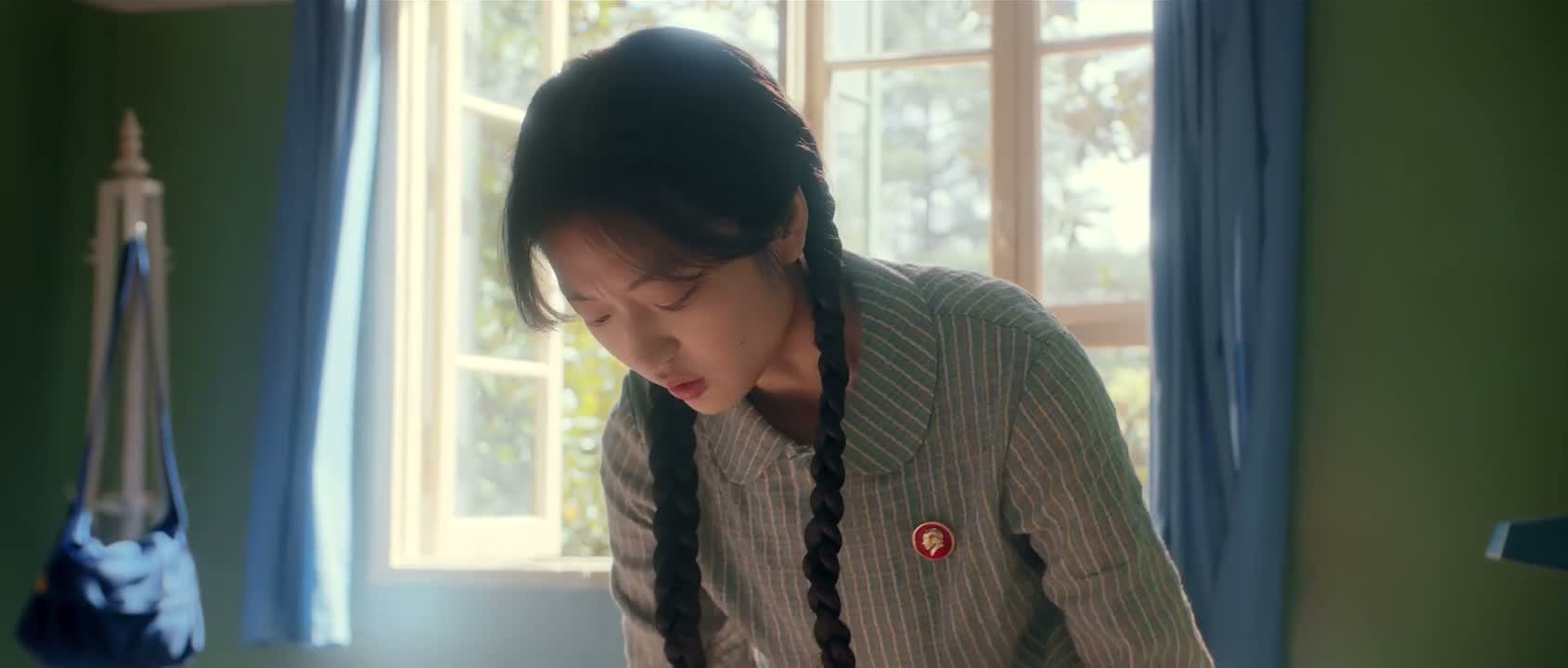
“I really owe you in my previous life.”
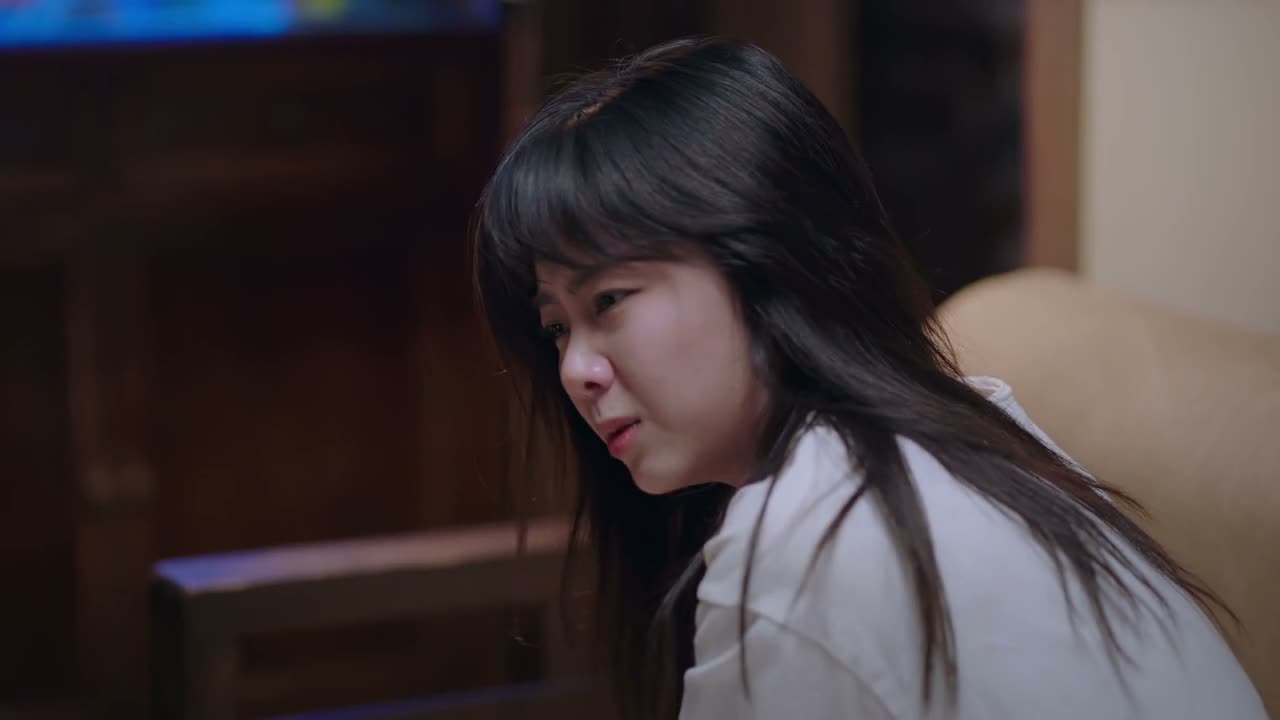
“I must have owed you anything in my previous life.”